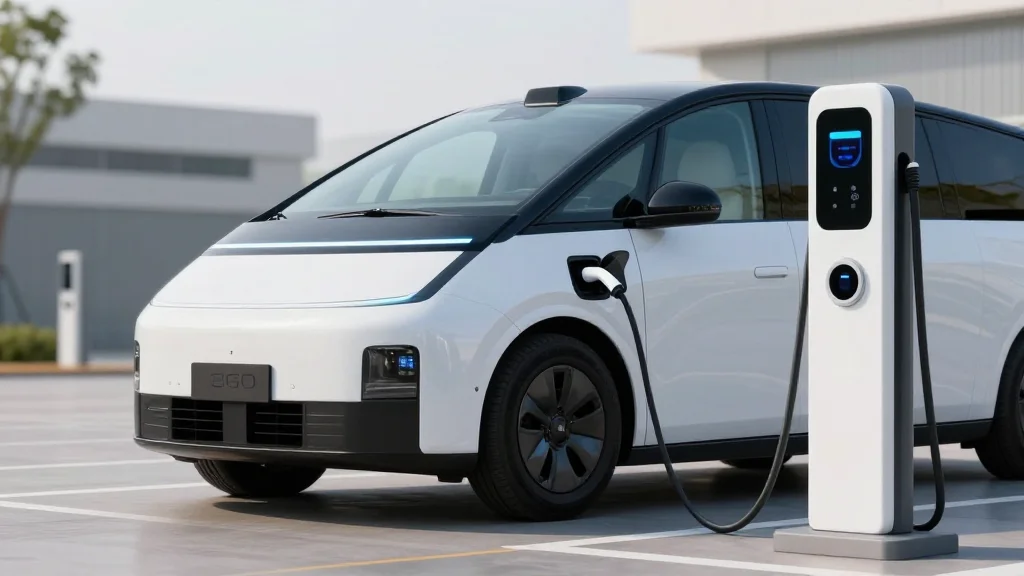
The Commercial Vehicle Show 2026: Electrification and Decarbonization Accelerate in the UK CV Industry
Companies Mentioned
Why It Matters
Accelerated electrification and supportive policy are reshaping the UK commercial‑vehicle market, creating growth opportunities for manufacturers and fleet operators while advancing national decarbonisation targets.
Key Takeaways
- •Renault Kangoo E-Tech offers 220‑mile range, 4‑hour home charge.
- •Chery launches DELIVAN, targeting European midsize electric van market.
- •UK government grants depot chargers, boosting zero‑emission van adoption.
- •Hydrogen network plans aim to support fuel‑cell trucks and buses.
- •Charging infrastructure and payload loss remain key hurdles for electric HGVs.
Pulse Analysis
The UK commercial‑vehicle sector is moving beyond early‑stage pilots, with electrified models now meeting realistic range and charging expectations. Analysts note that the 220‑mile capability of the Renault Kangoo E‑Tech and comparable advances in heavy‑goods trucks are narrowing the performance gap with diesel equivalents, making electric options viable for everyday logistics. This technical maturity aligns with Europe’s tightening CO₂ standards, prompting manufacturers to prioritize battery efficiency and rapid‑charge solutions as core competitive differentiators.
Competitive pressure is intensifying as new players like Chery introduce DELIVAN, a purpose‑built electric van aimed at high‑frequency urban deliveries. By branding the vehicle around “delivery” and “van,” Chery signals a strategic focus on the lucrative midsize panel van segment, traditionally dominated by domestic OEMs. The influx of digitally enabled platforms and telematics further differentiates offerings, pushing legacy manufacturers to accelerate model rollouts and integrate data‑driven services to retain fleet customers.
Despite progress, the transition faces infrastructure and cost challenges. Limited public charging for heavy‑goods vehicles and payload penalties from heavy battery packs constrain adoption rates. The UK government’s recent depot‑charging grant scheme and its roadmap for a national hydrogen network aim to mitigate these obstacles, offering fleet operators financial incentives and alternative zero‑emission fuels. As grid capacity expands and total cost of ownership narrows, the commercial‑vehicle market is poised for a decisive shift toward electric and fuel‑cell technologies, reinforcing the sector’s role in meeting the UK’s net‑zero ambitions.
The Commercial Vehicle Show 2026: Electrification and decarbonization accelerate in the UK CV industry
Comments
Want to join the conversation?
Loading comments...