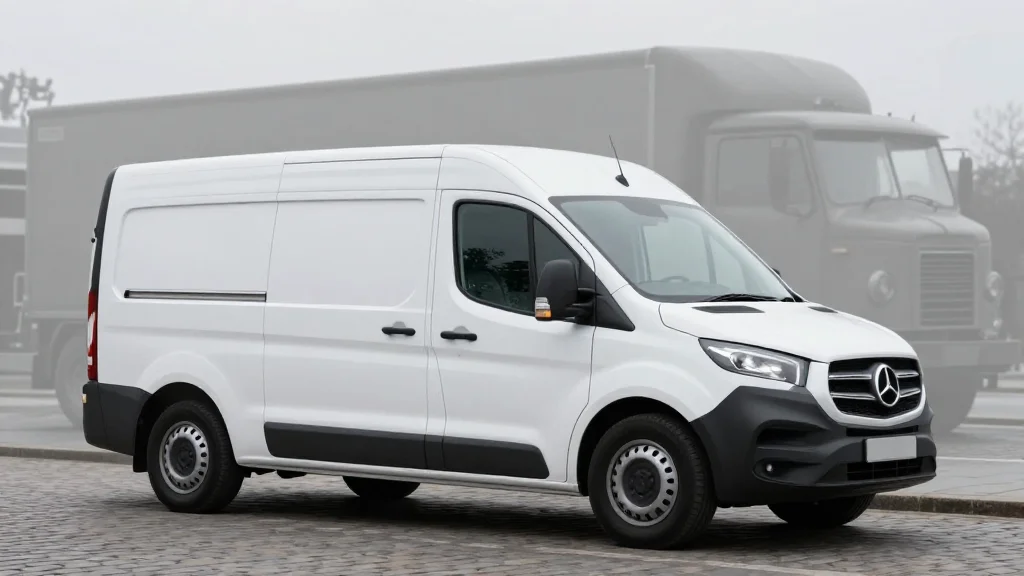
The Electric Van that Offers “Nostalgia Mode,” Including Diesel Smells and Noise
Why It Matters
By blending sensory cues of diesel vehicles with electric efficiency, Farizon hopes to ease driver transition and differentiate its van in a competitive e‑LCV market. The move signals a broader trend toward experiential customization in commercial EVs, potentially influencing adoption rates among reluctant fleets.
Key Takeaways
- •Farizon adds “Nostalgia Mode” to electric SV van
- •Feature emits diesel scent, engine noise, and vibration
- •Throttle mapping slows acceleration for diesel‑like feel
- •Targets UK tradespeople accustomed to diesel vans
- •Novelty may boost adoption but risks brand perception
Pulse Analysis
The European light‑commercial‑vehicle market is witnessing rapid electrification, with sales of electric vans projected to exceed 500,000 units in 2026. Farizon’s SV model, boasting 170 kW power and 336 Nm torque, already competes on range and payload. Introducing "Nostalgia Mode" adds a sensory layer rarely seen in commercial fleets, turning the cabin into a curated experience that releases a diesel‑scented fragrance, simulates engine rumble through speakers, and vibrates the seats. This approach attempts to address the psychological gap many drivers feel when swapping familiar diesel cues for silent electric propulsion.
Driver habituation to diesel’s auditory and olfactory feedback is a well‑documented barrier to EV adoption in the logistics sector. By deliberately recreating those cues, Farizon hopes to reduce perceived performance loss and improve driver comfort during the transition period. The mode’s throttle remapping also tempers the instant torque of electric motors, offering a more gradual acceleration profile that mirrors traditional diesel behavior. While the gimmick may attract nostalgia‑driven operators, it risks being dismissed as a novelty if it does not deliver tangible operational benefits such as reduced fatigue or safety improvements.
From an industry perspective, Farizon’s experiment could spark a wave of sensory customization across commercial EVs, prompting manufacturers to explore scent diffusion, artificial engine sounds, and haptic feedback as standard options. Regulators, however, may scrutinize added emissions‑free scent dispensers for potential allergens or driver distraction. If successful, the feature could become a differentiator that accelerates fleet turnover, but missteps might tarnish brand credibility and underscore the fine line between innovative user experience and unnecessary gimmickry.
The electric van that offers “nostalgia mode,” including diesel smells and noise
Comments
Want to join the conversation?
Loading comments...