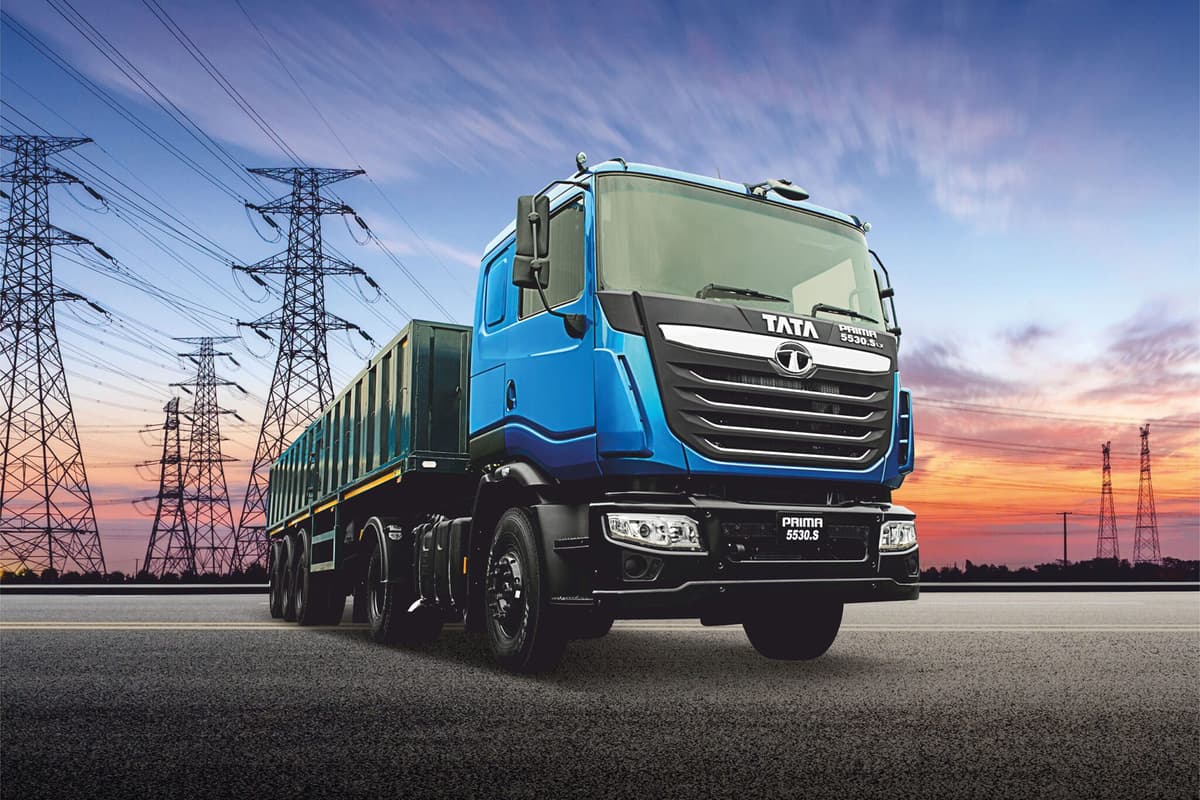
TML & Iveco Profile and Production Forecast to 2030
Companies Mentioned
Why It Matters
The projections signal how two major global manufacturers will allocate capital toward EV and clean‑fuel platforms, shaping supply chains and competitive dynamics in the automotive sector. Investors and suppliers can gauge long‑term demand trends and align strategies accordingly.
Key Takeaways
- •Tata Motors targets 2 million units annually by 2030, half electric
- •Iveco forecasts 15% growth in European commercial‑vehicle sales
- •Both firms plan new battery‑assembly lines in India and Italy
- •Capacity upgrades align with stricter CO₂ emission regulations
Pulse Analysis
Automotive World’s 2026 production outlook underscores a pivotal shift toward electrification for Tata Motors and Iveco. Tata’s roadmap aims to double its total output, with a clear ambition to produce at least one‑million electric vehicles per year by the end of the decade. This aggressive target leverages the company’s expanding footprint in India’s burgeoning EV market, supported by government incentives and a growing charging infrastructure. The forecast also highlights Tata’s strategic investments in new assembly lines and joint‑venture battery plants, positioning it to meet both domestic demand and export opportunities.
Iveco’s forecast, while more conservative in volume, reflects a strategic pivot to clean‑fuel commercial vehicles across Europe and North America. The analysis projects a 15% rise in sales of electric and hydrogen‑powered trucks, driven by tightening EU emissions standards and corporate sustainability mandates. Iveco’s planned upgrades to its existing factories, coupled with the rollout of a dedicated battery‑pack production hub in Italy, aim to reduce lead times and lower costs, enhancing its competitiveness against rivals such as Daimler and Volvo.
For stakeholders, these forecasts provide a roadmap of where capital, talent, and supply‑chain resources will flow over the next seven years. The data suggests that suppliers focused on battery components, lightweight materials, and advanced power‑train software stand to benefit from increased order volumes. Meanwhile, investors can assess the risk‑adjusted returns of companies that are successfully transitioning to low‑emission platforms, as regulatory pressure and consumer preferences continue to accelerate the automotive industry's evolution.
TML & Iveco profile and production forecast to 2030
Comments
Want to join the conversation?
Loading comments...