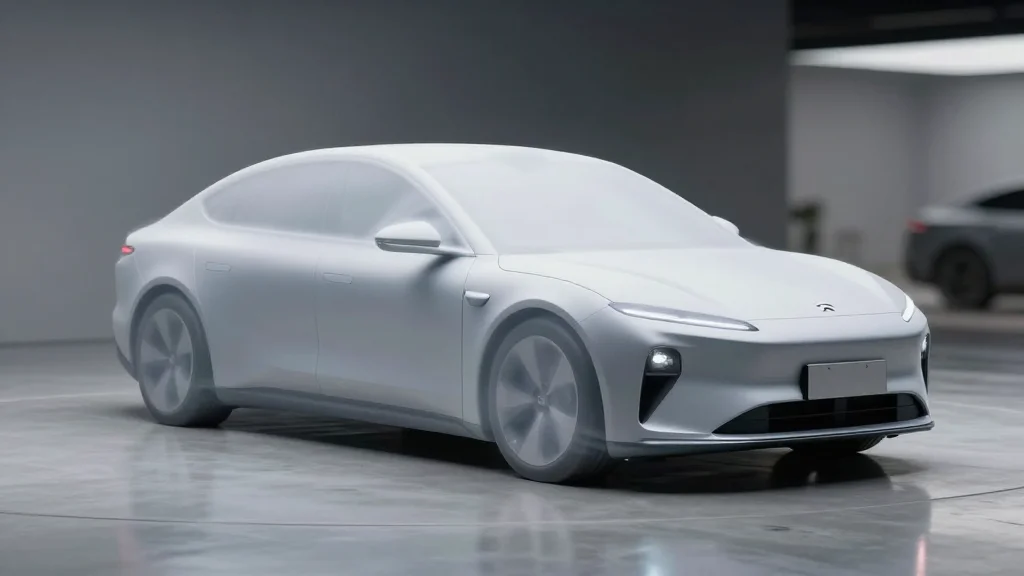
Toyota Halts Lexus EV Plans Under Broader Investment Review
Companies Mentioned
Why It Matters
The pause signals that even premium brands are re‑evaluating EV rollouts, potentially slowing overall market growth and reshaping competitive dynamics.
Key Takeaways
- •Toyota stops Lexus EV development due to weak demand
- •U.S. subsidy removal accelerates Toyota's project review
- •LF‑ZC tech to be reused in other Toyota models
- •2026 EV sales target of 1.5 million under scrutiny
- •Industry trend: automakers recalibrating electrification strategies
Pulse Analysis
Toyota's decision to halt the LF‑ZC, its next‑generation electric Lexus, underscores a broader slowdown in electric‑vehicle demand that has taken hold across major markets. In the United States, the phase‑out of federal tax credits and state incentives removed a key price lever that had previously accelerated adoption. Coupled with softer sales forecasts, the automaker launched a comprehensive review of new projects, including its ambitious goal to sell 1.5 million EVs by 2026. The move reflects a pragmatic shift from growth‑first to profitability‑first thinking.
The LF‑ZC was slated to showcase gigacasting, higher‑energy‑density batteries and ultra‑fast charging—features that could have differentiated Lexus in the premium segment. By shelving the model, Toyota will migrate those components into its broader lineup, preserving R&D spend while avoiding a costly launch in a market with uncertain returns. CEO Kenta Kon has repeatedly emphasized margin improvement, and the Lexus pause aligns with that directive, allowing the company to allocate capital toward higher‑margin hybrids and internal‑combustion updates that still dominate its global sales.
Toyota's recalibration mirrors actions by other OEMs, from General Motors scaling back flagship EVs to Volkswagen tightening its electrification rollout after subsidy reductions in Europe. Investors are watching how these adjustments affect long‑term market share, especially as battery costs decline but demand elasticity remains high. While the short‑term effect may be a dip in EV pipeline announcements, the strategic redeployment of technology could accelerate cost efficiencies, ultimately shaping a more sustainable growth curve for the industry.
Toyota Halts Lexus EV Plans Under Broader Investment Review
Comments
Want to join the conversation?
Loading comments...