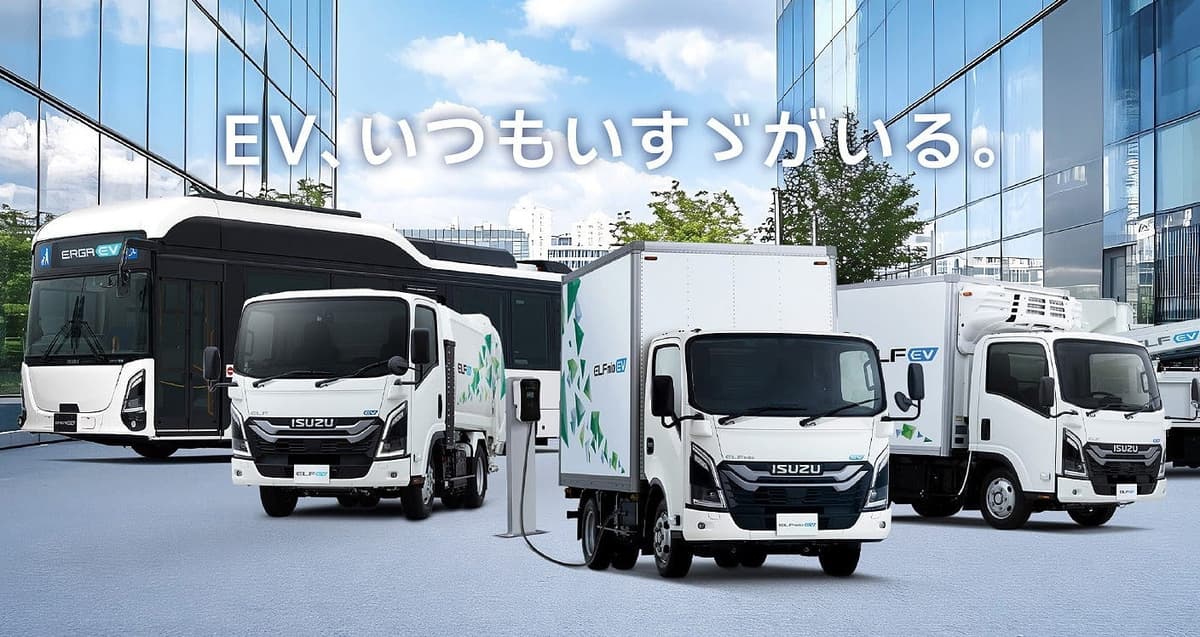
Toyota, Isuzu Agree to Co-Develop Hydrogen Fuel Cell Light Truck
Companies Mentioned
Why It Matters
The alliance could lower total‑ownership costs for hydrogen trucks, making them a practical alternative to diesel and battery‑electric vans for high‑utilisation delivery fleets. Its success may accelerate hydrogen infrastructure investment and spur further OEM collaborations in the commercial vehicle sector.
Key Takeaways
- •Toyota, Isuzu to co-develop hydrogen fuel‑cell light truck.
- •Production slated for fiscal 2027, targeting commercial delivery market.
- •Third‑gen fuel cell aims to cut refueling time vs BEVs.
- •Simplified design to lower high upfront cost of FCEVs.
- •Builds on joint bus project and Commercial Japan Partnership technologies.
Pulse Analysis
The collaboration between Toyota Motor Corp. and Isuzu Motors marks a strategic push into the hydrogen‑fuel‑cell segment for light commercial vehicles. By basing the new model on Isuzu’s N‑series electric truck platform and integrating Toyota’s third‑generation fuel‑cell stack, the partners aim to deliver a vehicle that meets the rigorous duty cycles of urban delivery fleets. Quick hydrogen refueling, high energy density, and the ability to power refrigeration units make the concept especially attractive for grocery and convenience‑store logistics, a segment that has struggled with long BEV charging times.
Cost remains the primary barrier to broader FCEV adoption, and both automakers are tackling it from design and manufacturing angles. Toyota plans to simplify the fuel‑cell architecture and streamline production, while Isuzu will reduce the truck’s body complexity to cut material and assembly expenses. The joint effort also draws on lessons learned from the Erga fuel‑cell bus and the Commercial Japan Partnership, promising improved durability and lower total‑ownership costs. These engineering shortcuts could bring the price gap between hydrogen trucks and conventional diesel models down to a competitive level.
From an industry perspective, the 2027 launch could accelerate the rollout of hydrogen refueling stations along key freight corridors in Japan and, eventually, North America. Competitors such as Hyundai and Nikola are already fielding hydrogen trucks, so Toyota‑Isuzu’s entry adds pressure to standardize safety protocols and supply‑chain logistics. If the partnership succeeds in delivering a reliable, cost‑effective vehicle, it may spur other OEMs to pursue similar collaborations, reinforcing hydrogen’s role as a viable complement to battery‑electric solutions for high‑utilisation commercial fleets.
Toyota, Isuzu agree to co-develop hydrogen fuel cell light truck
Comments
Want to join the conversation?
Loading comments...