Vegas Field Report and Autonomous Trucking Earnings
Key Takeaways
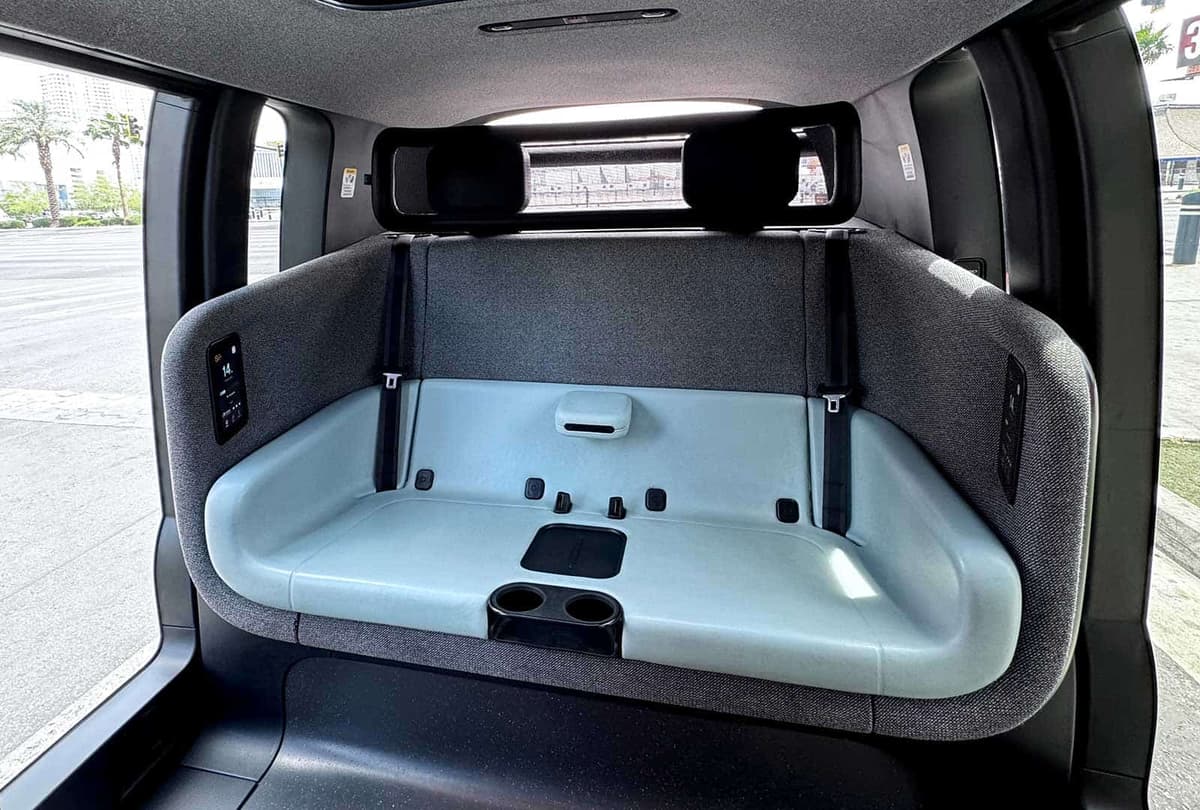
- •Zoox waited >1 hour; Motional arrived in 5 minutes
- •Zoox depot housed more Toyota Highlanders than robotaxis
- •Uber earnings reveal autonomy overhang and driver‑out goal
- •Aurora and Kodiak earnings signal growth in autonomous trucking
Pulse Analysis
The Las Vegas field report offers a micro‑cosm of the robotaxi market’s uneven maturity. While Motional’s on‑demand pairing demonstrated near‑instantaneous service, Zoox’s lengthy wait and reliance on repurposed Toyota Highlanders suggest a transitional phase where manufacturers lean on existing vehicle platforms before scaling purpose‑built fleets. This disparity influences consumer perception and could accelerate partnerships that prioritize speed over brand exclusivity.
Uber’s earnings spotlight a growing autonomy overhang—capital tied up in self‑driving technology that has yet to achieve full driver‑out status. Investors are scrutinizing the gap between current safety‑attendant models and the industry’s benchmark of completely driverless operation. As Uber pushes toward eliminating attendants, its financial disclosures become a bellwether for how quickly large ride‑hailing firms can monetize autonomous assets without compromising safety or regulatory compliance.
In freight, Aurora and Kodiak’s earnings from the ACT Expo signal a watershed moment for autonomous trucking. Both firms reported revenue growth and secured new contracts, reflecting heightened demand from shippers seeking cost‑effective, 24/7 haulage. However, California’s evolving policy landscape—particularly the push for a “no safety attendant” rule—adds complexity. Companies that can demonstrate robust safety cases while delivering economic upside are poised to capture market share as the sector moves from pilot projects to commercial scale.
Vegas Field Report and Autonomous Trucking Earnings
Comments
Want to join the conversation?