Why It Matters
The ID Polo gives Volkswagen a volume‑ready, affordable EV to meet tightening emissions rules and challenge the crowded small‑EV segment, potentially reshaping market share in Europe and beyond.
Key Takeaways
- •ID Polo uses MEB+ platform, shares chassis with Cupra Raval.
- •Offers 37 kWh LFP (186 mi) and 52 kWh NMC (280 mi) batteries.
- •Base price ~£22,000 ($27,500), 208 bhp model ~£30,000 ($37,500).
- •Classic VW handling praised; rivals may feel sportier.
- •Production slated at SEAT Martorell plant, leveraging Group synergies.
Pulse Analysis
Volkswagen’s latest electric offering, the ID Polo, is a strategic move to fill the price‑sensitive niche that European regulators and consumers are demanding. Leveraging the MEB+ architecture, the model benefits from a modular design that reduces production costs while allowing a front‑mounted motor and a cell‑to‑pack battery layout. This engineering choice keeps curb weight near 1,500 kg, a rarity for an EV in this class, and supports two battery chemistries—LFP for cost‑conscious buyers and higher‑energy‑density NMC for performance‑oriented drivers. By integrating the latest APP290 motor and upgraded power electronics, Volkswagen aims to deliver a smooth torque curve and respectable 0‑62 mph times without sacrificing efficiency.
In performance terms, the ID Polo balances everyday usability with spirited options. The base 114 bhp model offers adequate acceleration for city commuting, while the 208 bhp variant pushes the 0‑62 mph sprint to about seven seconds, rivaling sportier rivals like the Mini Cooper Electric. The upcoming GTI‑styled version, slated at 223 bhp, will feature tuned suspension and performance tires, targeting enthusiasts who crave the brand’s historic hot‑ hatch DNA. Interior space is a standout, with a longer wheelbase than the petrol Polo and a 435‑liter boot, positioning the car as one of the roomier choices among compact EVs.
Pricing will be pivotal. With an estimated starting price of £22,000 (≈$27,500) and a top‑end GTI version near £35,000 (≈$43,800), the ID Polo undercuts many premium small EVs while remaining competitive with the Renault 5 and Kia EV3. Eligibility for the UK’s Electric Car Grant further narrows the effective cost gap. Production at SEAT’s Martorell plant underscores Volkswagen Group’s drive for platform sharing and economies of scale, a tactic that could accelerate volume sales and help the automaker meet its EU fleet‑average emissions targets. If the prototype’s real‑world range and pricing hold, the ID Polo could become a cornerstone of VW’s electrification roadmap, pressuring rivals and expanding the affordable EV market.
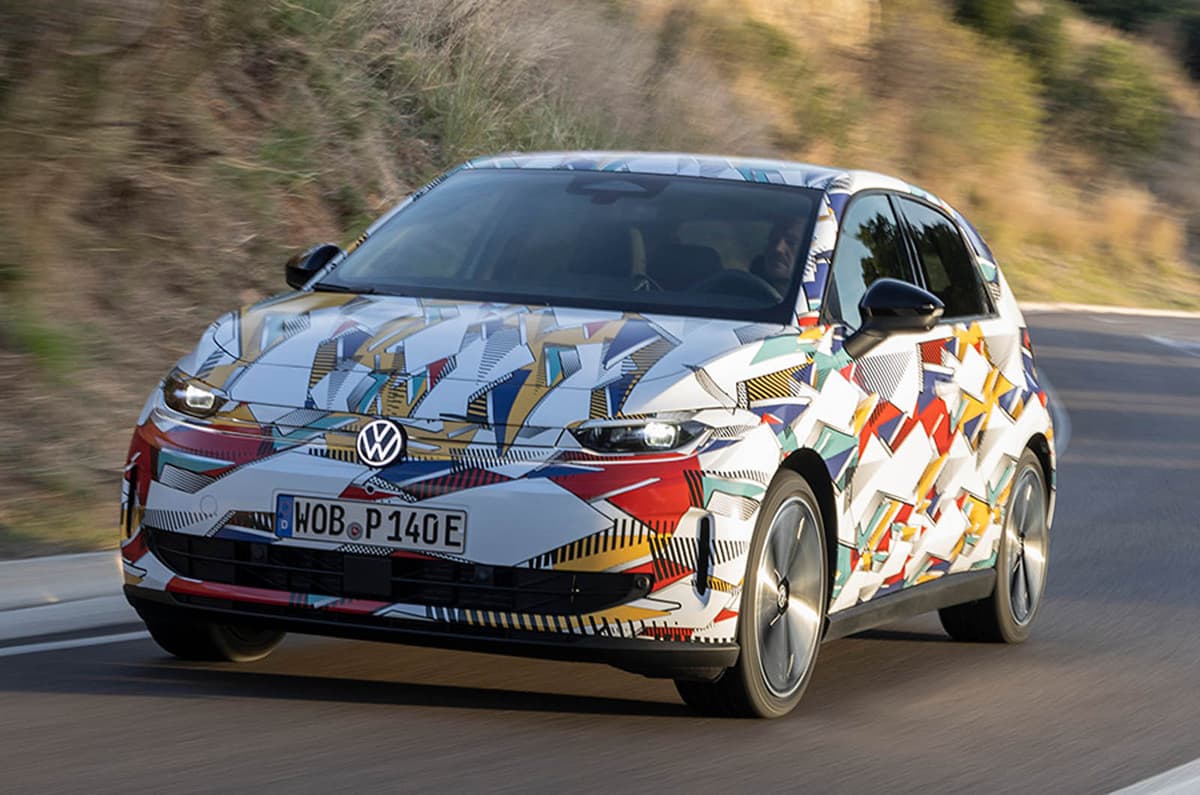
Volkswagen ID Polo prototype review
Comments
Want to join the conversation?
Loading comments...