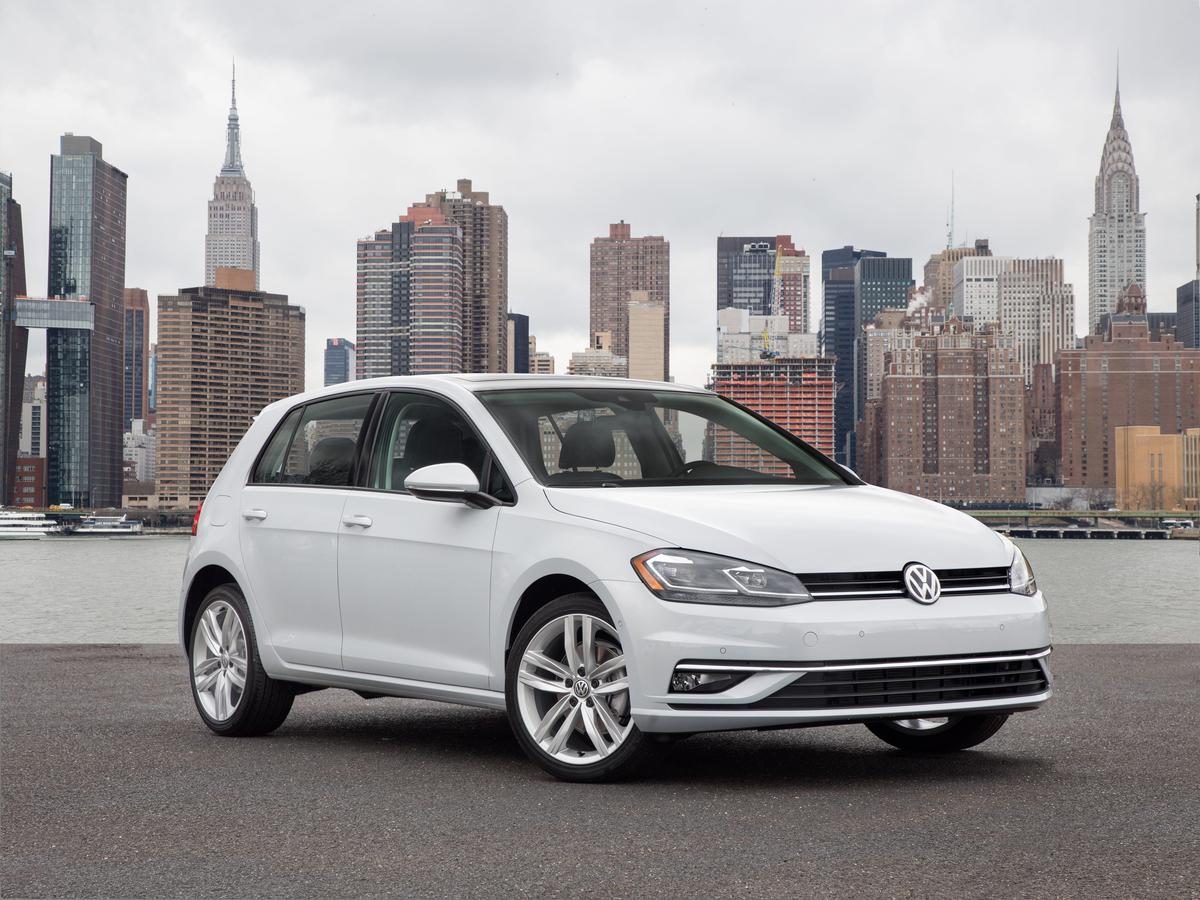
Volkswagen May Bring More Golf Variants Back to North America: Report
Companies Mentioned
Why It Matters
Relocating production reduces tariff exposure and lowers costs, making the Golf competitive again in a market dominated by compact imports. It signals VW’s broader strategy to rebuild its U.S. lineup with locally produced models.
Key Takeaways
- •VW to shift Golf production to Puebla by 2027
- •Base Golf may return to US as Mexican-built model
- •15% tariff on Mexico‑built cars would boost VW profitability
- •Current US tariff on European imports stays at 25%
- •VW already builds Tiguan, Taos, and Jetta in Puebla
Pulse Analysis
Volkswagen’s decision to relocate Golf manufacturing to Mexico reflects a strategic response to persistent tariff pressures and shifting consumer preferences. After pulling the base Golf from U.S. dealerships in 2021, VW retained only its performance‑focused GTI and Golf R variants. By 2027, the Puebla plant—already home to the Tiguan, Taos, and Jetta—will add the Golf to its portfolio, potentially re‑introducing the entry‑level hatchback and expanding the range with sport‑wagon or Alltrack versions. This move aligns with VW’s broader goal of offering a full spectrum of compact cars without the cost penalty of importing from Europe.
The tariff landscape is a key driver behind the shift. Vehicles built in Germany face a 25% duty when shipped to the United States, eroding margins on a price‑sensitive segment. Mexico‑built cars are subject to the same rate under the current USMCA terms, but VW hopes forthcoming renegotiations could lower that to around 15%, a level that would markedly improve profitability. By producing the Golf closer to its target market, VW can also shorten supply chains, reduce logistics costs, and respond more quickly to regional demand fluctuations.
For the North American market, the revival of the Golf could reshape the compact‑car battleground. Competitors such as Honda Civic, Toyota Corolla, and Hyundai Elantra dominate sales charts, but a locally produced Golf would combine European engineering with a price point more palatable to cost‑conscious buyers. If VW successfully leverages a reduced tariff and introduces new variants, it could regain market share lost after the 2021 withdrawal, bolster dealer inventories, and reinforce its commitment to the U.S. as a growth engine for the brand.
Volkswagen May Bring More Golf Variants Back to North America: Report
Comments
Want to join the conversation?
Loading comments...