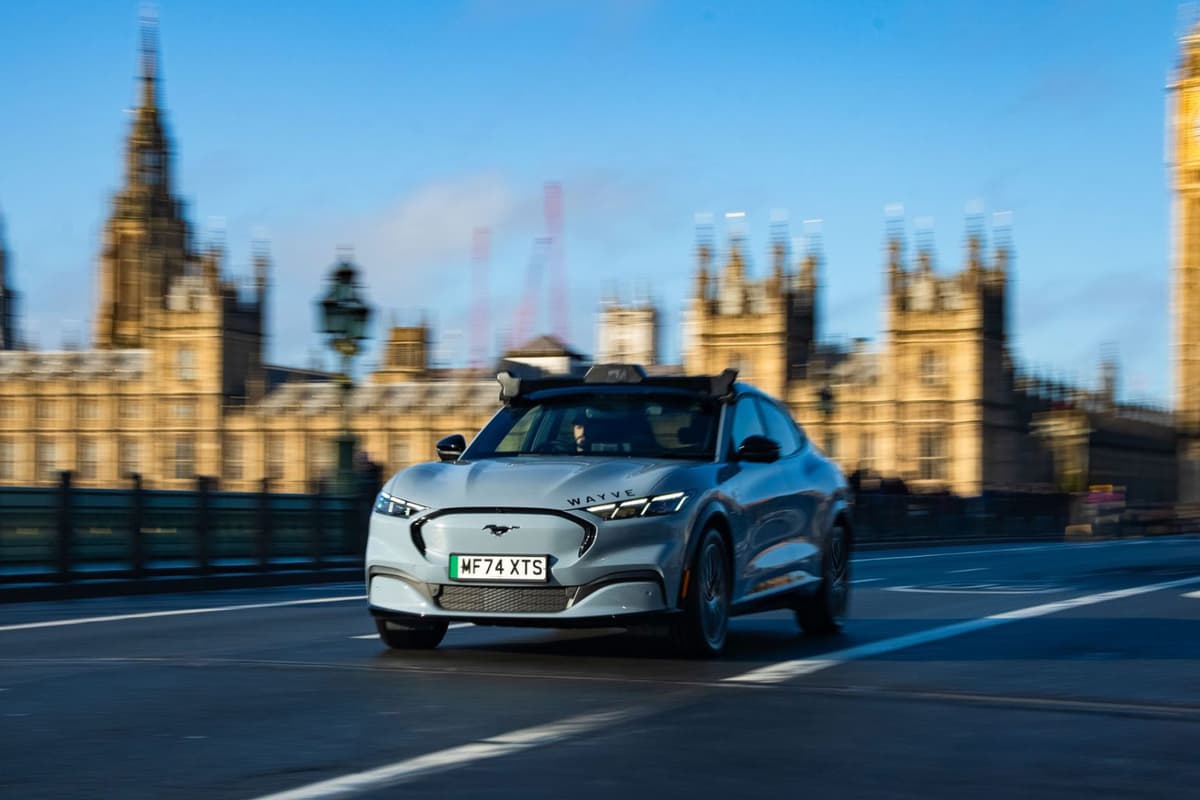
Wayve, Uber, Waymo Line up for UK Self-Driving Pilot
Companies Mentioned
Why It Matters
The pilot establishes a regulatory foothold for autonomous mobility in Britain, unlocking new revenue streams and addressing transport accessibility for disabled and older populations. It also sets a benchmark for safety standards that will shape global self‑driving deployments.
Key Takeaways
- •UK opens first commercial autonomous passenger service applications
- •Wayve, Uber, Waymo among early participants in pilot
- •Safety and cyber‑security approvals required from national and local authorities
- •Industry estimates £3.7bn (~$5bn) annual revenue by 2040
- •Pilot aims to boost mobility for disabled and older adults
Pulse Analysis
Britain’s decision to green‑light a self‑driving passenger pilot reflects a broader shift toward regulatory certainty in autonomous mobility. By moving from consultation to concrete applications, the Department for Transport signals confidence that safety, data protection and local governance frameworks can coexist with commercial innovation. This approach contrasts with the more cautious, case‑by‑case approvals seen in the United States and Europe, positioning the UK as a testbed for scalable autonomous services.
The involvement of Wayve, Uber and Waymo underscores the competitive intensity among tech‑heavy and legacy mobility firms seeking early market share. Each brings distinct strengths: Wayve’s UK‑centric AI stack, Uber’s extensive ride‑hailing network, and Waymo’s proven sensor‑fusion platform. Their participation will pressure the government to refine certification processes, especially around real‑time cyber‑security monitoring and passenger safety protocols. Industry observers expect the pilot to generate valuable data that will accelerate sensor redundancy standards and liability frameworks across the sector.
Economically, the pilot could catalyze a multi‑billion‑dollar market, with the Society of Motor Manufacturers and Traders projecting nearly $5 billion in annual revenue by 2040. Beyond direct earnings, the program promises high‑skilled job creation in software engineering, vehicle maintenance and regulatory compliance. Moreover, autonomous taxis and buses could dramatically improve mobility for disabled and elderly citizens, reducing reliance on traditional public transport and expanding geographic accessibility. If successful, the UK model may become a template for other jurisdictions aiming to balance innovation with public safety.
Wayve, Uber, Waymo line up for UK self-driving pilot
Comments
Want to join the conversation?
Loading comments...