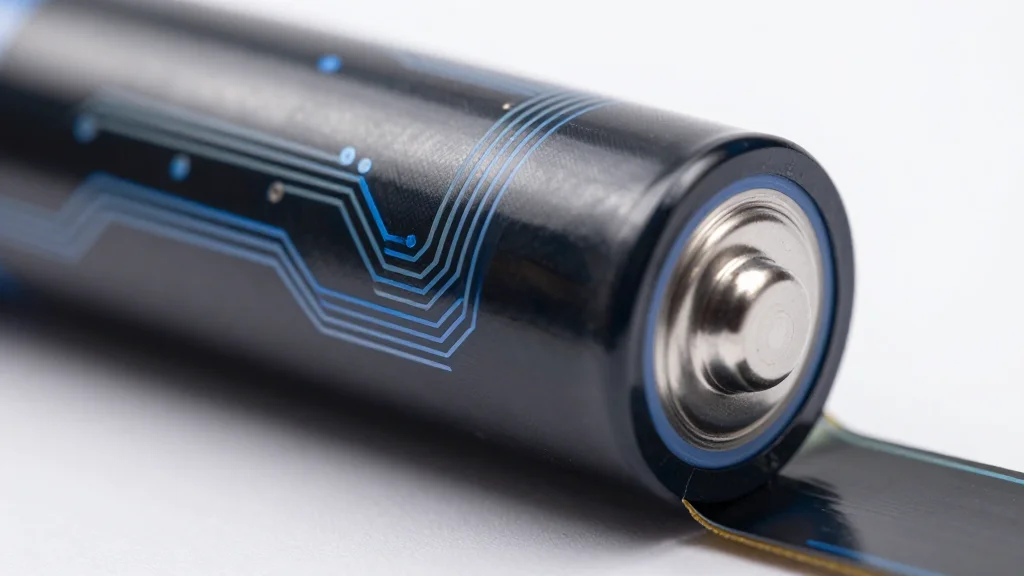
Why Integrated FPC-Based Cell Contact Solutions Are Essential to Battery Pack Manufacturing
Why It Matters
FPC integration directly lifts pack performance and margins, accelerating EV adoption and competitive advantage in a cost‑sensitive market.
Key Takeaways
- •FPCs replace discrete wires, cutting pack assembly time by up to 30%
- •Integrated FPCs improve temperature and voltage data fidelity for BMS
- •Lower material costs and higher reliability boost battery pack margins
- •Flexible circuits enable tighter cell spacing, increasing energy density
- •Churod’s white paper outlines design guidelines for safe FPC integration
Pulse Analysis
The race for higher energy density in electric‑vehicle batteries has intensified, but manufacturers cannot sacrifice safety or cost. Traditional cell‑contact methods rely on bundles of discrete wires that add weight, consume space, and introduce points of failure. As pack designs shrink and cell counts rise, the need for a streamlined, reliable interconnect becomes critical. Flexible printed circuit (FPC) technology offers a thin, lightweight alternative that conforms to complex cell layouts, allowing engineers to pack more cells into the same volume while preserving thermal management and structural integrity.
From a technical standpoint, FPC‑based contacts deliver superior signal integrity for voltage and temperature measurements, feeding the BMS with real‑time, high‑resolution data. The continuous copper traces reduce resistance and eliminate the variability inherent in hand‑wired connections, resulting in more accurate state‑of‑health assessments. Manufacturing benefits are equally compelling: automated FPC placement shortens assembly cycles, cuts labor costs, and minimizes solder joint defects. The material savings—both in copper and insulation—translate into lower per‑pack expenses, a crucial factor as automakers push for sub‑$100/kWh battery costs.
Industry adoption is gaining momentum, driven by OEMs seeking to differentiate on range and reliability. Churod Electronics’ white paper provides practical design guidelines, emphasizing proper strain relief, thermal expansion management, and EMI shielding to ensure long‑term durability. As supply chains mature and FPC suppliers scale production, the technology is poised to become the new standard for high‑performance battery packs, reinforcing the EV market’s trajectory toward affordable, high‑density energy storage.
Why integrated FPC-based cell contact solutions are essential to battery pack manufacturing
Comments
Want to join the conversation?
Loading comments...