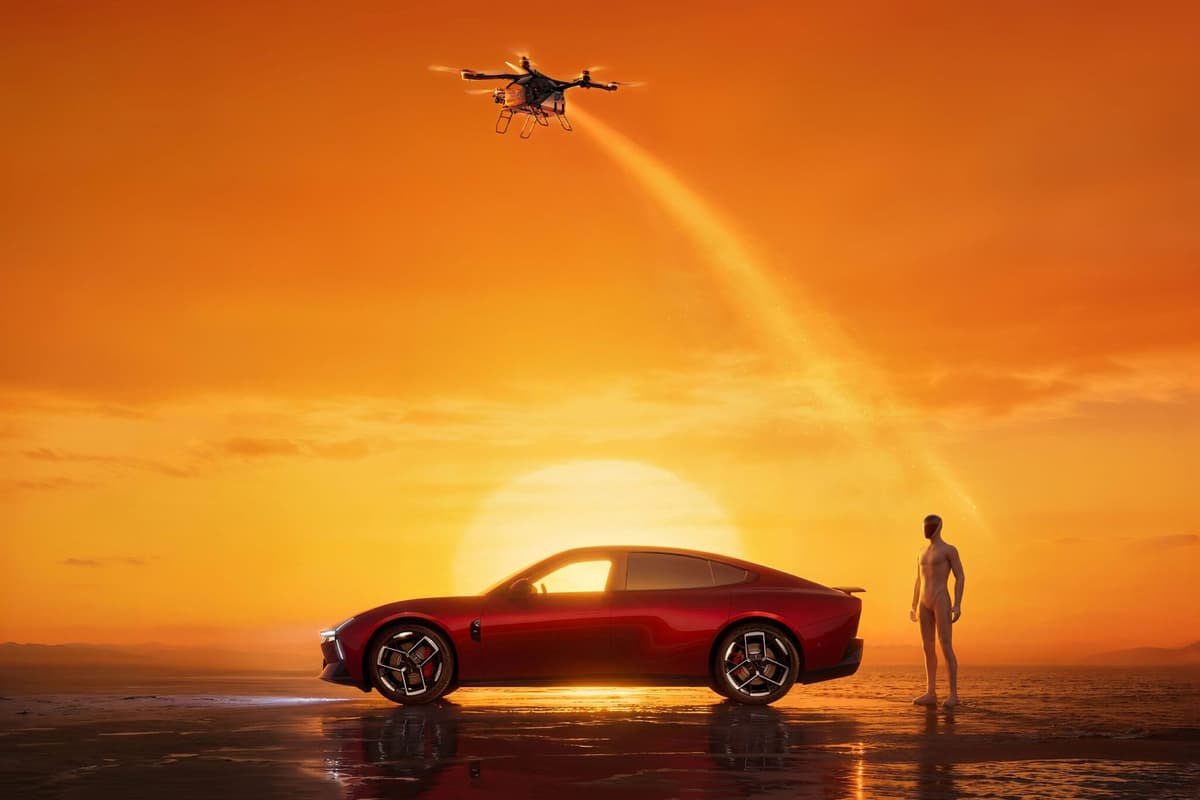
Xpeng Pushes Physical AI Pitch at Beijing Auto Show
Companies Mentioned
Why It Matters
The shift positions Xpeng beyond a pure EV maker, opening new revenue streams in robotics and flying‑car markets and intensifying competition with Chinese firms that are branding themselves as AI companies.
Key Takeaways
- •Xpeng rebrands to “Physical AI” covering cars, robots, flying vehicles
- •VLA 2.0 system now in Ultra version, boosting conversion rates
- •Mona UltraSE offers VLA 2.0 features at lower price for younger buyers
- •International deliveries rose 95.6% to 45,000 units in 2025
Pulse Analysis
Xpeng’s Physical AI rebranding reflects a broader trend among Chinese automakers to evolve from vehicle manufacturers into integrated mobility platforms powered by artificial intelligence. By bundling intelligent driving, humanoid robotics and aerial mobility under one technology stack, Xpeng aims to capture synergies across hardware, software and data, positioning itself against rivals such as BYD and Nio that are also expanding into AI‑centric ecosystems. This strategic pivot signals to investors that the company is diversifying its product pipeline, potentially unlocking higher margins in emerging sectors like service robots and urban air mobility.
The centerpiece of the Beijing Auto Show is the VLA 2.0 intelligent‑driving system, now offered in an Ultra‑version that promises higher adoption and conversion rates across Xpeng’s lineup. The newly launched Mona UltraSE brings these capabilities to a more affordable price point, targeting younger, tech‑savvy consumers in China’s highly competitive EV market. By showcasing autonomous campus driving, automated parking and urban navigation demos, Xpeng demonstrates that its software stack is ready for mass production in 2026, a timeline that could accelerate the rollout of Level‑3+ autonomous features and strengthen its competitive edge.
Outside China, Xpeng’s growth narrative is gaining momentum. Delivering 45,000 vehicles in 2025—a 95.6% increase year‑on‑year—across more than 60 countries underscores the brand’s expanding global footprint. This rapid international expansion not only diversifies revenue sources but also provides a testing ground for its Physical AI technologies in varied regulatory environments. As the company scales, investors will watch how effectively Xpeng integrates robotics and aerial mobility into its core automotive business, a move that could reshape the competitive dynamics of the global mobility industry.
Xpeng pushes Physical AI pitch at Beijing Auto Show
Comments
Want to join the conversation?
Loading comments...