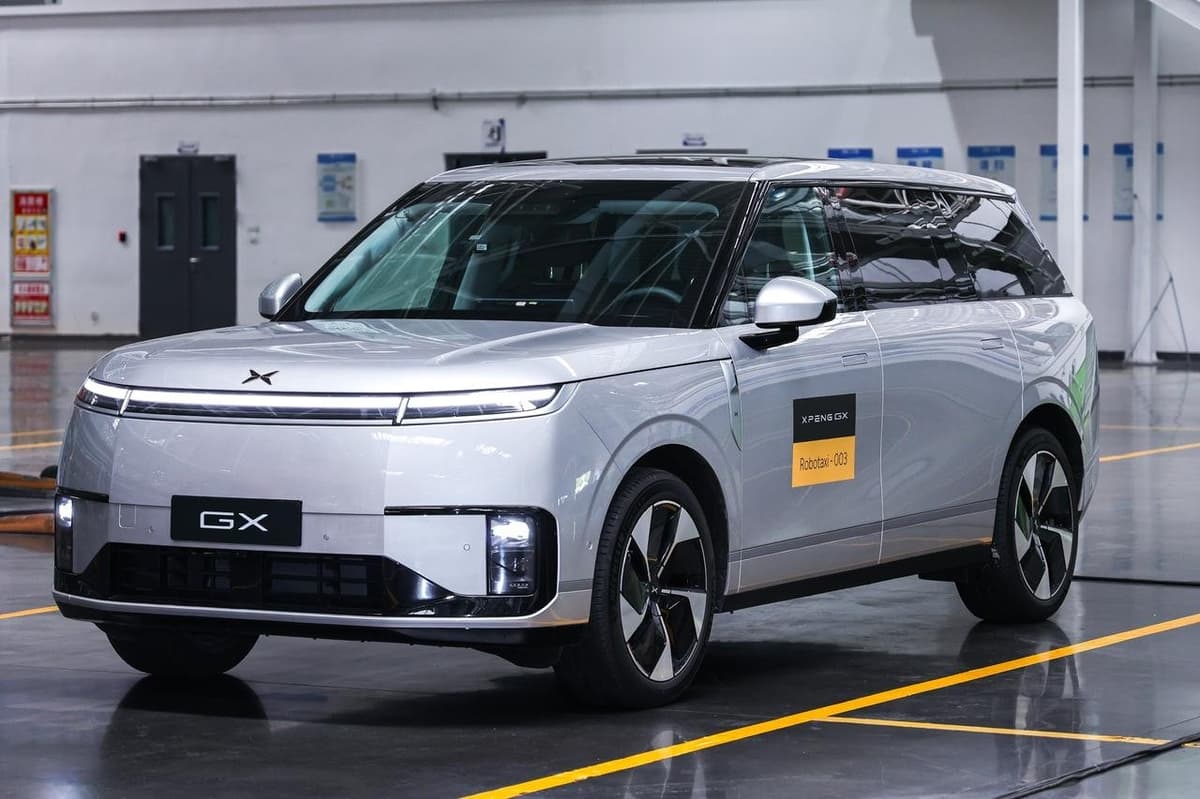
XPeng Rolls Out Its First Mass-Produced Robotaxi
Why It Matters
XPeng’s robotaxi pushes China toward large‑scale autonomous mobility, testing both technology and regulatory acceptance, while Anthropic’s acquisition reshapes the AI developer‑tooling landscape, giving it a strategic edge over rivals.
Key Takeaways
- •XPeng began mass‑producing Level 4 robotaxi in Guangzhou
- •Robotaxi uses 3,000 TOPS vision‑only AI chips, no LiDAR
- •Pilot launches H2 2026; driverless service slated for early 2027
- •Anthropic acquired SDK startup Stainless, rumored >$300 million deal
- •Acquisition gives Anthropic exclusive SDK tooling, limiting rivals’ options
Pulse Analysis
XPeng’s rollout of a mass‑produced robotaxi marks a watershed for China’s autonomous‑vehicle ambitions. By integrating its GX platform with four in‑house Turing AI chips that deliver 3,000 TOPS of compute, the company sidesteps costly LiDAR hardware, relying instead on a pure‑vision stack that claims sub‑80 ms latency. The move demonstrates the feasibility of vertically integrated production, yet the real test will be the upcoming pilot in Guangzhou, where performance, safety, and passenger acceptance will be scrutinized under increasingly permissive but still cautious regulatory oversight.
The broader robotaxi market is heating up as incumbents and newcomers race toward commercial deployment. Tesla’s upcoming Cybercab, priced under $30,000, and Nuro’s trials in Tokyo illustrate global pressure, while Chinese regulators have begun granting conditional Level 3 permits to other automakers. XPeng’s ambition to launch fully driverless rides by early 2027 hinges on securing unconditional approvals and proving economic viability at scale. Its extensive X‑World simulation—covering over 500,000 scenarios and generating 30 million km of virtual mileage daily—provides valuable data, but independent real‑world metrics will ultimately dictate market confidence.
Anthropic’s acquisition of Stainless underscores a strategic shift in AI competition from pure model performance to developer‑experience dominance. Stainless’s technology automates SDK generation across languages such as Python, TypeScript, and Go, a capability that has powered APIs for OpenAI, Google, and others. By absorbing the startup and winding down its public services, Anthropic not only locks in a proprietary toolchain for Claude but also creates a barrier for rivals who now face a gap in automated SDK maintenance. This consolidation signals that future AI leadership may depend as much on seamless integration infrastructure as on the underlying large‑language models.
XPeng Rolls Out Its First Mass-Produced Robotaxi
Comments
Want to join the conversation?
Loading comments...