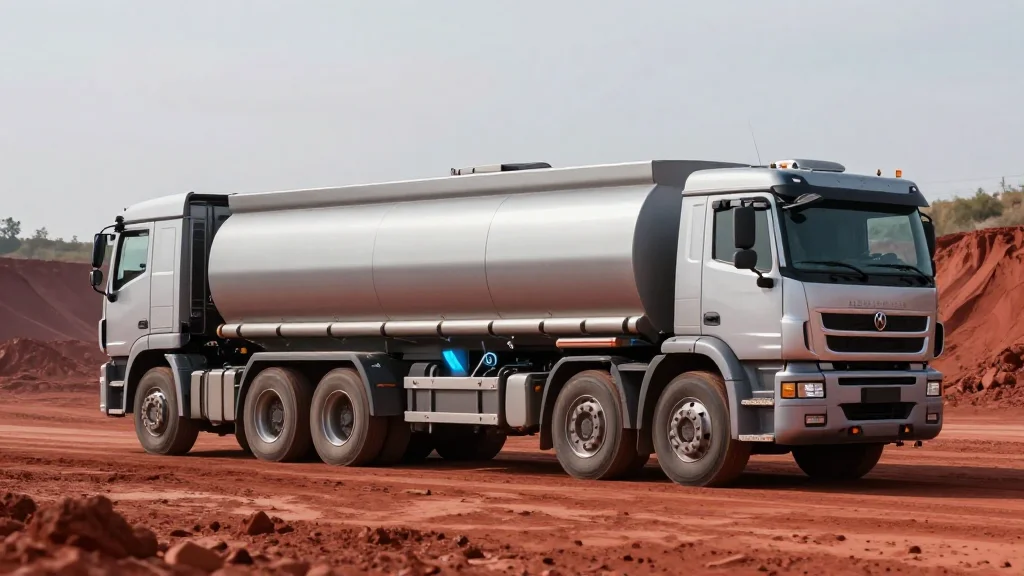
“Yes We Can:” Andrew Forrest Mocks Murdoch Tabloid Stories Dismissing Electric Trucks
Why It Matters
Forrest’s rebuttal signals that major resource companies view electric haulage as commercially viable within years, not decades, pressuring skeptics and accelerating industry investment in zero‑emission logistics.
Key Takeaways
- •Fortescue’s first Liebherr T264 electric haul truck arrives in months
- •Company aims to electrify entire Pilbara fleet by 2030
- •Electric trucks already delivering loads between Sydney and Canberra
- •Government plans three new electric‑truck charging hubs in Melbourne
- •Volvo unveils 700 km range heavy electric truck
Pulse Analysis
The Australian trucking sector has long been dismissed by traditional media as lagging behind the electric revolution, a narrative reinforced by a recent Daily Telegraph front‑page story. Andrew Forrest, chief executive of Fortescue Metals Group, used his LinkedIn platform to counter that narrative, showcasing a photo of the newspaper alongside an image of Fortescue’s forthcoming Liebherr T‑264 battery‑electric haul truck. By framing the debate around tangible hardware rather than abstract forecasts, Forrest highlighted that the technology is not only available but already undergoing real‑world trials, challenging the notion that heavy‑duty electrification will take “decades.”
Fortescue’s broader decarbonisation strategy amplifies the significance of this single truck. The company is constructing two gigawatts of wind and solar capacity, complemented by 4.5 GWh of battery storage, to power its Pilbara operations. By 2030, Fortescue plans to replace its entire fleet of 264‑tonne haul trucks and other mining equipment with electric equivalents, a move that could eliminate millions of litres of diesel annually. The firm has already swapped 15 of its 70 excavators for electric models, each saving roughly one million litres of diesel per year, underscoring the scale of emissions reductions possible when electricity replaces fossil fuels in heavy industry.
The ripple effects extend beyond mining. Recent electric‑truck deliveries by New Energy Transport between Sydney and Canberra demonstrate cost and performance advantages over diesel, while the federal government’s commitment to additional charging hubs in Melbourne signals policy support for a national electric‑truck network. Volvo’s announcement of a 700 km‑range heavy electric truck further validates market confidence. Collectively, these developments suggest that Australia’s logistics and resources sectors are on the cusp of a rapid transition, with electric haulage poised to become a mainstream, cost‑effective solution rather than a niche experiment.
“Yes we can:” Andrew Forrest mocks Murdoch tabloid stories dismissing electric trucks
Comments
Want to join the conversation?
Loading comments...