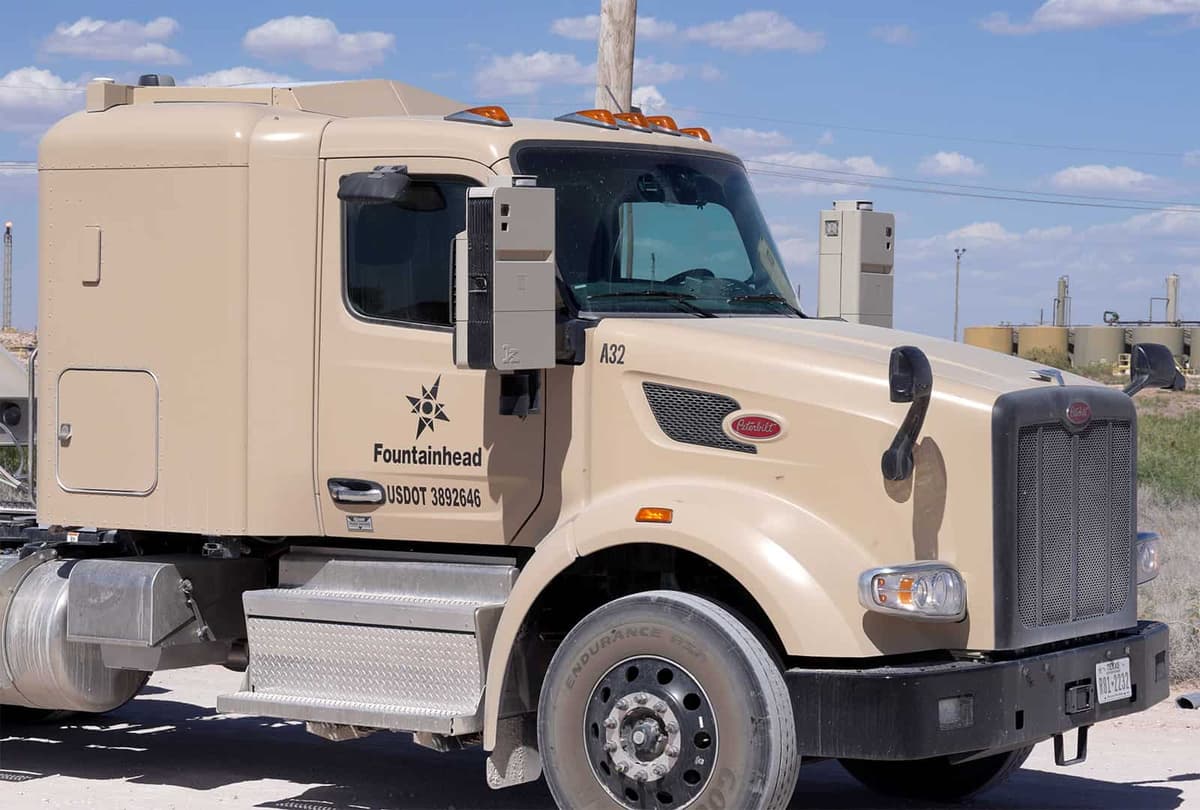
Inside Kodiak’s Autonomous Trucking Operation in the Permian Basin Field Report
Key Takeaways
- •Atlas owns trucks; Kodiak supplies Driver‑as‑a‑Service
- •Q1 2026: 28 trucks, 23,500 hours, 15,600 loads
- •Mobile depots built on portable trailers enable relocation
- •Trucks run fully driverless through dust storms and mixed traffic
- •Binding 100‑truck order signals scalable autonomous freight
Pulse Analysis
Kodiak’s partnership with Atlas Energy Solutions showcases a novel Driver‑as‑a‑Service (DaaS) model that reverses the typical fleet‑ownership paradigm. Instead of the autonomous‑vehicle company owning the trucks, Atlas purchases the hardware and contracts Kodiak for the software, sensor pods, and remote operations. This arrangement gives the oil‑and‑gas operator direct asset control while leveraging Kodiak’s expertise to accelerate deployment, a combination that has already driven a 74% quarter‑over‑quarter revenue surge to $1.8 million. The rapid expansion from 20 to 28 trucks in a single quarter underscores how DaaS can unlock growth in capital‑intensive, high‑throughput markets.
The Permian deployment is engineered for the basin’s fluid geography and extreme conditions. Kodiak’s depots are essentially portable gravel pads with trailers, allowing Atlas to shift the footprint as well sites move. The trucks receive sand from the 42‑mile, 36‑inch‑wide electrified Dune Express conveyor, then navigate unpaved, dust‑laden roads without a safety driver, even during 100‑degree heat and 30‑mph winds. Modular SensorPods and dynamic routing eliminate the need for fixed HD maps, making the system resilient to the basin’s ever‑changing terrain and traffic mix. These operational choices illustrate how autonomous freight can thrive outside the controlled environments typical of robotaxi depots.
Commercially, the binding 100‑truck order marks the first large‑scale, customer‑owned deployment of fully driverless Class 8 trucks in the United States. If Atlas expands beyond the initial order and Kodiak replicates the DaaS model in disparate settings—such as the West Fraser timber pilot in Alberta—the approach could become a template for autonomous logistics across mining, construction, and bulk‑material transport. The key variables will be the ability to maintain uptime in harsh climates, the speed of feature integration driven by asset owners, and the scalability of revenue streams as fleets grow. Success would pressure competitors to adopt similar ownership‑service structures, potentially reshaping the autonomous trucking landscape.
Inside Kodiak’s Autonomous Trucking Operation in the Permian Basin Field Report
Comments
Want to join the conversation?