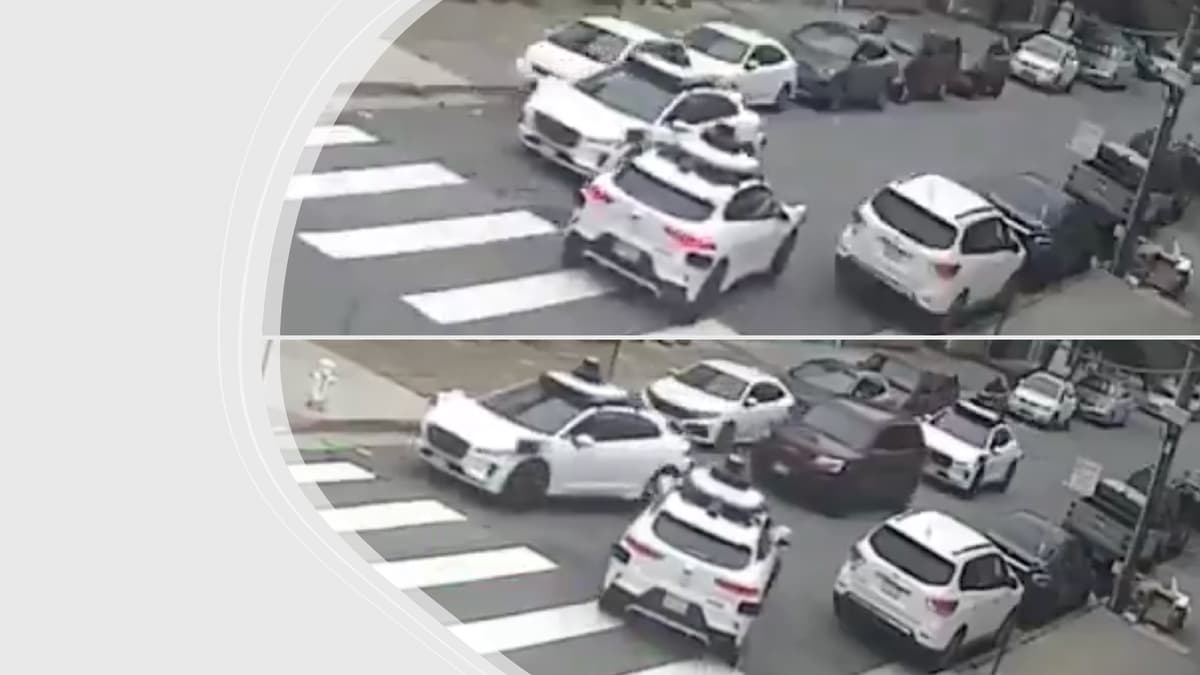
Robotaxi Ballet: Clumsy Navigation By Several Waymos
•February 27, 2026
0
Why It Matters
The episode reveals practical limits of current autonomous driving tech, influencing public trust and potentially prompting tighter regulatory oversight for robotaxi deployments.
Key Takeaways
- •Waymo robotaxis struggled on narrow two‑way street
- •Multiple units collided, causing traffic blockage
- •Incident highlights navigation algorithm limits in constrained environments
- •Public confidence may dip after viral video
- •Regulators may demand stricter safety testing
Pulse Analysis
The Waymo mishap offers a vivid case study of autonomous vehicles confronting real‑world constraints that differ from controlled test tracks. Narrow streets, ambiguous lane markings, and opposing traffic flow create decision‑making dilemmas for AI navigation stacks. When multiple robotaxis enter such a corridor simultaneously, the lack of a robust coordination protocol can lead to deadlock scenarios, as seen in the recent video. This highlights the need for more sophisticated vehicle‑to‑vehicle communication and dynamic path‑planning algorithms that can adapt instantly to congested micro‑environments.
Beyond the technical angle, the public reaction to the "robot‑taxi ballet" illustrates how quickly perception can shift when autonomous systems falter. Viral footage spreads across social platforms, shaping narratives around safety and reliability. For companies like Waymo, maintaining consumer confidence is as critical as refining sensor suites; a single high‑visibility incident can erode trust built over years of testing. Stakeholders, from investors to city planners, now weigh the trade‑off between innovation speed and the assurance of seamless integration into existing traffic ecosystems.
Regulators are likely to respond by tightening safety standards for robotaxi operations, especially in dense urban cores. Expect increased emphasis on scenario‑based testing that mirrors complex street geometries and mixed‑traffic conditions. Waymo and its peers may need to demonstrate not only collision avoidance but also cooperative behavior among multiple autonomous units. As the industry matures, such incidents will drive both policy and technology toward more resilient, collaborative autonomous mobility solutions.
Robotaxi Ballet: Clumsy Navigation By Several Waymos
0
Comments
Want to join the conversation?
Loading comments...