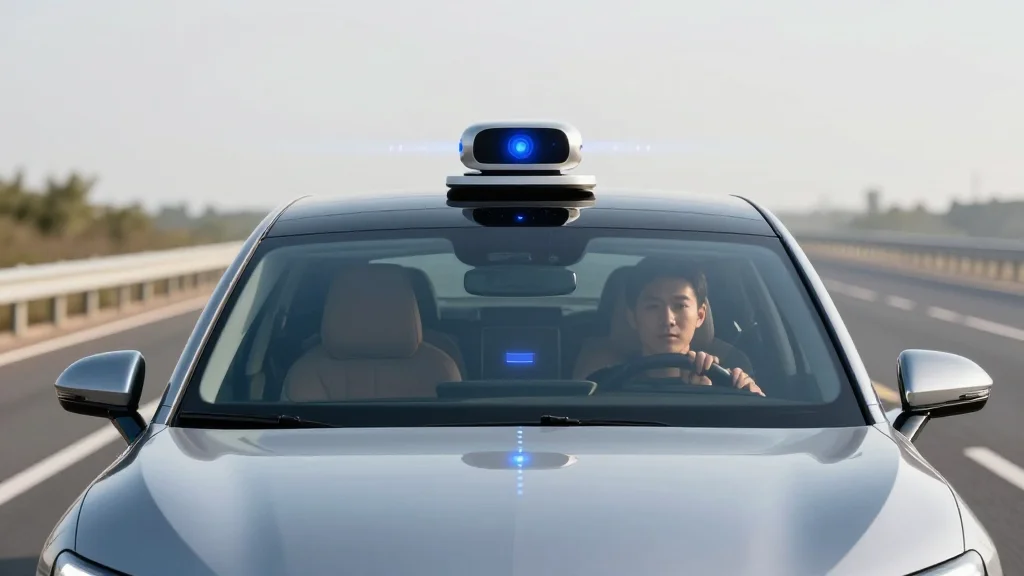
This Autonomous Vehicle Firm Is Being Investigated For Crashes With Safety Drivers At The Wheel
Key Takeaways
- •NHTSA opened investigation into Avride after multiple crashes with safety driver present
- •Incidents include lane changes into traffic and failure to stop for obstacles
- •Avride reports incidents to NHTSA, noting incident rate falling as mileage rises
- •Safety operators were on board but may not have intervened before collisions
- •Uber partnership persists, underscoring regulatory scrutiny for autonomous ride‑hailing services
Pulse Analysis
The autonomous‑vehicle market has entered a phase where regulatory scrutiny rivals technological ambition. NHTSA’s preliminary evaluation of Avride underscores a broader industry trend: agencies are moving from passive data collection to active investigations when safety signals emerge. By focusing on specific failure modes—such as aggressive lane changes and missed obstacle detection—regulators aim to set clearer performance baselines for Level 4 systems, pressuring startups to demonstrate robust risk mitigation before scaling.
Avride’s story is emblematic of the challenges faced by spin‑outs from larger tech entities. Originating from Yandex’s self‑driving unit, the company leveraged its engineering pedigree to secure a high‑profile partnership with Uber, deploying modified Hyundai Ioniq 5s for passenger rides and delivery robots. While the collaboration offers a fast‑track to market, it also exposes Avride to heightened public and investor expectations. The company’s proactive incident reporting, even for minor fender‑benders, reflects an emerging best practice aimed at building trust, yet the presence of safety drivers who may not intervene raises doubts about operational oversight.
Looking ahead, the outcome of the NHTSA probe could set a precedent for how safety‑driver models are evaluated. If Avride can substantiate its claim of declining incident rates and demonstrate effective technical mitigations, it may reassure partners and regulators alike. Conversely, any finding of systemic software deficiencies could trigger stricter licensing requirements, slow rollout timelines, and prompt other AV firms to reassess their monitoring protocols. For investors and industry observers, the case serves as a barometer of the balance between rapid innovation and the regulatory frameworks that will ultimately shape the autonomous mobility landscape.
This Autonomous Vehicle Firm is Being Investigated For Crashes With Safety Drivers At The Wheel
Comments
Want to join the conversation?