Transcript: WeRide Is Catching Up to Waymo Globally
Key Takeaways
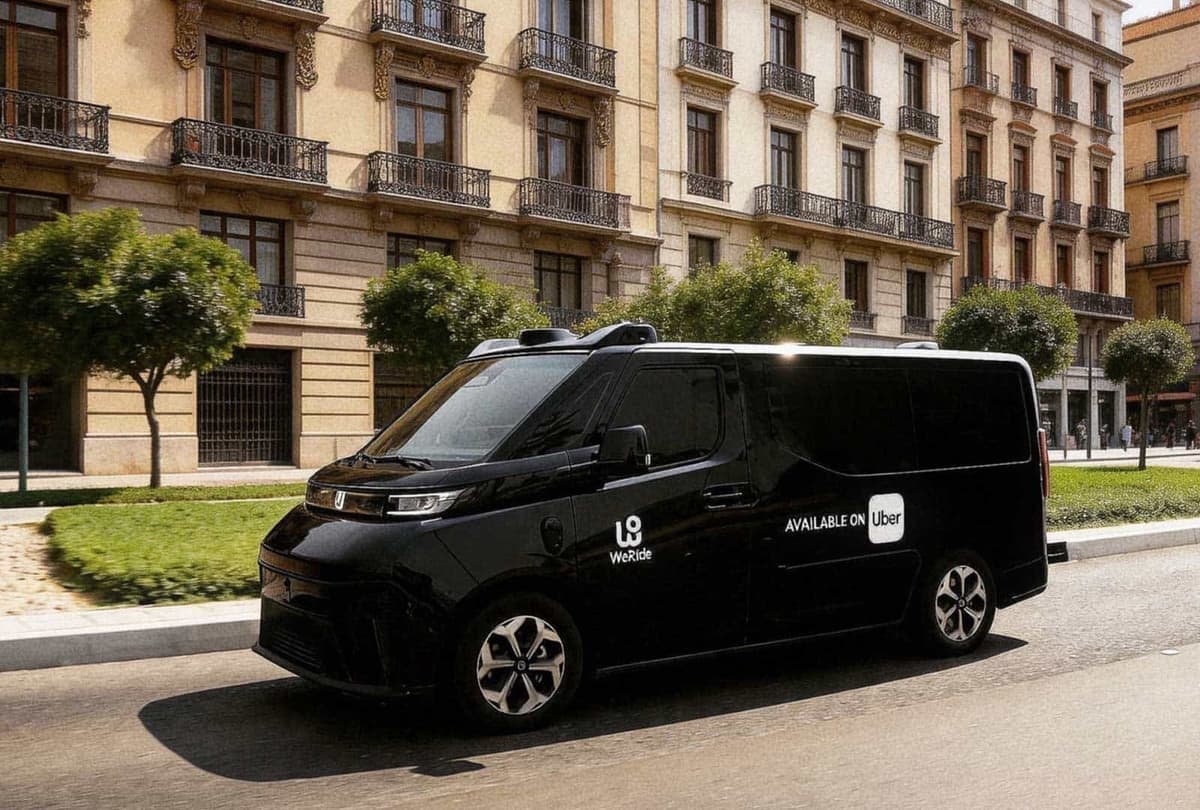
- •WeRide’s Madrid launch makes four of fifteen planned Uber cities
- •Waymo’s Zeekr registration triggers bipartisan effort to ban Chinese AVs
- •Tampa depot gives Waymo a strategic hub in Florida’s logistics corridor
- •Uber’s Nuro funding tied to performance, not a full $500 M upfront
- •Aurora stake sale signals Uber’s retreat from autonomous trucking
Pulse Analysis
WeRide’s entry into Madrid marks a decisive step toward a truly global autonomous‑vehicle network. By leveraging a partnership with Uber, the Chinese‑origin firm can accelerate deployment while keeping unit costs low through its in‑house manufacturing pipeline. The move not only expands WeRide’s European footprint but also challenges Waymo’s long‑standing dominance, forcing the U.S. giant to defend market share on multiple continents. Analysts see cost efficiency as a potential differentiator, especially as both firms vie for the same fleet‑size targets and regulatory approvals.
Waymo’s decision to register 45 Zeekr robotaxis in Texas has ignited a political firestorm. Lawmakers from both parties are drafting legislation to ban Chinese‑manufactured vehicles, citing national‑security concerns. If enacted, the ban could force Waymo to replace its Zeekr fleet with domestically produced units, disrupting rollout timelines and inflating capital expenditures. The episode highlights how geopolitical tensions can quickly become operational risk for autonomous‑mobility providers, prompting companies to diversify supply chains and engage more proactively with policymakers.
Funding dynamics are also shifting. Uber’s $500 million pledge to Nuro is contingent on hitting specific milestones, effectively turning the investment into a performance‑based loan rather than a cash infusion. At the same time, Uber’s divestiture of additional Aurora equity signals a retreat from autonomous trucking, reallocating resources toward last‑mile delivery and robotaxi services. This strategic re‑balancing reflects broader industry trends where firms prioritize scalable, revenue‑generating use cases while hedging against regulatory uncertainty. Investors will watch closely how these capital allocations influence market consolidation and the pace of commercial autonomous deployments.
Transcript: WeRide Is Catching Up to Waymo Globally
Comments
Want to join the conversation?