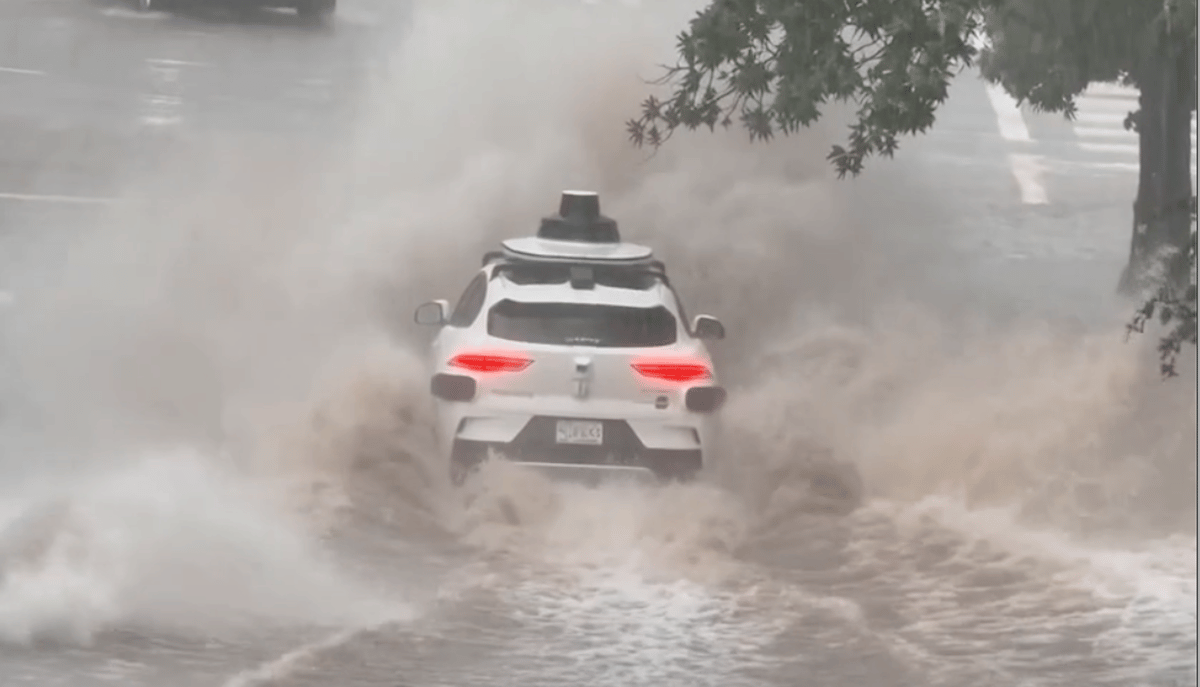
Waymo Driving Through a Flooded Street in Dallas
Key Takeaways
- •Waymo's driverless sedan entered 2‑foot‑deep water on Dallas street
- •Video shows vehicle maintaining lane while water splashed around wheels
- •Incident raises questions about AV sensor performance in adverse weather
- •Waymo paused testing in Dallas pending safety review
- •Experts warn climate‑related events could challenge autonomous fleets
Pulse Analysis
Waymo’s recent foray into a water‑logged Dallas street offers a rare glimpse into how autonomous vehicles cope with climate‑induced anomalies. While the company’s sensor array—lidar, radar, and cameras—has proven adept at navigating complex urban scenarios, standing water presents a distinct challenge. Water can refract lidar beams, obscure camera vision, and interfere with radar reflections, potentially compromising object detection and depth perception. By voluntarily suspending its Dallas operations, Waymo signals a precautionary approach, allowing engineers to dissect sensor data and refine algorithms before resuming public road testing.
The incident arrives at a pivotal moment for regulators who are drafting safety standards for autonomous fleets. State transportation departments are increasingly demanding rigorous validation of AV performance under adverse conditions, from heavy rain to snow and now flooding. Waymo’s decision to pause testing aligns with emerging best practices that prioritize data‑driven risk assessment over rapid market rollout. Industry analysts suggest that such transparency could mitigate liability concerns and foster a collaborative dialogue with policymakers, ultimately accelerating the path to broader deployment.
Beyond immediate safety considerations, the flood episode underscores a strategic imperative for the autonomous‑vehicle sector: climate resilience. As extreme weather events become more frequent, manufacturers must embed robust environmental tolerance into vehicle design and software. This includes developing waterproof sensor housings, adaptive perception models that recognize water‑induced anomalies, and contingency protocols for safe withdrawal from hazardous zones. Waymo’s experience serves as a case study for peers, highlighting that mastering the nuances of weather extremes will be as critical to commercial success as mastering lane‑keeping or traffic negotiation.
Waymo Driving Through a Flooded Street in Dallas
Comments
Want to join the conversation?