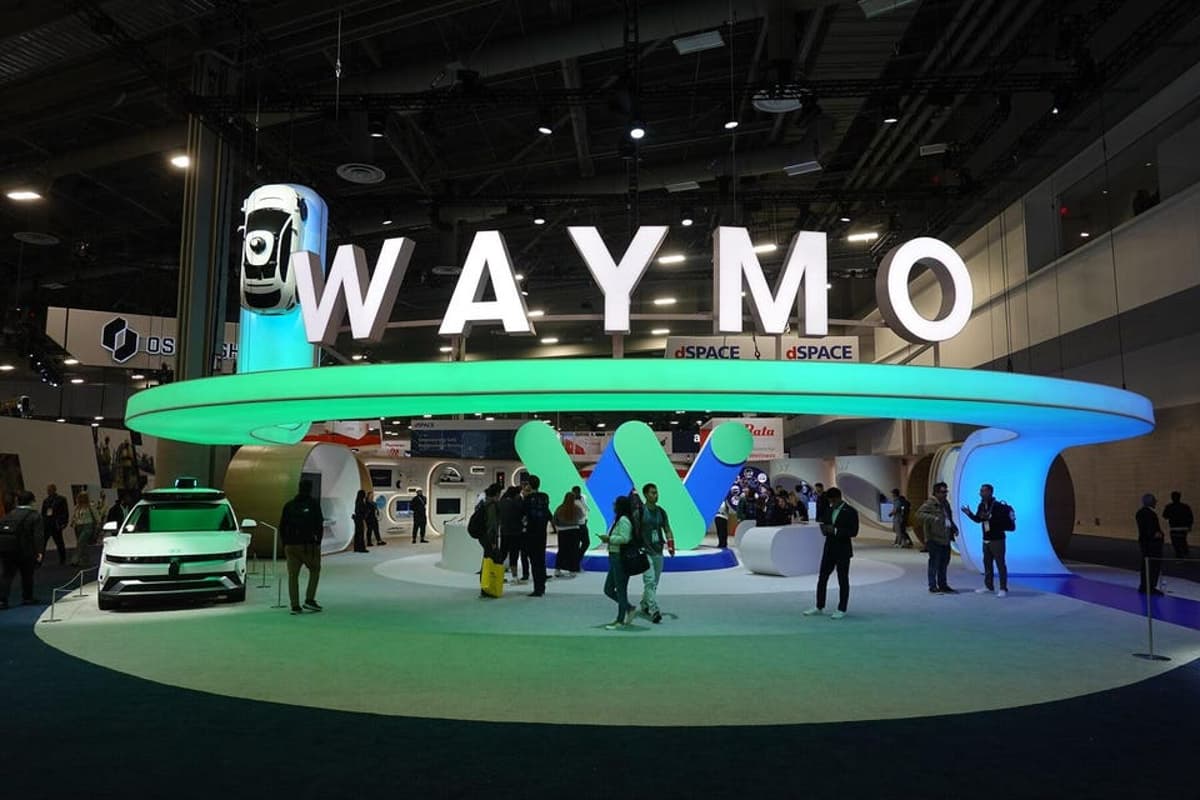
Waymo Gets Shy As Scaling Creates More Incidents; Plus Key New Details
•March 6, 2026
0
Key Takeaways
- •Incident reports rose 45% after fleet expansion.
- •Waymo limited data sharing amid rising public scrutiny.
- •New blackout protocol restricts autonomous operation during outages.
- •School bus trials face parental safety concerns nationwide.
Summary
Waymo’s autonomous‑vehicle fleet has accelerated its rollout, but the rapid scaling has coincided with a sharp uptick in reported incidents. The company has become more reticent about publishing detailed safety data, prompting criticism from analysts and regulators. New information reveals a blackout protocol that disables certain functions during power outages and pilot programs involving autonomous school buses that have sparked parental concerns. These developments highlight the tension between growth ambitions and the need for transparent safety oversight.
Pulse Analysis
Waymo’s aggressive expansion strategy has pushed its autonomous fleet from a few dozen test vehicles to hundreds operating in diverse urban environments. While scale promises economies of motion and richer data for algorithmic refinement, the company has logged a 45% increase in incident reports over the past six months. Analysts argue that the higher exposure amplifies edge‑case encounters, and the resulting safety signals demand more rigorous public reporting. By curbing detailed disclosures, Waymo risks alienating stakeholders who rely on transparent metrics to gauge risk.
Regulators and consumer groups are watching Waymo’s data‑sharing posture closely. In the United States, the National Highway Traffic Safety Administration (NHTSA) has signaled intent to tighten reporting requirements for autonomous systems, especially after high‑profile crashes. Waymo’s decision to limit incident data may trigger investigations or compel the firm to adopt standardized safety dashboards. Competitors that maintain open safety logs could leverage this gap to win trust, positioning transparency as a competitive differentiator in the autonomous‑vehicle market.
The latest operational details add further complexity. Waymo introduced a blackout protocol that automatically disables certain autonomous functions when power grids experience outages, aiming to prevent uncontrolled behavior. Simultaneously, pilot programs testing driverless school buses have encountered parental pushback over perceived safety gaps, especially concerning child‑specific scenarios. These initiatives illustrate the delicate balance between innovation and societal acceptance; successful navigation will require robust safety engineering, clear communication, and proactive engagement with regulators and communities.
Comments
Want to join the conversation?