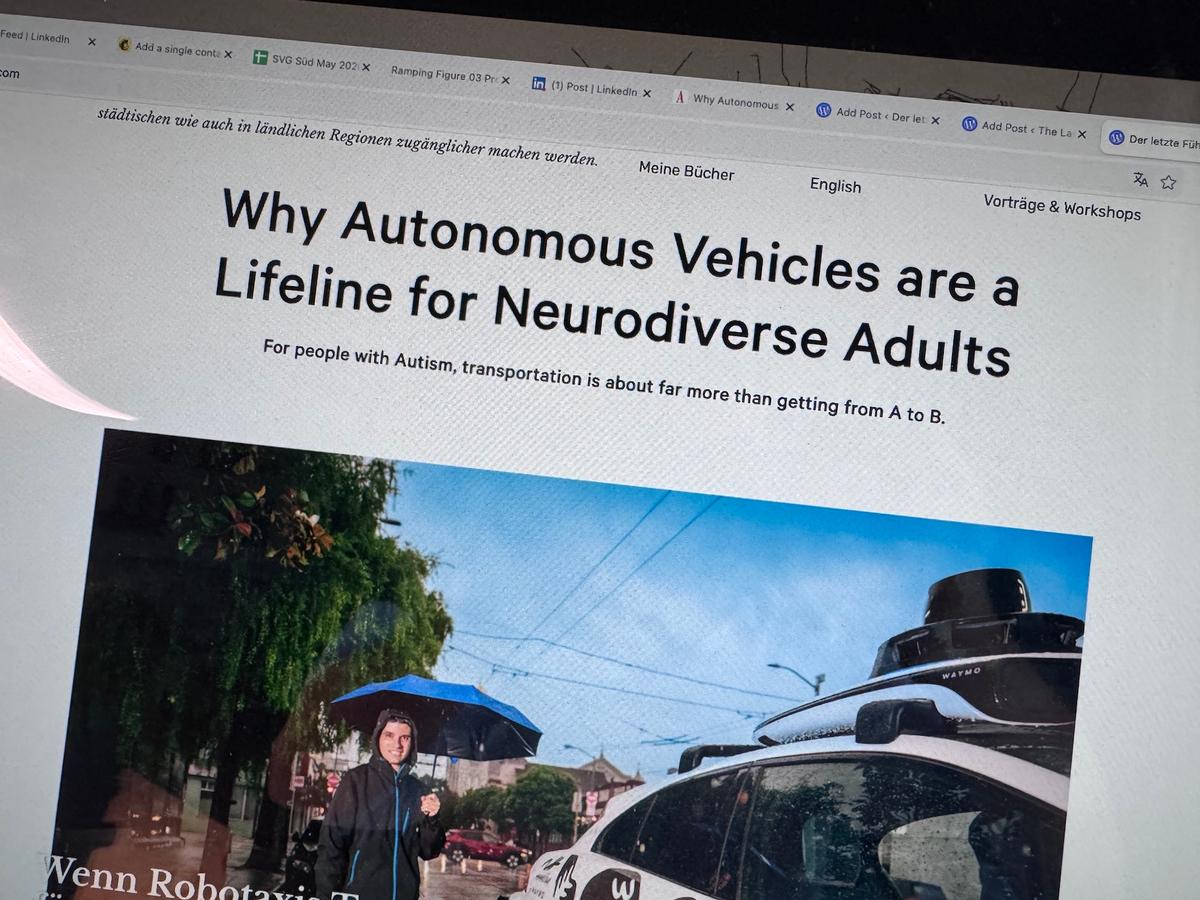
When Robotaxis Make Transportation Accessible For People With Autism
Key Takeaways
- •Waymo secured California driverless license with backing from 80+ groups.
- •Robotaxis eliminate driver interaction, easing travel for autistic passengers.
- •Personalized controls let users set music, temperature, and route.
- •Independent mobility expands market reach and fulfills accessibility mandates.
Pulse Analysis
Waymo’s 2024 California driverless‑taxi license application marked a turning point for inclusive mobility. The company secured endorsements from over 80 organizations—ranging from the Association for the Blind to Mothers Against Drunk Driving—signaling that regulators and advocacy groups are aligning around accessibility. This coalition not only smooths the path for regulatory approval but also pressures competitors to embed universal‑design principles into their autonomous fleets, reshaping the broader robotaxi landscape.
For neurodivergent users like Christopher Hamilton, traditional public transit can be a sensory minefield. Crowded platforms, unpredictable driver conversations, and lack of environmental control often trigger anxiety. Waymo’s robotaxis replace the human driver with an intuitive touchscreen that lets riders select music, adjust temperature, and confirm routes without speaking. The vehicle’s exterior display of the passenger’s initials adds a layer of personal identification, reducing the need for parental coordination and fostering true independence for autistic adults and youth.
The implications extend beyond a single demographic. Demonstrating that autonomous vehicles can serve people with specific accessibility needs unlocks a sizable market segment previously overlooked by ride‑hailing services. Investors are taking note, as inclusive design can drive higher utilization rates and justify premium pricing. Moreover, policymakers may adopt similar endorsement models, encouraging other manufacturers to seek support from disability and safety groups. As robotaxi adoption scales, the industry’s ability to cater to diverse mobility requirements will become a key differentiator in the race for market share.
When Robotaxis Make Transportation Accessible For People With Autism
Comments
Want to join the conversation?