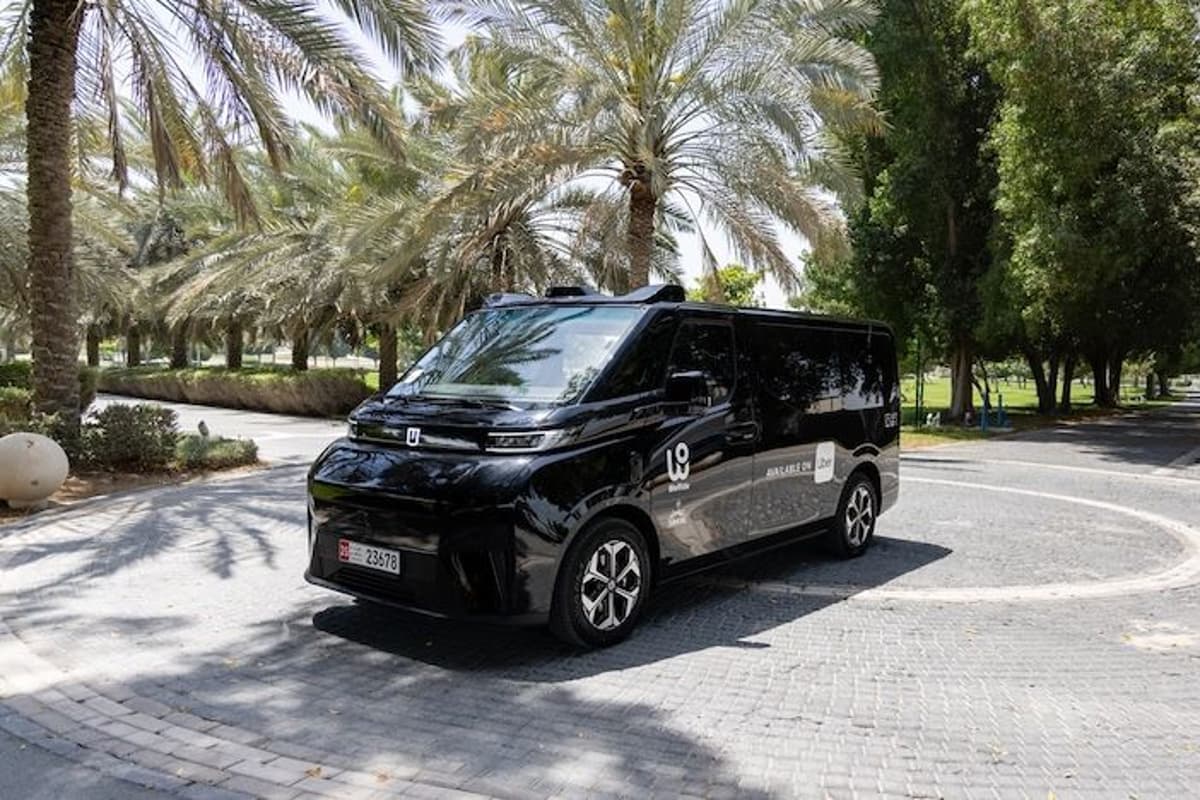
Abu Dhabi Expands Robotaxi Network to New Districts
•February 10, 2026
0
Why It Matters
The expansion accelerates Abu Dhabi’s smart‑mobility agenda, cutting emissions and showcasing a scalable autonomous‑transport model for the Gulf region.
Key Takeaways
- •Robotaxi service now covers four additional Abu Dhabi districts
- •Trip volume grew 150% in 2025, maintaining 99.9% safety
- •WeRide and Uber partner with local operator Tawasul Transport
- •Expansion supports emirate’s carbon‑reduction and smart mobility goals
- •Infrastructure upgrades target connectivity and monitoring for autonomous fleets
Pulse Analysis
Abu Dhabi’s latest robotaxi rollout underscores the emirate’s ambition to become a benchmark for autonomous mobility in the Middle East. By extending service to Khalifa City, Masdar City and Rabdan, and linking the iconic Corniche with Sheikh Zayed Grand Mosque, the Integrated Transport Centre (ITC) is weaving driverless vehicles into the fabric of daily commutes. This geographic diversification not only broadens coverage for residents and tourists but also tests the scalability of autonomous fleets across varied urban layouts, from high‑density districts to emerging smart‑city zones.
Performance data from the past year reveals a robust market response: trip numbers surged 150% in 2025 while the fleet upheld a 99.9% safety rate. The partnership between global players WeRide and Uber, backed by local operator Tawasul Transport, blends cutting‑edge technology with regional expertise, creating a compelling mobility‑as‑a‑service offering. Such metrics signal strong consumer acceptance and provide a data‑rich foundation for future regulatory frameworks, positioning Abu Dhabi as a testing ground for autonomous vehicle standards in the GCC.
Beyond convenience, the robotaxi expansion aligns with Abu Dhabi’s sustainability targets. Autonomous electric vehicles reduce per‑kilometre carbon output, supporting the emirate’s pledge to lower emissions and improve air quality. Ongoing upgrades to monitoring, connectivity and control systems—spearheaded by the Smart and Autonomous Systems Council—ensure a resilient infrastructure capable of handling larger fleets. As the city scales its autonomous fleet, it not only enhances urban livability but also signals to investors that the region is ready for next‑generation transport solutions, potentially reshaping mobility strategies across the broader Middle East market.
Abu Dhabi expands robotaxi network to new districts
0
Comments
Want to join the conversation?
Loading comments...