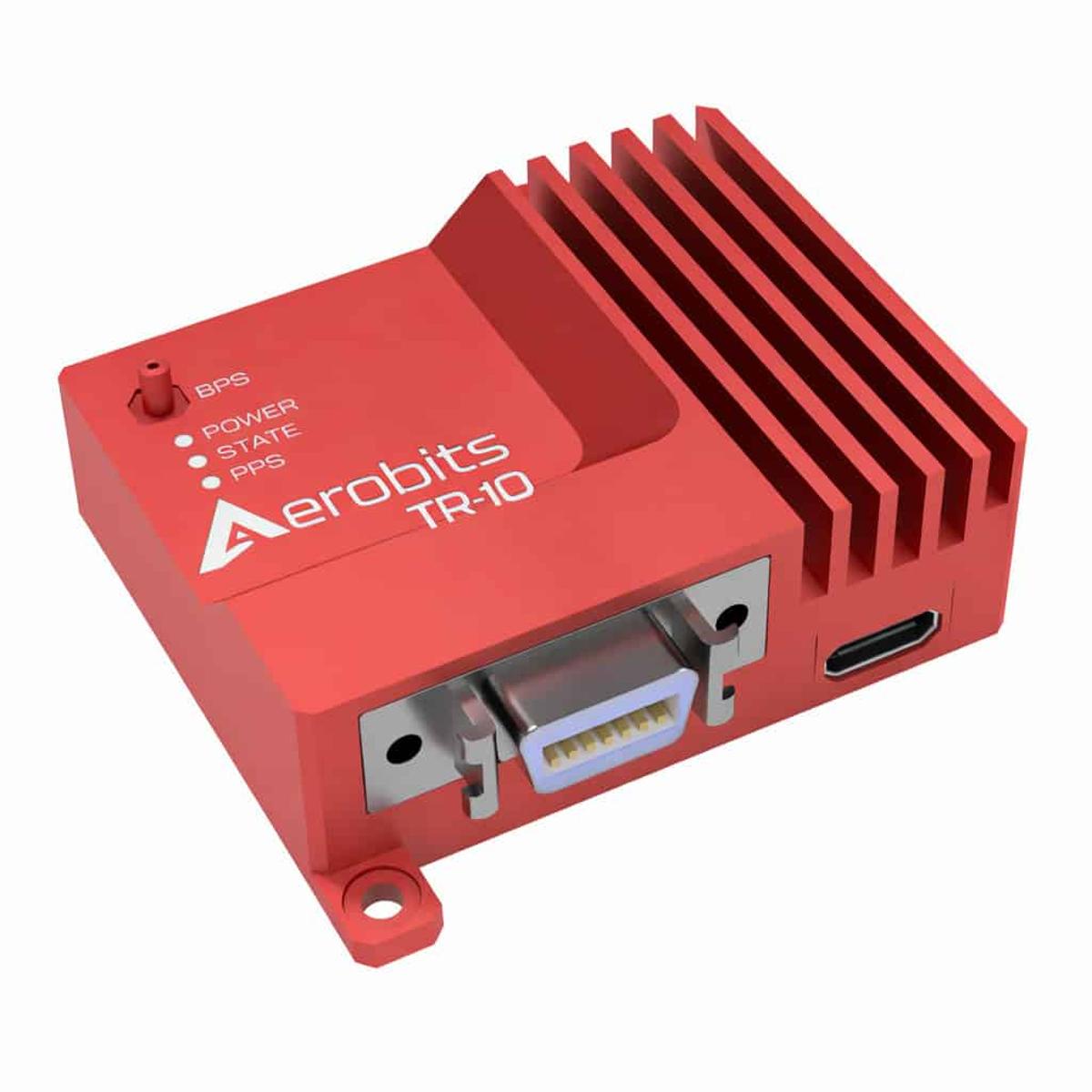
Aerobits Launches TR-10 Transponder Pre-Sale & Enhances Drone Visibility for Controlled Airspace
•February 26, 2026
0
Why It Matters
The TR‑10 gives drone operators a lightweight, cost‑effective way to meet mandatory transponder rules, accelerating UAS integration into controlled airspace and reducing compliance risk.
Key Takeaways
- •75 g weight, minimal payload impact
- •+40 dBm output, 150 replies per second
- •Supports Mode A/C/S, optional ADS‑B squitter
- •UART, CAN, USB‑C interfaces simplify OEM integration
- •Designed for BVLOS, U‑Space, high‑density airspace
Pulse Analysis
Regulators worldwide are tightening requirements for unmanned aircraft operating in controlled skies, mandating transponder capability in designated zones. Aerobits’ TR‑10 arrives at a time when the market lacks a compact, low‑weight solution that can retrofit existing professional drones. By delivering Mode A/C/S and optional ADS‑B out in a 75‑gram package, the device bridges the gap between compliance and performance, allowing operators to enter Transponder Mandatory Zones without redesigning airframes.
From a technical perspective, the TR‑10’s +40 dBm transmit power and wide dynamic range enable reliable detection of weak interrogation signals, crucial for long‑range BVLOS missions. Its 150‑reply‑per‑second rate ensures continuous visibility even in congested airspace. Integration is streamlined through UART, CAN (ARINC‑825), and USB‑C interfaces, while a full AT command set reduces development cycles for OEMs. This combination of high‑power output, lightweight design, and plug‑and‑play connectivity positions the TR‑10 as a practical upgrade for U‑Space platforms seeking to meet ICAO‑aligned messaging standards.
Looking ahead, the TR‑10 could set a new benchmark for drone transponder technology, prompting competitors to prioritize miniaturization and power efficiency. As more operators adopt BVLOS and U‑Space services, demand for affordable, interoperable transponders will rise, potentially accelerating the rollout of integrated air traffic management solutions. Aerobits’ early market entry may secure a strategic foothold, influencing industry standards and shaping the future of safe, scalable drone operations in regulated airspace.
Aerobits Launches TR-10 Transponder Pre-Sale & Enhances Drone Visibility for Controlled Airspace
0
Comments
Want to join the conversation?
Loading comments...