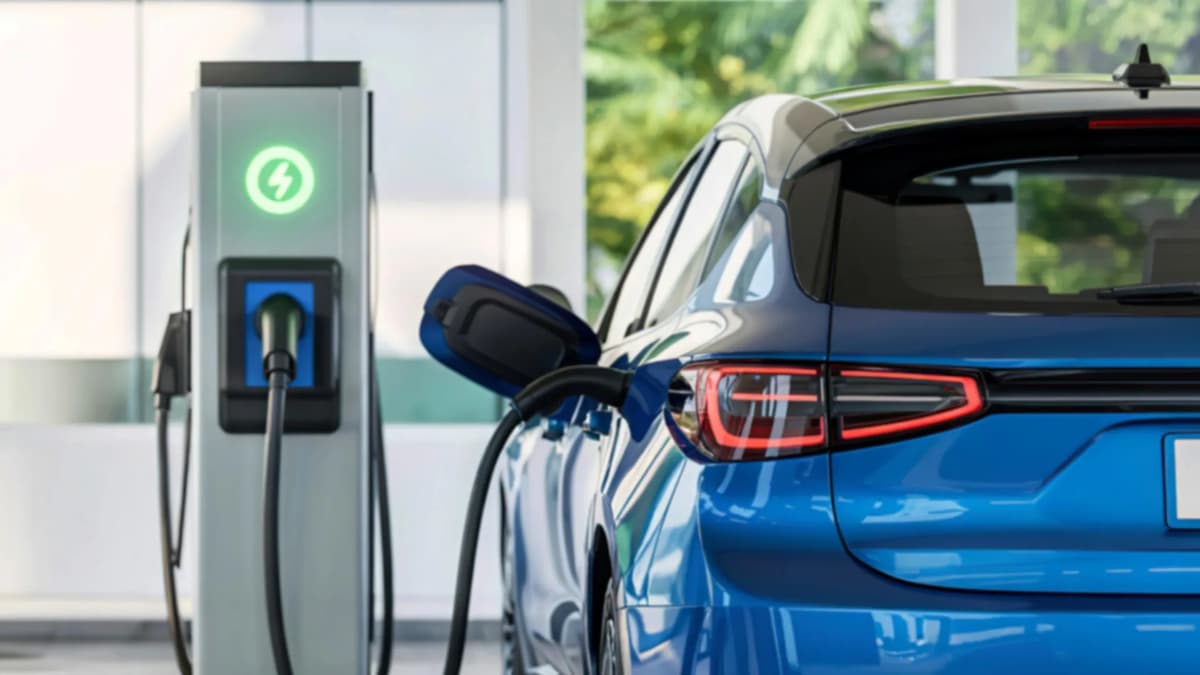
AI Breakthrough Could Replace Rare Earth Magnets in Electric Vehicles
•February 19, 2026
0
Companies Mentioned

Why It Matters
Replacing rare‑earth magnets could dramatically lower electric‑vehicle costs and reduce supply‑chain vulnerabilities, strengthening U.S. manufacturing competitiveness. It also accelerates the transition to greener energy systems.
Key Takeaways
- •AI cataloged 67,573 magnetic compounds.
- •25 new high‑temperature magnets identified.
- •Reduces reliance on rare‑earth elements.
- •Lowers EV cost and boosts US manufacturing.
- •Database accelerates materials discovery for clean energy.
Pulse Analysis
Artificial intelligence is reshaping materials science by turning vast, fragmented literature into actionable data. The Northeast Materials Database demonstrates how large‑language models can ingest thousands of papers, extract experimental parameters, and predict magnetic properties at scale. This approach cuts discovery cycles from years to months, enabling researchers to focus on synthesis and testing rather than data mining. By mapping the magnetic landscape, AI uncovers hidden candidates that traditional trial‑and‑error methods would miss, positioning the United States to lead in next‑generation magnet technology.
For the electric‑vehicle sector, magnet cost is a hidden driver of vehicle price and performance. Rare‑earth elements such as neodymium and dysprosium are expensive, geopolitically sensitive, and environmentally taxing to mine. The newly identified high‑temperature magnets could operate without these critical inputs, allowing manufacturers to design lighter, more efficient drivetrains while reducing reliance on imported supplies. Early adopters may see a 10‑15% cost reduction in motor assemblies, translating into lower consumer prices and faster EV adoption rates, especially as regulatory pressures mount for zero‑emission transportation.
Beyond automotive applications, the AI‑enabled database sets a precedent for interdisciplinary research and education. Universities can leverage the platform to train students in data‑driven materials discovery, while policymakers gain a transparent view of emerging sustainable technologies. The Department of Energy’s support signals a strategic push toward domestic, resilient supply chains. As AI models grow more sophisticated, similar databases could emerge for batteries, catalysts, and superconductors, accelerating the broader clean‑energy transition.
AI breakthrough could replace rare earth magnets in electric vehicles
0
Comments
Want to join the conversation?
Loading comments...