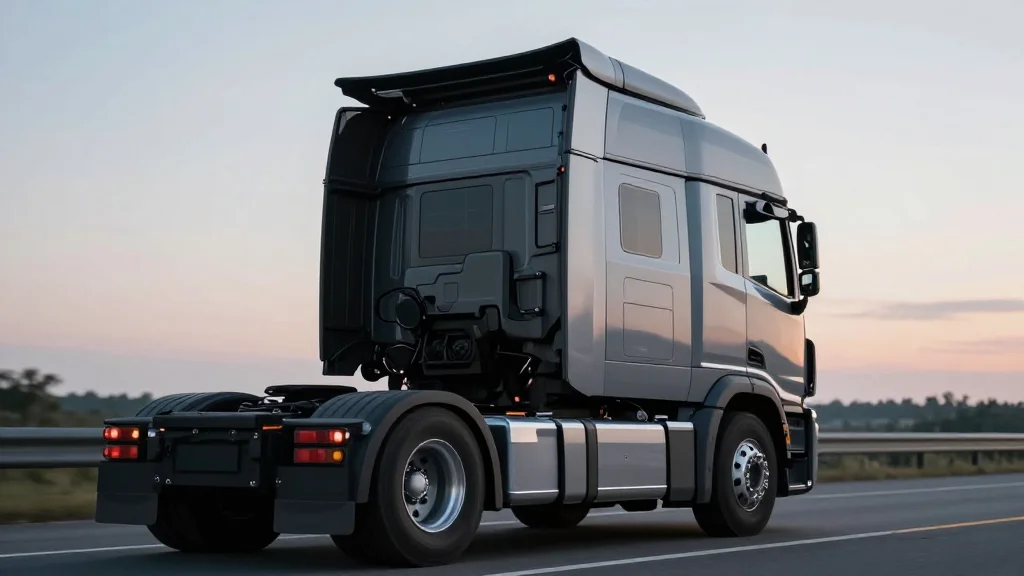
Aurora Innovation and Hirschbach Motor Lines Plan 500 Autonomous Freight Trucks

Companies Mentioned
Why It Matters
The Aurora‑Hirschbach deal could be a watershed for the autonomous trucking sector, providing a tangible revenue runway that has so far been elusive for many developers. By committing to 500 driverless trucks, Hirschbach signals that large‑scale, carrier‑level adoption is moving from pilot projects to commercial reality, potentially accelerating industry standards for safety, insurance and regulatory frameworks. If Aurora converts the announced mileage targets into paid services, it would validate the economic case for autonomous freight, encouraging other carriers and logistics firms to invest in similar technology. Conversely, failure to secure binding terms or deliver on performance promises could reinforce doubts about the timeline for widespread driverless trucking, slowing capital inflows and delaying broader supply‑chain benefits such as reduced labor costs and lower emissions.
Key Takeaways
- •Aurora Innovation and Hirschbach Motor Lines announced a plan for 500 autonomous trucks, deliveries slated for 2027.
- •The rollout targets up to 500 million driverless miles and a multi‑year revenue opportunity in the hundreds of millions of dollars.
- •Aurora shares jumped 15.5% to $5.88, with trading volume 208% above the three‑month average.
- •The agreement is non‑binding; final commercial terms and binding contracts are still pending.
- •Aurora’s stock is down 41% since its 2021 IPO, highlighting the significance of this potential revenue stream.
Pulse Analysis
Aurora’s announcement arrives at a critical inflection point for autonomous freight. The sector has been dominated by proof‑of‑concept pilots, and the Hirschbach plan offers the first glimpse of a carrier‑scale deployment that could generate recurring revenue. From a financial perspective, the market’s enthusiastic reaction—reflected in a 15% stock surge and a two‑fold increase in trading volume—suggests investors are pricing in the upside of a successful commercial rollout, despite the lack of a binding contract.
Strategically, the partnership positions Aurora against entrenched rivals that have already secured binding agreements with major shippers. Waymo’s partnership with UPS and TuSimple’s contracts with major logistics firms illustrate that binding deals are becoming the benchmark for credibility. Aurora’s challenge will be to convert the announced intent into enforceable terms that lock in mileage and pricing, thereby turning a headline into a sustainable cash flow.
Looking ahead, the success of the Hirschbach fleet will hinge on three factors: regulatory clearance for driverless freight on interstate highways, demonstrable safety performance at scale, and the ability to integrate Aurora’s software stack with Hirschbach’s existing logistics operations. If these hurdles are cleared, the 500‑truck deployment could serve as a template for future carrier agreements, catalyzing a broader shift toward autonomous freight and reshaping the economics of long‑haul trucking.
Aurora Innovation and Hirschbach Motor Lines Plan 500 Autonomous Freight Trucks
Comments
Want to join the conversation?
Loading comments...