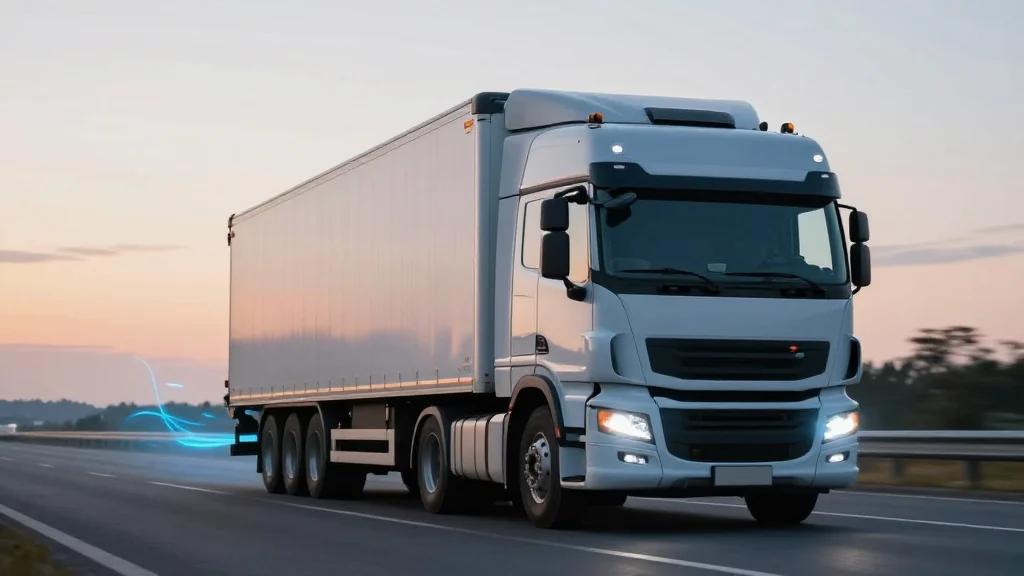
Aurora Secures 500‑Truck Autonomous Deal with Hirschbach Motor Lines

Companies Mentioned
Why It Matters
The Hirschbach order validates Aurora’s DaaS strategy and signals that large carriers are ready to commit capital to autonomous hardware when paired with a predictable operating expense. Success could unlock a cascade of similar deals, accelerating the shift from driver‑dependent logistics to fully automated supply chains. Beyond revenue, the deal tests the feasibility of autonomous trucks in temperature‑controlled transport, a segment that has lagged behind dry‑goods due to stricter service‑level agreements. Demonstrated reliability here would broaden the market for driverless technology, encouraging regulators to adopt more permissive standards and prompting other OEMs to develop specialized autonomous solutions for perishable goods.
Key Takeaways
- •Aurora to deliver 500 autonomous semi‑trucks to Hirschbach Motor Lines
- •Deliveries begin in 2027 under Aurora’s Driver as a Service model
- •Hirschbach CEO Richard Stocking cites 24/7 service and driver quality‑of‑life benefits
- •Deal could generate >$1 billion in revenue for Aurora over ten years
- •First pilot run planned on Texas corridors in early 2027
Pulse Analysis
Aurora’s 500‑truck contract is more than a sales win; it is a strategic bet on a subscription‑based revenue model that could redefine how freight carriers finance autonomy. Historically, autonomous vehicle firms have struggled to monetize hardware, often relying on costly joint ventures or equity stakes in carrier fleets. By separating ownership from operation, Aurora reduces upfront risk for shippers while locking in a recurring revenue stream that scales with mileage and utilization. This mirrors the SaaS transition in enterprise software, where predictable cash flow supplants one‑off hardware sales.
The refrigerated‑freight niche adds a layer of complexity that could serve as a bellwether for broader adoption. Temperature‑sensitive cargo demands tighter scheduling and higher reliability, meaning any downtime directly translates to spoilage costs. If Aurora can meet those stringent SLAs, it will prove that Level 4 autonomy can handle the most demanding logistics use cases, compelling skeptics and regulators alike to rethink safety thresholds. Competitors will likely accelerate their own service‑based pilots, potentially sparking a wave of consolidation as smaller players seek the capital and data depth that Aurora now commands.
Looking forward, the partnership’s success hinges on three variables: regulatory clearance, sensor reliability in extreme weather, and the human‑machine interface for remaining driver oversight. Aurora’s ability to navigate these will determine whether the DaaS model becomes the industry standard or remains a niche offering. For investors, the deal offers a tangible metric to gauge market traction, while for the freight sector it presents a roadmap to mitigate driver shortages and operational volatility through scalable autonomy.
Aurora Secures 500‑Truck Autonomous Deal with Hirschbach Motor Lines
Comments
Want to join the conversation?
Loading comments...