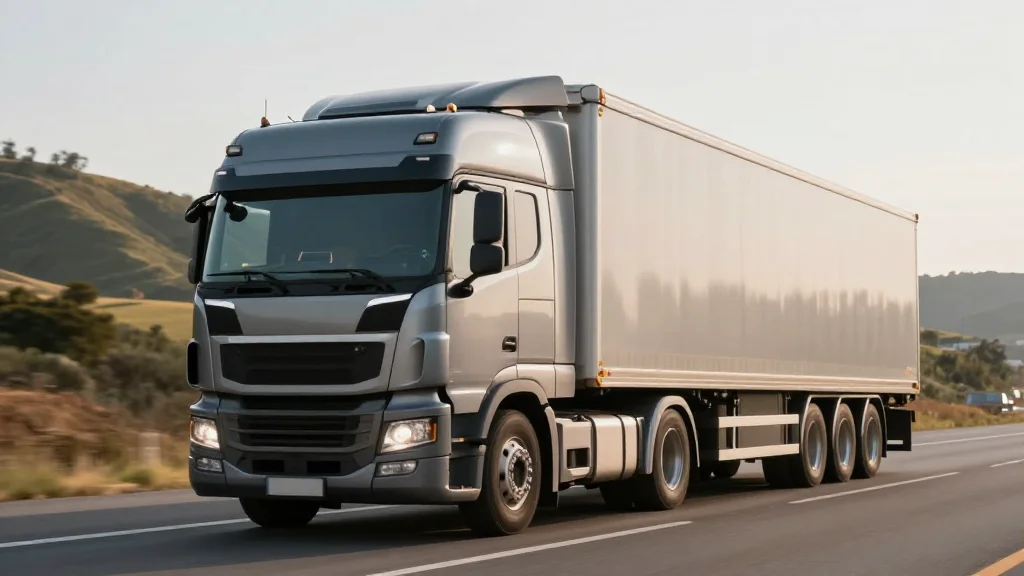
Bot Auto Completes First Fully Driverless Freight Run in the U.S.

Why It Matters
The Bot Auto delivery proves that autonomous trucks can move beyond controlled pilots into real‑world, revenue‑generating logistics. By eliminating the driver from the cab, carriers can address chronic driver shortages, reduce labor costs, and improve asset utilization, potentially reshaping the economics of long‑haul freight. The milestone also forces regulators to confront the legal and safety frameworks needed for Level 4 operations, accelerating policy development that will affect the entire supply‑chain ecosystem. If Bot Auto’s model scales, it could trigger a wave of investment in autonomous trucking platforms, prompting legacy carriers to either partner with technology firms or develop in‑house solutions. The ripple effect may extend to related sectors—port handling, warehousing and last‑mile delivery—where synchronized autonomous fleets could deliver end‑to‑end efficiency gains.
Key Takeaways
- •Bot Auto completed a 230‑mile fully driverless commercial freight run from Houston to Hutchins, Texas.
- •The shipment was booked by Ryan Transportation, marking the first paid load delivered without a driver or remote operator.
- •Bot Auto’s L4 trucks use LiDAR, cameras and AI to navigate public interstates without human supervision.
- •Company claims the technology can lower cost‑per‑mile by up to 20% and eliminate driver‑fatigue constraints.
- •The milestone pushes regulators to clarify safety and liability rules for Level 4 autonomous trucks.
Pulse Analysis
Bot Auto’s breakthrough arrives at a moment when the U.S. trucking industry faces a chronic driver shortage estimated at over 60,000 vacancies. By proving that a commercial load can be moved profitably without a cab driver, Bot Auto offers a tangible solution to a problem that has long limited capacity growth. The company’s focus on a pure‑revenue model—no demonstration, no remote operator—signals confidence that the technology can meet FMCSA safety standards, but it also places the onus on regulators to validate that confidence.
Historically, autonomous trucking pilots have relied on safety drivers or remote operators, limiting scalability and inflating costs. Bot Auto’s approach cuts those overheads, potentially delivering the cost‑per‑mile reductions that shippers demand. If the company can sustain profitability on each mile, it will force incumbents like J.B. Hunt and Schneider to accelerate their own autonomous programs or risk losing high‑frequency lanes to tech‑first entrants. The partnership with Ryan Transportation, a broker with an established carrier network, demonstrates a viable go‑to‑market strategy that leverages existing logistics relationships rather than building a new customer base from scratch.
Looking ahead, the next inflection point will be regulatory clarity. The FMCSA’s ongoing rulemaking on autonomous vehicle operations will determine whether Bot Auto can expand beyond a single corridor. Moreover, the industry will watch how insurance carriers price risk for driverless trucks and whether liability frameworks can accommodate fully autonomous incidents. Should these hurdles be cleared, Bot Auto’s model could catalyze a cascade of autonomous freight services, reshaping supply‑chain dynamics and setting a new baseline for freight cost structures across North America.
Bot Auto Completes First Fully Driverless Freight Run in the U.S.
Comments
Want to join the conversation?
Loading comments...