China Pushes Level‑4 Autonomous Robovans Into Urban Delivery and Long‑Haul Freight

Companies Mentioned
Why It Matters
The deployment of Level‑4 autonomous logistics in China could reshape global supply chains by demonstrating that driverless, electric freight can operate profitably at scale. If the payback claims hold true, shippers worldwide may accelerate investments in similar technology, compressing labor costs and reducing emissions. Furthermore, China's aggressive policy support and rapid commercialization provide a benchmark for other governments grappling with regulatory frameworks for autonomous vehicles. Success—or failure—will inform standards, safety protocols, and public acceptance in markets from Europe to North America.
Key Takeaways
- •MINIEYE's Bamboo Robovan T5 Pro is the first mapless L4 uncrewed logistics vehicle, priced under $20,000.
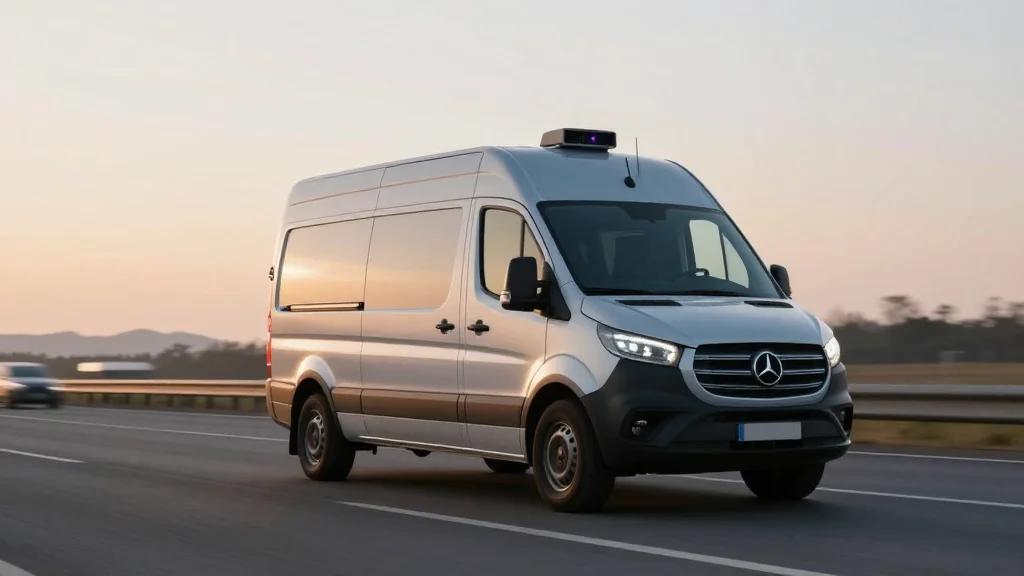
- •The new robovan models are already operating in 18 Chinese cities and target urban delivery with 5 m³ cargo space.
- •Carl Dynamics' KargoBot Space adds 25% cargo space and 10% transport efficiency, capable of 2,000 km autonomous travel per day.
- •KargoBot has logged over 1.4 billion ton‑kilometres, highlighting rapid adoption in long‑haul freight.
- •Battery‑swap partnership with CATL enables continuous operation, reducing downtime for electric freight trucks.
Pulse Analysis
China’s push to commercialize Level‑4 autonomous logistics reflects a strategic convergence of electrification, AI, and state policy. The mapless approach championed by MINIEYE sidesteps the costly high‑definition mapping infrastructure that has hampered deployments elsewhere, suggesting a new pathway for rapid scaling. By focusing on payload‑centric designs—removing driver seats and cab structures—manufacturers are extracting every cubic metre of space, directly translating to higher revenue per mile.
Historically, autonomous freight has been hampered by regulatory inertia and the high cost of sensor suites. The Beijing auto show announcements indicate that Chinese firms have reached a tipping point where the economics of labor savings outweigh the capital outlay for sensors and batteries. If the projected payback periods materialize, we can expect a cascade effect: logistics firms will re‑engineer fleets around autonomous modules, and traditional OEMs will be forced to partner or compete directly with tech‑first companies like MINIEYE and QCraft.
Looking ahead, the biggest uncertainty lies in safety validation and public trust. Mapless navigation relies heavily on real‑time perception and AI decision‑making, which regulators worldwide have yet to codify. China’s ability to set a regulatory precedent could either accelerate global adoption or create a fragmented standards landscape. For investors, the next six months will be a litmus test: successful commercial runs could unlock a multi‑billion‑dollar market, while setbacks may temper enthusiasm for autonomous freight outside China.
China Pushes Level‑4 Autonomous Robovans Into Urban Delivery and Long‑Haul Freight
Comments
Want to join the conversation?
Loading comments...