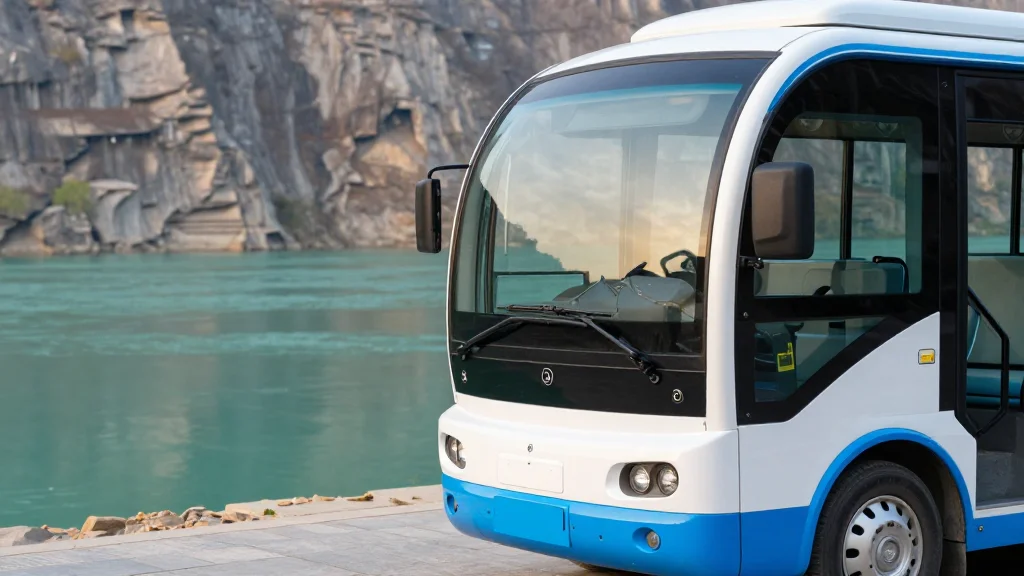
China Unveils Self‑Driving Tourist Fleets at Yellow River UNESCO Geopark Event

Why It Matters
The deployment of self‑driving tourist fleets at a high‑profile UNESCO geopark illustrates how autonomous technology is moving from pilot projects to consumer‑facing services in China. By integrating driverless vehicles with cultural tourism, the initiative tests operational reliability in remote, ecologically sensitive areas while generating economic uplift for local communities. Success could encourage other provinces to adopt similar models, accelerating nationwide acceptance of autonomous mobility. Moreover, the event serves as a showcase for Chinese autonomous‑vehicle manufacturers and software providers, offering a live demonstration to potential investors and foreign partners. Demonstrating safe, scalable operations in a public setting helps address lingering safety concerns and may influence policy frameworks governing autonomous transport across the country.
Key Takeaways
- •Self‑driving tourist vehicle fleets from nine Yellow River provinces debuted at Kanbula UNESCO Global Geopark
- •Kanbula added to UNESCO Global Geoparks Network in April 2025, boosting its profile
- •Tourism packages released include ticket, voucher and lodging discounts for 2026 China Tourism Day
- •Local vendors reported increased income from heritage product sales, highlighting economic spillovers
- •Organisers plan a second wave of autonomous tours in summer 2026, potentially expanding to other UNESCO sites
Pulse Analysis
China's decision to showcase autonomous tourist fleets at a UNESCO geopark reflects a calculated effort to embed driverless technology into everyday experiences. Historically, Chinese autonomy pilots have focused on controlled environments—industrial parks, campuses, or limited urban routes. By moving the testbed to a high‑traffic, scenic tourism corridor, the government is gathering data on vehicle performance under diverse weather, altitude and wildlife conditions, which are critical for scaling to broader markets.
The regional coordination—nine provinces contributing fleets—signals a top‑down alignment that could streamline standards, data sharing and regulatory approvals. This collaborative model may give Chinese firms an edge over fragmented efforts elsewhere, allowing them to present a unified, interoperable platform to global partners. The economic narrative, reinforced by the villager's quote about rising incomes, adds a social dimension that policymakers can leverage to justify further investment.
Looking ahead, the success metrics from this deployment—safety incidents, passenger satisfaction, and operational costs—will likely inform the next wave of public autonomy projects, including city shuttles and intercity buses. If the pilot demonstrates reliability, we can expect accelerated rollout timelines, increased private capital inflow, and potentially new export opportunities for Chinese autonomous‑vehicle technology. The event thus marks a pivotal moment where autonomous mobility transitions from niche trials to a mainstream tourism offering, setting the stage for broader societal adoption.
China Unveils Self‑Driving Tourist Fleets at Yellow River UNESCO Geopark Event
Comments
Want to join the conversation?
Loading comments...