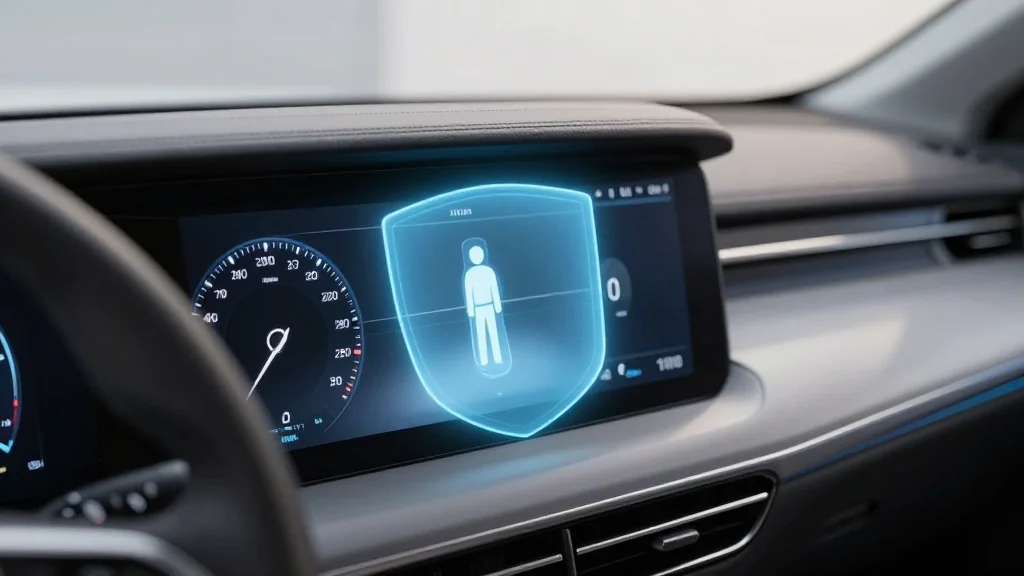
Connected Cars Harvest Your Data – How to Guard Your Privacy in 2026

Why It Matters
Connected‑car data is a double‑edged sword: it fuels safety innovations and personalized services, yet it also creates a detailed portrait of an individual’s movements and habits that can be exploited by advertisers, insurers or malicious actors. As autonomous driving technology matures, the volume and granularity of data will only increase, making privacy safeguards essential to maintain consumer trust and avoid regulatory penalties. Failure to address these concerns could stall adoption of autonomous features that depend on real‑time data sharing. Moreover, the automotive sector is becoming a battleground for data ownership. Automakers, tech firms and insurers are all vying for access to vehicle telemetry, and the rules governing that access will shape the competitive landscape for years to come. Clear privacy practices will differentiate brands that respect user consent from those that treat data as a commodity, influencing market share in an increasingly data‑centric mobility ecosystem.
Key Takeaways
- •Infotainment, GPS, LiDAR and black‑box systems in 2026 cars collect location, driving‑habit and sensor data by default.
- •ZDNet recommends auditing privacy settings, disabling non‑essential Bluetooth/Wi‑Fi, and requesting data‑deletion reports.
- •Regulators in the EU and U.S. are drafting consent and retention rules that could force manufacturers to redesign data flows.
- •Privacy‑mode features and aftermarket signal blockers are emerging tools to limit data exposure.
- •Consumer control over vehicle data will become a key differentiator as autonomous‑driving services expand.
Pulse Analysis
The privacy dilemma in connected cars mirrors the broader tension between data‑driven innovation and user consent that has defined the tech sector for the past decade. Early adopters of telematics embraced the convenience of over‑the‑air updates and predictive maintenance, but the industry now faces a backlash similar to that seen in smartphones and social media. The ZDNet article underscores that most drivers are unaware of the depth of data collection, a gap that manufacturers have historically exploited to monetize telemetry through insurance discounts, targeted advertising and fleet‑management analytics.
From a market perspective, the push for stricter privacy controls could reshape revenue streams. Companies that have built business models around selling aggregated vehicle data may need to pivot toward value‑added services that respect opt‑in frameworks. Conversely, firms that invest early in privacy‑by‑design architectures could capture a premium segment of privacy‑conscious consumers, especially as autonomous driving features become mainstream and data granularity intensifies.
Looking forward, the regulatory environment will likely accelerate this shift. The EU’s forthcoming Vehicle Data Access Regulation (VDAR) and several U.S. state bills propose mandatory data‑port standards and explicit consent for third‑party data sharing. Automakers that pre‑emptively integrate granular consent toggles will not only avoid compliance costs but also gain a competitive edge in markets where trust is a decisive factor. In the short term, drivers can mitigate risk by following the practical steps outlined by ZDNet, but the industry must evolve toward transparent data practices to sustain the growth of autonomous mobility.
Connected Cars Harvest Your Data – How to Guard Your Privacy in 2026
Comments
Want to join the conversation?
Loading comments...