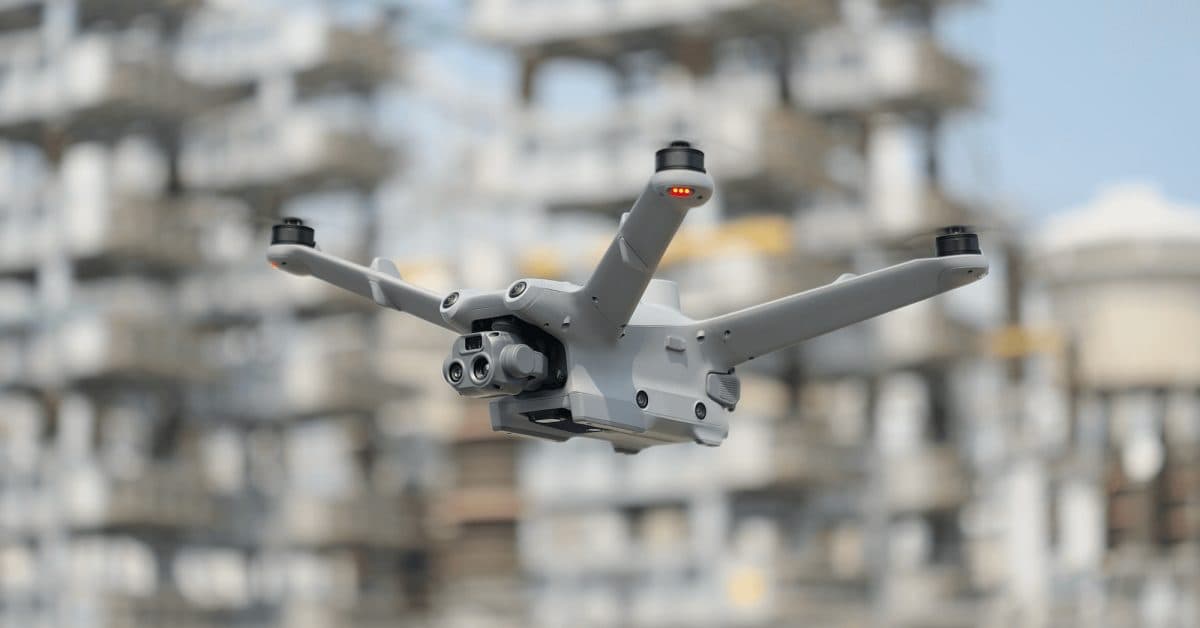
DJI Lands Game-Changing Drone Approval in Brazil
•February 12, 2026
0
Why It Matters
The authorization dramatically shortens deployment timelines for enterprise drone programs, unlocking faster ROI and scaling of autonomous inspections across Brazil and potentially other markets.
Key Takeaways
- •ANAC approves Matrice 3D series and Dock2 design
- •Design Authorization eliminates system‑level certification for BVLOS deployments
- •Operators still need CAER certificates and SARPAS flight approvals
- •Regulatory win speeds up enterprise drone rollout by months
- •Brazil's approval may influence other regulators globally
Pulse Analysis
Brazil’s decision to grant Design Authorization to DJI’s Matrice 3D and Dock 2 marks a watershed moment in the regulatory landscape for commercial drones. ANAC’s rigorous evaluation of system‑level safety, redundancy and software integrity provides a type‑approval that mirrors automotive certification, removing the need for individual operators to conduct exhaustive design reviews. This streamlines the BVLOS approval process, which has traditionally been a bottleneck for high‑frequency, remote inspections in sectors such as utilities, mining, and agriculture.
For enterprise users, the practical benefits are immediate. With the design already cleared, firms can focus resources on mission planning, data analytics, and scaling fleets rather than engineering compliance. The requirement for a Special Airworthiness Certificate (CAER) per aircraft remains, but the certificate can now be issued more quickly, and it is transferable between operators. This reduces legal overhead, shortens time‑to‑revenue, and gives finance teams clearer visibility on return‑on‑investment calculations for large‑scale drone‑in‑a‑box deployments.
The ripple effect extends beyond Brazil’s borders. ANAC is respected for its technical rigor, and its endorsement serves as a benchmark for other civil aviation authorities evaluating similar technologies. DJI’s compliance‑by‑design strategy gains credibility, positioning the company as a leader in delivering regulator‑approved autonomous platforms. As more jurisdictions reference Brazil’s framework, the industry can anticipate a cascade of approvals that transform pilot projects into standardized, globally scalable operations.
DJI lands game-changing drone approval in Brazil
0
Comments
Want to join the conversation?
Loading comments...