Drone Crashes, Severed Fingers Pose Problems for $13B Silicon Valley Military Startup
Companies Mentioned
Why It Matters
The string of accidents and alleged data manipulation threaten Shield AI’s credibility and could jeopardize future defense contracts, while highlighting broader risks in fast‑tracked military‑tech startups.
Key Takeaways
- •V‑BAT crashes over 50 times in 18 months
- •Romanian Navy officer lost two fingers in May incident
- •Shield AI valued at $12.7 billion after March funding round
- •Company faces whistleblower claims of data falsification
- •Pentagon awarded X‑BAT contract despite safety concerns
Pulse Analysis
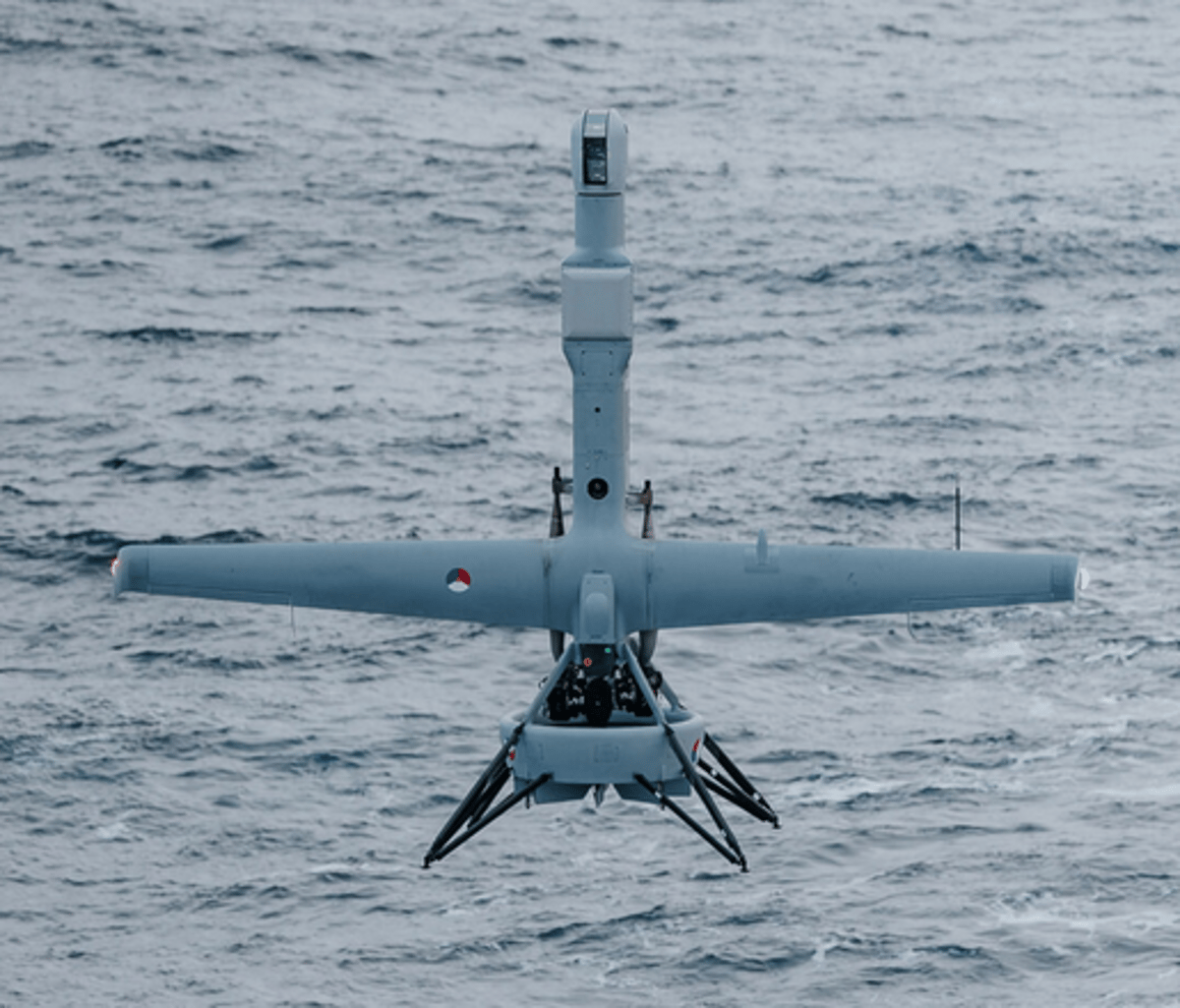
The rapid rise of Shield AI illustrates how venture capital is reshaping the defense sector, with Silicon Valley firms challenging legacy primes like Lockheed Martin. Its V‑BAT vertical‑takeoff drone, priced around $1 million, promised a low‑cost, autonomous solution for the Pentagon’s modernization push. Yet the technology’s promise is now clouded by a spate of crashes—over 50 in a year and a half—raising questions about the maturity of AI‑driven flight controls and the adequacy of testing protocols in a high‑stakes environment.
Safety concerns have moved beyond isolated mishaps to systemic allegations. Former staff filed a whistleblower complaint claiming Shield AI concealed performance shortfalls, altered mishap reports, and dismissed employees who raised alarms. The May 12 incident that severed a Romanian officer’s fingers, coupled with a near‑collision involving a Cessna, underscores the tangible human risk when safety culture is compromised. For defense customers, trust is paramount; any perception of data manipulation can trigger contract reviews, heightened oversight, or a shift back to established aerospace contractors.
Despite the controversy, Shield AI secured a Defense Innovation Unit award for its next‑generation X‑BAT, a larger “loyal wingman” drone projected to cost about $30 million per unit. The Pentagon’s willingness to fund high‑risk projects reflects a broader strategic calculus: accelerating capability gaps may outweigh the dangers of imperfect technology. Investors, however, must weigh the upside of a $12.7 billion valuation against the liability of recurring accidents and legal exposure. The outcome will likely influence how quickly the DoD embraces venture‑backed autonomous platforms and could set new standards for safety reporting in the defense tech ecosystem.
Drone Crashes, Severed Fingers Pose Problems for $13B Silicon Valley Military Startup
Comments
Want to join the conversation?
Loading comments...