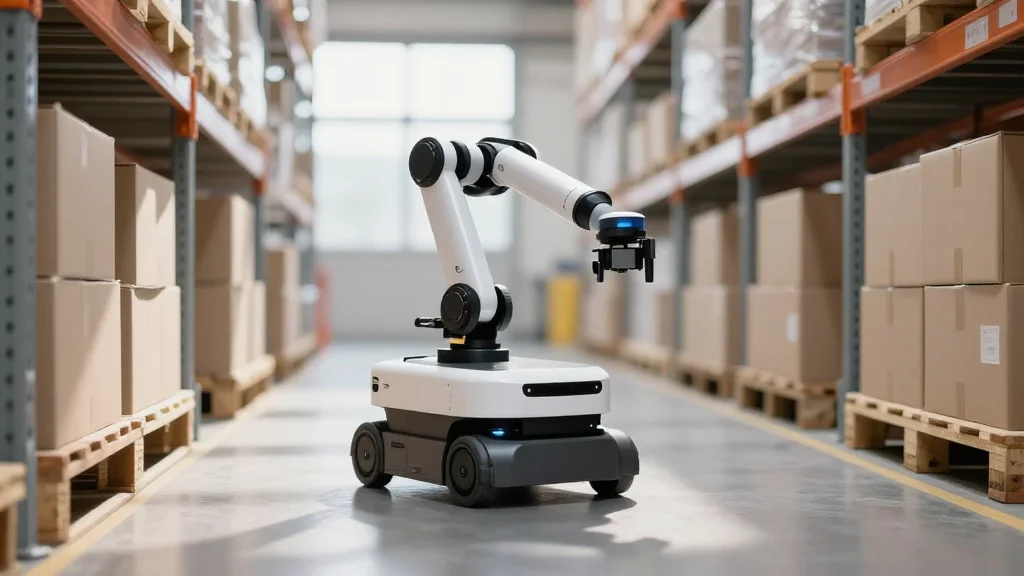
Exol Launches U.S. Robotic Fulfillment Network with Six Sites
Why It Matters
By democratizing high‑grade robotic fulfillment, Exol lowers entry barriers for mid‑size retailers and B2B sellers, reshaping the logistics competitive landscape. The service model accelerates scalability while mitigating upfront CAPEX, a critical advantage as online sales volumes surge.
Key Takeaways
- •Exol's network offers robotic fulfillment as a service across U.S.
- •Six sites will total six million square feet of automated space.
- •SoftBank and Symbotic pledged $7.5 billion to fund expansion.
- •Atlanta hub can process 10 million parcels annually.
- •Companies avoid upfront automation costs by plugging into Exol.
Pulse Analysis
The logistics sector is at a tipping point as labor shortages and wage inflation drive firms to seek automation. Traditional warehouse upgrades require multi‑year capital commitments, which many mid‑market companies cannot justify. Exol’s "fulfillment as a service" model sidesteps this hurdle, offering plug‑and‑play robotic infrastructure that can be tapped on demand, mirroring the cloud‑computing shift that transformed IT spending.
Backed by SoftBank Group International and Symbotic, Exol has secured a $7.5 billion funding pool to roll out six sites across the United States, each equipped with Symbotic’s AI‑enabled robotic systems. The first two facilities—California and a one‑million‑square‑foot hub in Atlanta—are already operational, with the Atlanta center projected to handle over one million pallets, 30 million cases, and nearly 10 million parcels per year. The planned locations in Los Angeles, Dallas, New Jersey and Chicago will collectively provide six million square feet of automated space, delivering nationwide coverage without the need for customers to own any hardware.
For retailers and B2B distributors, Exol’s service translates into faster time‑to‑market, reduced labor exposure, and a scalable cost structure that aligns with fluctuating demand cycles. As e‑commerce continues to dominate consumer behavior, firms that can quickly augment fulfillment capacity will gain a decisive edge. Analysts expect the model to spur a wave of similar "robotics‑as‑a‑service" offerings, intensifying competition among 3PLs and potentially compressing margins for traditional warehousing providers. Exol’s rollout thus signals a broader industry shift toward on‑demand, technology‑driven supply‑chain solutions.
Exol launches U.S. robotic fulfillment network with six sites
Comments
Want to join the conversation?
Loading comments...