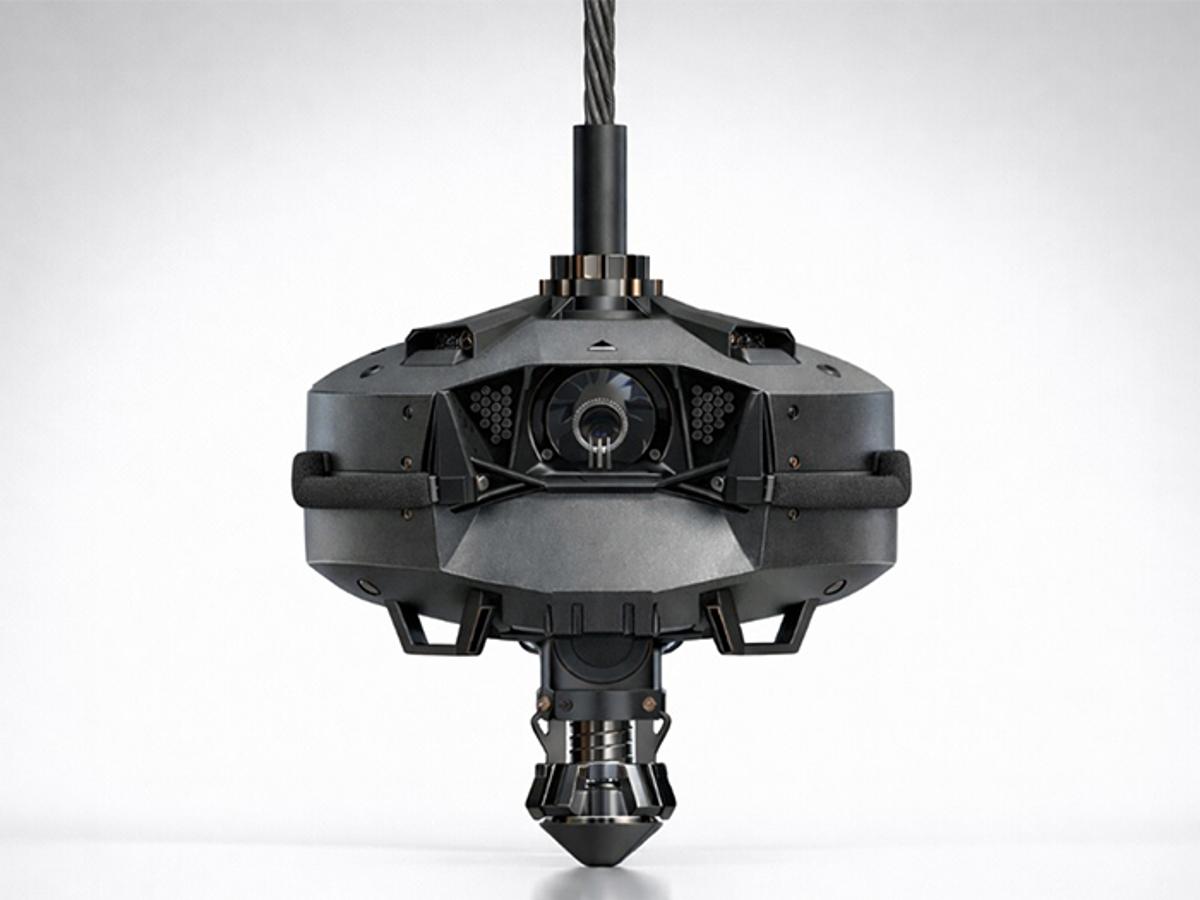
FMD’s Vestdavit Unveils New AutoHook LARS Interface
Why It Matters
AutoHook removes the safety and cost barriers of manual launch and recovery, accelerating naval adoption of unmanned surface fleets and enhancing allied interoperability. Its ability to function in higher sea states expands operational envelopes for the U.S. and NATO navies.
Key Takeaways
- •AutoHook enables fully autonomous launch and recovery up to Sea State 4
- •Compact clamp‑on davit eliminates need for vessel modifications
- •AI vision system tracks rescue boats in real time without operators
- •Designed for NATO interoperability, supporting allied unmanned surface fleets
- •Demo scheduled at 2026 Sea Air Space Expo, Booth #1337
Pulse Analysis
The maritime defense sector has long grappled with the challenge of safely launching and retrieving unmanned surface vehicles (USVs) in rough seas. Traditional LARS solutions rely on manual connections and are typically limited to Sea State 2, restricting operational flexibility and exposing crew to hazardous conditions. AutoHook, introduced by Fairbanks Morse Defense’s Vestdavit unit, represents a paradigm shift by delivering a fully autonomous, clamp‑on davit that can handle Sea State 4, effectively raising the performance ceiling for naval and allied forces.
Technically, AutoHook integrates a lightweight frame, onboard thrusters, and an AI‑powered vision system that continuously tracks the target craft’s position. By eliminating the need for winches, cradles, or extensive vessel modifications, the system reduces installation costs and footprint while delivering rapid, reliable connections. The AI component processes visual data in real time, allowing the clamp to adjust to dynamic vessel movements without human input, thereby minimizing crew exposure and enhancing mission speed. This combination of autonomy, compactness, and sea‑state resilience positions AutoHook as a next‑generation solution for the growing USV fleets being fielded worldwide.
Strategically, AutoHook aligns with NATO’s push for interoperable, unmanned maritime capabilities, offering a plug‑and‑play interface that can be adopted across allied fleets. For the U.S. Navy, the technology supports the broader shift toward distributed maritime operations, where autonomous platforms conduct surveillance, logistics, and combat tasks. The upcoming demonstration at the 2026 Sea Air Space Expo will provide stakeholders a hands‑on view of the system’s potential to streamline fleet modernization, reduce personnel risk, and expand operational reach in contested environments. As navies accelerate unmanned initiatives, solutions like AutoHook will likely become standard components of future maritime arsenals.
FMD’s Vestdavit unveils new AutoHook LARS interface
Comments
Want to join the conversation?
Loading comments...