Hesai Ships 471,000 Lidar Units in Q1 2026, Revenue Jumps 30% to $99M

Companies Mentioned
Why It Matters
Hesai’s Q1 performance demonstrates that lidar, once viewed as a niche component, is now scaling to mass‑market volumes needed for Level 3 and higher autonomy. The company’s 471,000‑unit shipment figure signals that automakers are moving beyond single‑sensor prototypes toward multi‑sensor stacks that deliver redundancy and higher perception fidelity. The strategic partnership with Mercedes‑Benz and the rollout of AI‑enabled products like Kosmo illustrate a broader industry shift: sensor makers are evolving into platform providers that capture recurring revenue from software, data, and services. This transition could improve margins across the autonomous‑vehicle supply chain and accelerate the commercial rollout of higher‑level self‑driving systems.
Key Takeaways
- •Hesai shipped >471,000 lidar units in Q1 2026, more than double YoY.
- •Revenue rose 30% YoY to $99 million, with gross margin above 39%.
- •Backlog now exceeds 6 million units, indicating strong future demand.
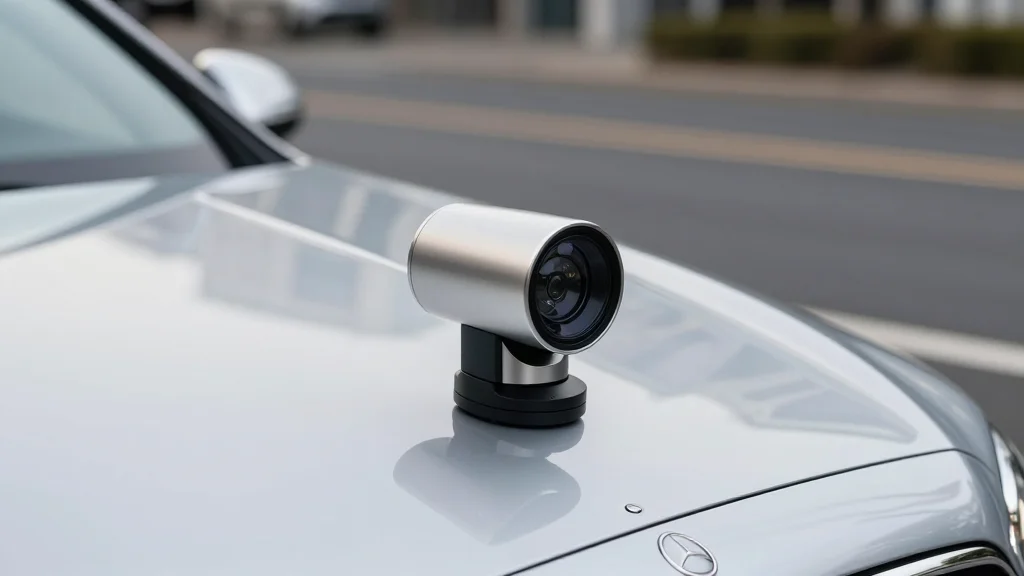
- •Secured strategic supplier deal with Mercedes‑Benz for Level 3 models.
- •Launched Picasso 6D full‑color SPAD‑SoC and Kosmo AI spatial‑intelligence device.
Pulse Analysis
Hesai’s rapid shipment growth reflects a tipping point for lidar adoption. Historically, lidar suppliers struggled to achieve economies of scale because autonomous‑vehicle programs were limited to pilot projects. The current data—over 470,000 units shipped in a single quarter—suggests that OEMs are now committing to multi‑lidar architectures, a prerequisite for reliable Level 3 and beyond. This scale is likely to compress component costs, making higher‑level autonomy financially viable for a broader range of vehicle segments.
The company’s strategic pivot toward integrated hardware‑software‑data offerings mirrors a broader trend among component suppliers seeking to capture higher‑margin recurring revenue. By bundling AI algorithms with its sensors, Hesai can monetize the data pipeline, lock in customers with subscription‑style contracts, and differentiate itself from pure‑hardware rivals. If the SGI segment can turn its current RMB 51 million loss into a profit stream by 2027, Hesai could achieve a double‑digit margin expansion, reshaping the competitive dynamics of the lidar market.
Investors should watch two key indicators: the conversion rate of the 6 million‑unit backlog into shipments and the revenue contribution from SGI initiatives. Successful execution would not only validate Hesai’s growth narrative but also signal that the lidar industry is maturing into a platform business, potentially prompting consolidation as larger automotive suppliers look to acquire end‑to‑end perception capabilities.
Hesai ships 471,000 lidar units in Q1 2026, revenue jumps 30% to $99M
Comments
Want to join the conversation?
Loading comments...