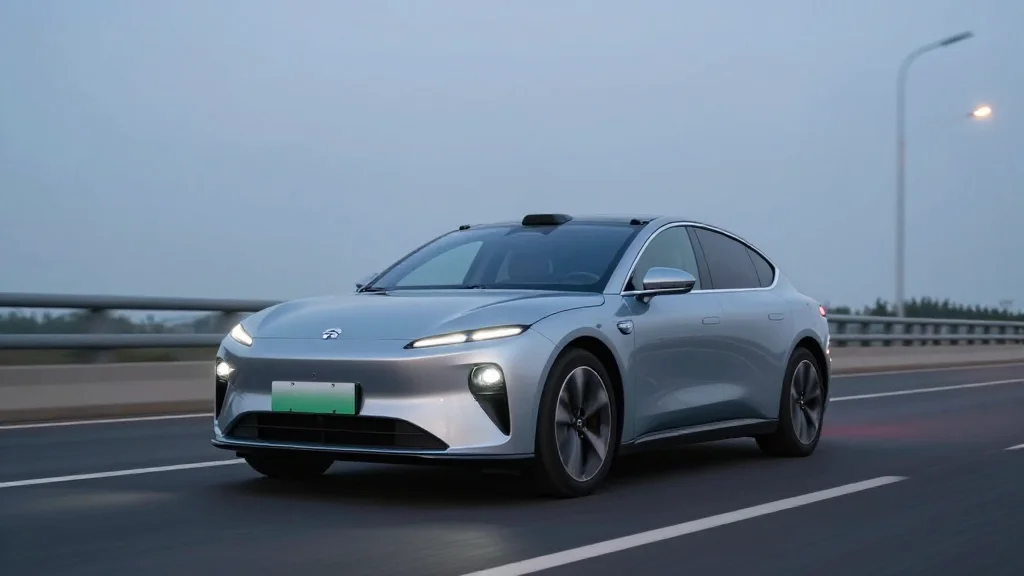
Human Error vs AI Decision-Making: The Future of Safety in Autonomous Driving
Companies Mentioned
Why It Matters
The shift redefines safety responsibility across OEMs, software providers, and regulators, making liability, security and public trust pivotal for the autonomous‑driving market’s growth.
Key Takeaways
- •AI reduces reaction time to milliseconds, cutting fatigue‑related crashes
- •Level‑4 AVs operate in geo‑fenced zones, but edge cases remain challenging
- •Cybersecurity threats like sensor spoofing could become public safety risks
- •Liability shifts from drivers to OEMs and AI developers, demanding new regulations
- •Hybrid models combining AI speed with human oversight are expected short‑term
Pulse Analysis
Human error remains the leading cause of road fatalities, accounting for roughly 90% of crashes worldwide. By leveraging high‑resolution cameras, LiDAR, radar and real‑time data analytics, autonomous systems can process environmental cues in milliseconds—far faster than a human driver’s reaction window. This speed advantage, coupled with the elimination of fatigue and emotional distraction, positions AI as a transformative safety layer that could dramatically lower collision rates as Level 4 and Level 5 vehicles gain market share.
Despite these gains, autonomous platforms confront formidable challenges. Edge cases—such as sudden construction, ambiguous lane markings, or extreme weather—still outpace the predictive models that guide AI decisions, creating safety blind spots. Moreover, the deep integration of cloud connectivity and V2X communication opens doors for cyber‑attacks, ranging from sensor spoofing to remote hijacking, which could jeopardize both occupant safety and data privacy. These technical vulnerabilities underscore the need for robust cybersecurity architectures and continuous software updates to maintain public confidence.
Regulators and manufacturers must therefore craft new liability frameworks that allocate responsibility across AI developers, OEMs, and infrastructure providers. While full Level 5 autonomy may remain years away, hybrid deployments—where AI handles routine driving and humans intervene for complex judgments—are poised to dominate the near‑term landscape. Clear governance, standardized safety metrics, and transparent risk‑sharing agreements will be essential to unlock the commercial potential of autonomous mobility and sustain investor confidence.
Human error vs AI decision-making: The future of safety in autonomous driving
Comments
Want to join the conversation?
Loading comments...