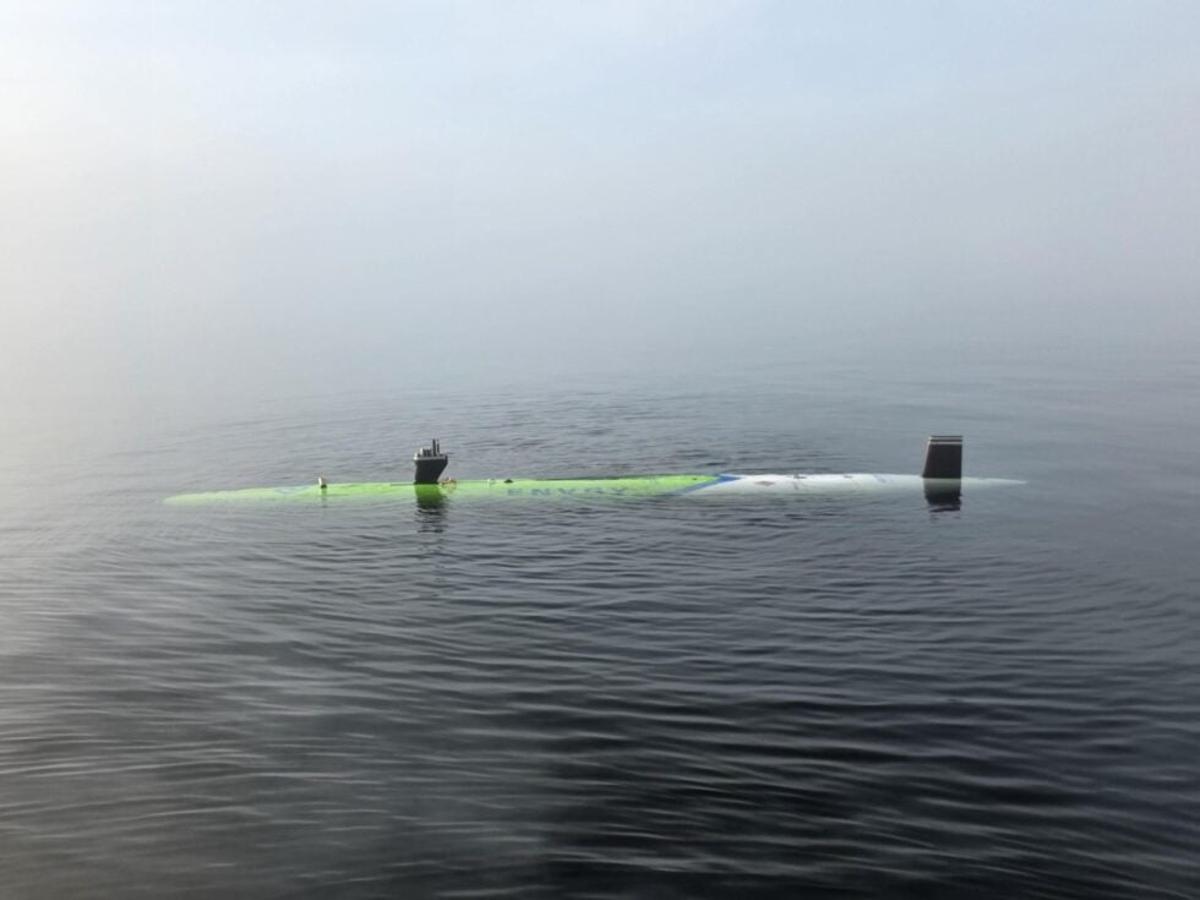
Hydrogen-Fueled AUV Breaks Range Expectations with 2,000-Kilometer Subsea Run
Why It Matters
The breakthrough proves hydrogen fuel cells can dramatically lengthen underwater missions, lowering operational costs and emissions for offshore energy and research operators.
Key Takeaways
- •Envoy AUV covered 2,023 km in 385 hours underwater.
- •Hydrogen fuel cell emitted only water as by‑product.
- •Vehicle performed 4,000+ turns, testing real‑world energy use.
- •Endurance surpasses specs, allowing fewer recoveries offshore.
- •Collaboration with Infinity Fuel Cell proves scalable hydrogen tech.
Pulse Analysis
Hydrogen fuel‑cell technology has long been touted as a game‑changer for marine applications, but real‑world validation has been scarce. The Envoy AUV’s 2,000‑kilometer run provides the first hard data that a hydrogen‑powered platform can outlast conventional battery‑driven submersibles, which typically cap out at a few hundred kilometers before resurfacing for recharge. By generating electricity through an on‑board fuel cell and only producing water, the system sidesteps the weight and volume penalties of large battery packs while delivering a clean energy profile that aligns with tightening emissions standards in offshore industries.
From an operational perspective, the extended endurance translates directly into cost savings and efficiency gains. Fewer surface recoveries mean reduced vessel time, lower crew exposure, and diminished fuel consumption for support ships. For sectors such as offshore wind, oil and gas, and subsea infrastructure inspection, the ability to keep an AUV on station for over two weeks opens up continuous monitoring scenarios that were previously impractical. Moreover, the water‑only by‑product eliminates the need for hazardous waste handling, reinforcing the environmental credentials of hydrogen as a maritime fuel.
The success also signals a maturing ecosystem of hydrogen supply chains and fuel‑cell manufacturers. Infinity Fuel Cell and Hydrogen, Inc.’s partnership with Cellula Robotics illustrates how collaborative development can accelerate commercialization. As regulatory bodies increasingly favor low‑carbon technologies, investors are likely to view hydrogen‑powered AUVs as a strategic asset. Expect to see more pilots targeting deep‑water surveys, long‑range data collection, and autonomous cargo transport, positioning hydrogen as a cornerstone of the next generation of subsea autonomy.
Hydrogen-fueled AUV breaks range expectations with 2,000-kilometer subsea run
Comments
Want to join the conversation?
Loading comments...