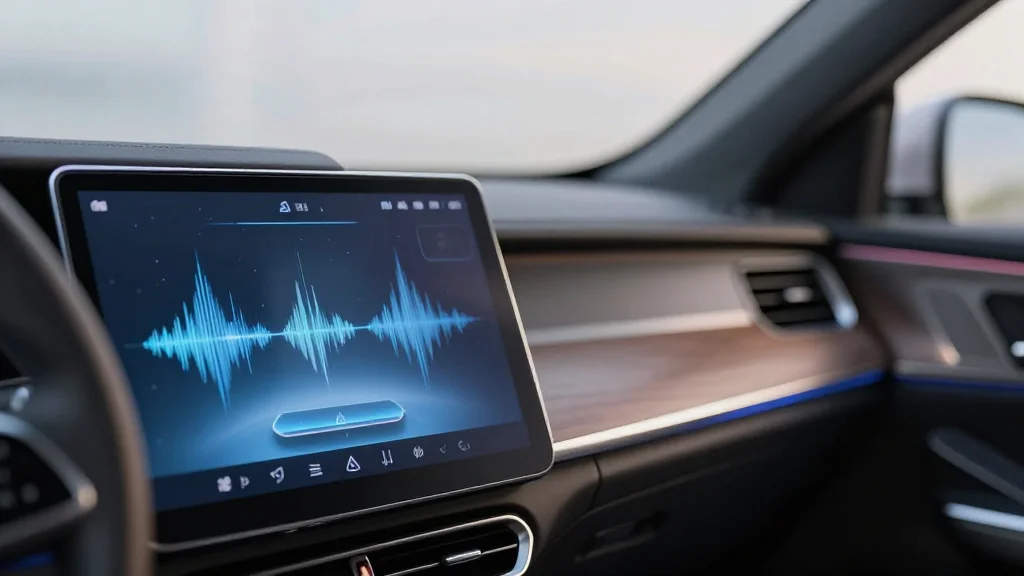
Hyundai Rolls Out AI‑Powered Pleos Connect on Software‑Defined Vehicle Platform

Companies Mentioned
Why It Matters
Hyundai’s Pleos Connect marks a concrete step toward AI‑defined vehicles, where software, data and user interaction become core differentiators rather than optional add‑ons. By embedding a dialect‑aware LLM assistant and an open app marketplace, Hyundai not only enhances driver convenience but also creates a data pipeline that can accelerate autonomous driving development. The move underscores the industry’s shift toward recurring software revenue, potentially reshaping automakers’ balance sheets and competitive dynamics. The platform’s open‑developer approach could also democratize in‑car innovation, allowing startups and established tech firms to deliver services directly to drivers. If successful, this model may pressure rivals to open their own ecosystems, accelerating a broader industry transition from hardware‑centric to software‑centric business models.
Key Takeaways
- •Hyundai starts mass production of Pleos Connect, its AI‑enabled SDV platform, in the upcoming Grandeur facelift.
- •Gleo AI, an LLM‑based voice assistant, can understand regional dialects and execute multi‑command requests.
- •An open in‑vehicle app marketplace and Pleos Playground enable third‑party developers to build services for cars.
- •Hyundai targets deployment in 20 million vehicles by 2030, with a rollout beginning in May 2024.
- •The platform aims to shift Hyundai’s revenue model toward software subscriptions and data services.
Pulse Analysis
Hyundai’s launch of Pleos Connect is more than a feature upgrade; it is a strategic bet on software as the primary growth engine for the automotive sector. Historically, automakers have relied on hardware cycles of 5‑7 years, but the integration of LLM‑driven assistants and OTA capabilities compresses that cadence, allowing continuous improvement and new revenue streams without a new car launch. Hyundai’s emphasis on dialect recognition addresses a real pain point in global markets, where voice assistants often falter with non‑standard accents, giving the brand a potential edge in regions like Southeast Asia and Latin America.
From a competitive standpoint, Hyundai’s open app marketplace mirrors the app‑store model that propelled smartphones to ubiquity. By lowering the barrier for developers through vehicle APIs, Hyundai can rapidly expand its service ecosystem, a tactic that could force rivals to accelerate similar initiatives or risk losing market share in the emerging AI‑defined vehicle space. Moreover, the data harvested from these interactions will be invaluable for training autonomous driving algorithms, potentially shortening the timeline to higher‑level autonomy.
Looking ahead, the success of Pleos Connect will hinge on user adoption rates and the quality of third‑party apps. If drivers embrace the platform and developers deliver compelling experiences, Hyundai could unlock a recurring revenue stream that rivals traditional car sales. Conversely, a lukewarm response could expose the challenges of shifting consumer expectations from a product to a service mindset. Analysts will be watching the Grandeur rollout closely as a bellwether for the broader industry’s transition toward AI‑centric mobility.
Hyundai Rolls Out AI‑Powered Pleos Connect on Software‑Defined Vehicle Platform
Comments
Want to join the conversation?
Loading comments...