Japan Is Building Military Drones Out of Cardboard, and They're Faster and Cheaper than You'd Expect
Why It Matters
Affordable, disposable drones lower the entry barrier for swarm attacks, forcing air‑defense planners to rethink cost‑benefit calculations and force structures. Japan’s pursuit of cardboard UAVs could accelerate global adoption of ultra‑low‑cost strike assets.
Key Takeaways
- •AirKamuy 150 costs about $3,000, under half Lucas price.
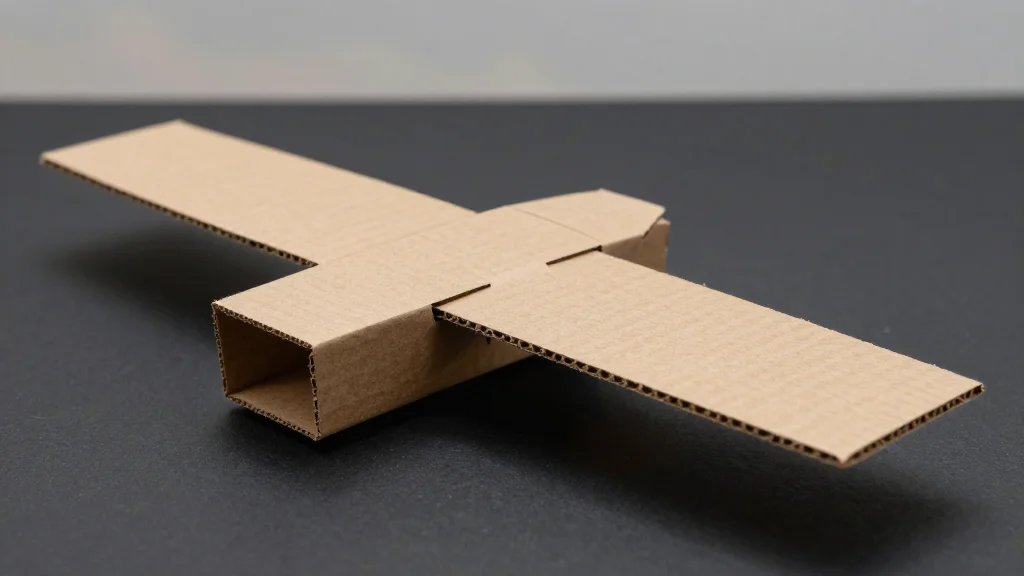
- •Cardboard airframe folds flat, enabling rapid five‑minute assembly.
- •Top speed 74 mph, slightly faster than Lucas’s 63 mph.
- •Electric power limits range to ~80 minutes, suitable for short missions.
- •Japan’s defense ministry eyes mass‑produced, low‑cost drone swarms.
Pulse Analysis
The Ukraine conflict and Iran’s Shahed attacks have highlighted how cheap, expendable UAVs can punch above their weight, prompting militaries worldwide to explore ultra‑low‑cost alternatives. Air Kamuy’s cardboard AirKamuy 150 embodies this trend, leveraging a ubiquitous material to slash production costs while retaining performance metrics that rival more expensive designs. By eliminating the need for specialized tooling and enabling five‑minute hand assembly, the platform promises rapid scalability for forces that need to field large numbers quickly, a capability that traditional aerospace supply chains struggle to match.
Technically, the AirKamuy 150 trades durability for affordability. Its corrugated airframe folds flat for transport, reducing logistical footprints, and its electric propulsion delivers a top speed of 74 mph—about 15% faster than the $10,000 Lucas drone—while limiting flight time to roughly 80 minutes. This short‑range envelope confines the drone to tactical, one‑way missions such as target practice, reconnaissance, or suicide attacks, but the low unit price makes swarm deployments economically viable. Compared with the Lucas’s 512‑mile range, the cardboard model’s constraints underscore a strategic trade‑off between reach and mass.
Strategically, the emergence of cardboard drones could reshape air‑defense doctrines. Swarm algorithms, already demonstrated in AI‑driven experiments, become more accessible when each node costs only a few thousand dollars, potentially overwhelming conventional missile interceptors. Japan’s defense ministry engagement signals a willingness to integrate such platforms into its force mix, positioning the country as a pioneer in mass‑produced, disposable UAV technology. As other nations observe the cost‑effectiveness of cardboard airframes, we may see a proliferation of similar designs, prompting a reevaluation of how militaries allocate resources between high‑value precision weapons and cheap, high‑volume strike assets.
Japan is building military drones out of cardboard, and they're faster and cheaper than you'd expect
Comments
Want to join the conversation?
Loading comments...