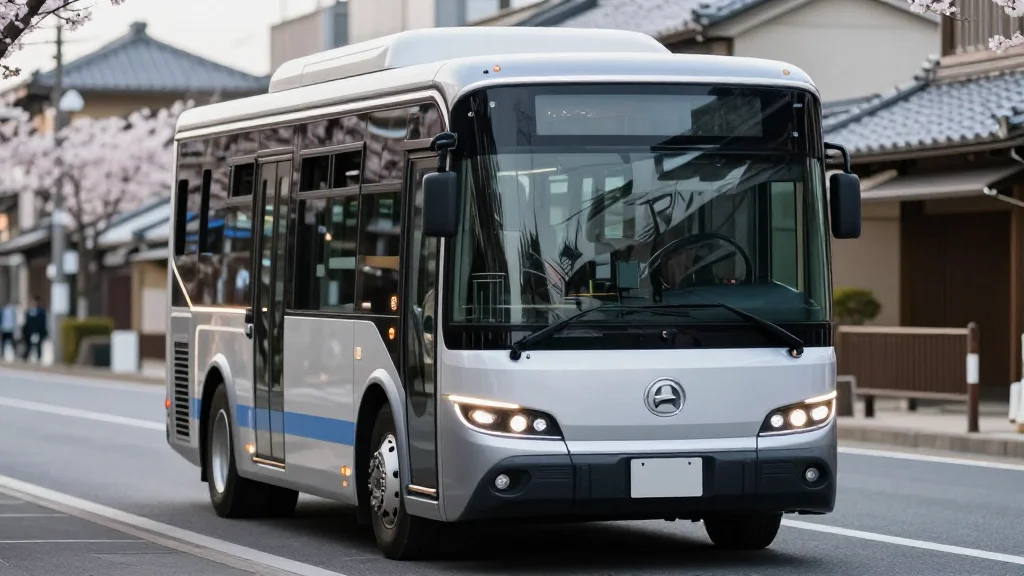
Japan’s Autonomous Bus Fleet Hits 143 Vehicles, Level‑4 Pilots Expand

Why It Matters
The surge to 143 autonomous buses demonstrates that Japan is transitioning from isolated trials to a more systematic deployment of driverless public transport, a shift that could alleviate chronic driver shortages and improve mobility for aging populations. The modest but growing share of Level 4 projects signals the beginning of fully driverless services, which, if scaled, could set a benchmark for other Asian markets facing similar demographic challenges. Moreover, the government's explicit target of 10,000 Level 4 vehicles by 2030 creates a clear policy horizon that will shape investment decisions, subsidy allocations, and technology standards. Success—or failure—to meet these goals will influence how quickly autonomous mobility can become a mainstream solution in densely populated and rural areas alike.
Key Takeaways
- •143 autonomous buses operated in FY2025, up 18 from FY2024.
- •106 demonstration projects met Level 2+ standards across Japan.
- •Level 4 pilots represent 7.5% of projects; year‑round services 12.3%.
- •Large/medium buses increased to 29 units, more than double the previous year.
- •Japan aims for 10,000 Level 4 buses, taxis and trucks by FY2030.
Pulse Analysis
Japan’s autonomous‑bus rollout reflects a classic early‑adoption curve: rapid hardware deployment paired with cautious regulatory and subsidy frameworks. The concentration of activity in Osaka, Ibaraki and Tokyo suggests that municipalities with existing tech ecosystems and event‑driven demand (such as the Osaka‑Kansai Expo) can more readily marshal the capital and expertise needed for complex trials. Meanwhile, the rise in large‑bus deployments indicates manufacturers are testing scalability, a prerequisite for the 4,000‑bus forecast for 2035.
The policy target of 10,000 Level 4 vehicles by 2030 is ambitious, especially given that Level 4 pilots currently make up less than one‑tenth of all projects. Achieving this will require a coordinated push: sustained subsidies, clear safety standards, and perhaps most critically, public acceptance. The Kashiwa Level 4 service will serve as a litmus test; its operational data on reliability, passenger comfort, and incident rates will likely inform future subsidy decisions and regulatory tweaks.
If Japan can bridge the geographic gaps and translate pilot success into continuous, city‑wide services, it could become a model for other aging societies in Asia. Conversely, a failure to expand beyond a few prefectures could stall the broader autonomous‑mobility agenda, leaving driver shortages unaddressed and ceding leadership to more aggressive competitors in the region.
Japan’s Autonomous Bus Fleet Hits 143 Vehicles, Level‑4 Pilots Expand
Comments
Want to join the conversation?
Loading comments...