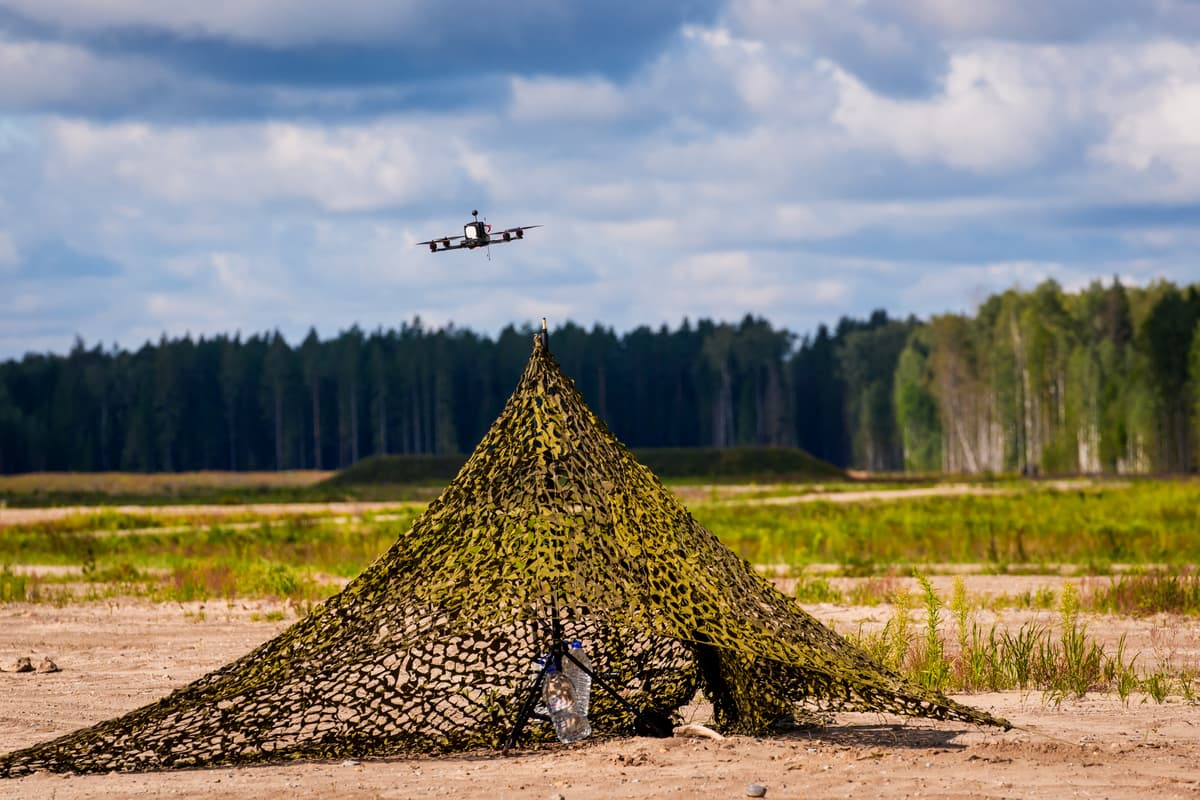
Latvia Sends Mobile Intercept Units to Russian Border in Wake of Drone Incursions
Why It Matters
Deploying mobile interceptor teams gives Latvia an immediate counter‑UAS capability, reducing vulnerability to Russian drone incursions and strengthening NATO’s eastern flank. It also showcases the Baltic region’s growing indigenous defense industry and the need for interoperable C2 frameworks.
Key Takeaways
- •Latvia will field mobile interceptor teams with 4‑soldier 4x4 units
- •Teams use locally made drones from Origin Robotics and Eraser
- •Deployment aims for operational status by early June 2026
- •Latvia seeks Ukrainian expertise for tactics, not hardware
- •NATO needs low‑classification C2 for cross‑border drone defense
Pulse Analysis
The Baltic states have become a testing ground for low‑altitude drone threats, with at least two dozen incidents recorded across Latvia, Lithuania and Estonia since early 2025. Latvia’s decision to field mobile interceptor teams reflects a pragmatic response to a security gap that traditional air‑defense systems cannot fill. By leveraging home‑grown drones from Origin Robotics and Eraser, the country not only accelerates deployment but also bolsters its domestic defense sector, positioning itself as a niche supplier within NATO’s broader counter‑UAS ecosystem.
Technical challenges extend beyond hardware. Latvian officials highlighted the difficulty of integrating sensor data into a classified command‑and‑control (C2) environment, a hurdle that hampers rapid decision‑making at the tactical edge. The push for low‑classification C2 and cross‑border interoperability signals a shift toward more agile, network‑centric solutions across NATO allies. Meanwhile, the planned transition to automated launch‑box systems promises to reduce the manpower burden, a critical factor given the 400‑kilometer length of Latvia’s border with Russia and Belarus.
Looking ahead, Latvia’s collaboration with Ukrainian experts underscores a broader trend of knowledge‑sharing among frontline nations. The country’s fast‑track procurement authority and the NATO‑hosted C‑UAS range at Sēlija provide a unique testing environment that could accelerate innovation for the alliance. As European militaries grapple with bureaucratic and geographic constraints, Latvia’s model of rapid, locally sourced deployment combined with multinational expertise may become a blueprint for securing vulnerable airspaces across the continent.
Latvia sends mobile intercept units to Russian border in wake of drone incursions
Comments
Want to join the conversation?
Loading comments...