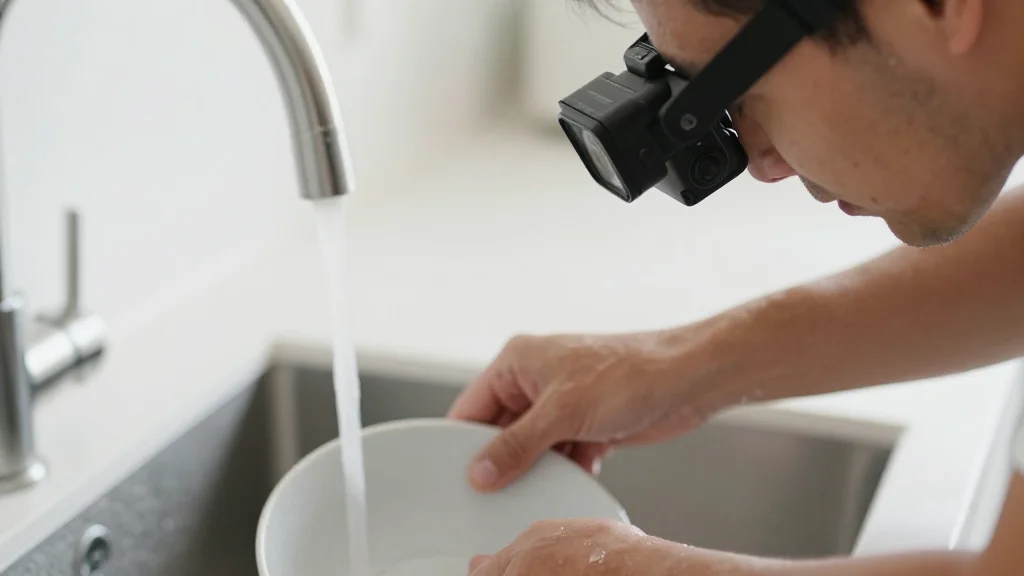
Micro1 Launches DIY Video Program to Train Home‑assistant Robots

Why It Matters
The initiative represents a shift from corporate‑only data collection toward a mass‑participation model that could democratize the training of autonomous systems. By leveraging everyday users, Micro1 aims to close the data gap that has slowed progress on general‑purpose home robots, potentially unlocking new consumer markets for personal assistants, elder‑care aides and domestic logistics. If the approach proves effective, it could set a precedent for other autonomy domains—such as autonomous driving or warehouse automation—where egocentric video is scarce. The ability to rapidly amass high‑quality, annotated footage may become a competitive moat for firms that can mobilize a global workforce of data contributors.
Key Takeaways
- •Micro1 has recruited ~4,000 remote videographers in 71 countries.
- •Participants submit >160,000 hours of first‑person chore footage each month.
- •Company estimates billions of hours of data are needed for truly general‑purpose home robots.
- •Data‑annotation market projected to hit $10 billion by 2030, growing ~30% annually.
- •Only about 50% of collected clips meet Micro1’s quality standards, according to Objectways founder.
Pulse Analysis
Micro1’s DIY data‑collection strategy is a pragmatic response to the classic "data bottleneck" that has hampered autonomous robotics for years. Traditional robot developers have relied on expensive, purpose‑built sensor rigs and limited lab environments, which produce clean but narrow datasets. By crowdsourcing egocentric video, Micro1 not only expands the volume of data but also injects the variability of real homes—different lighting, clutter, and human behaviors—that is essential for robust perception.
The model also mirrors the trajectory of large‑scale language‑model training, where open‑source data and community contributions accelerated progress. However, robotics data is intrinsically more complex; it requires precise spatial labeling and synchronization with depth sensors, making quality control a costly endeavor. Rajalingam’s observation that only half the footage is usable underscores the trade‑off between scale and signal‑to‑noise ratio. Companies that can automate annotation pipelines or incentivize higher‑quality submissions will likely capture the most value.
Looking ahead, the partnership pilots slated for late 2026 will be a litmus test. If robot manufacturers can demonstrate measurable performance gains—faster object recognition, smoother navigation—in exchange for Micro1’s curated video, the approach could become a standard supply chain for autonomy. Conversely, privacy concerns and the sustainability of gig‑economy labor could stall adoption. Either way, the initiative marks a notable experiment in turning mundane household chores into the raw material for the next generation of personal robots.
Micro1 launches DIY video program to train home‑assistant robots
Comments
Want to join the conversation?
Loading comments...