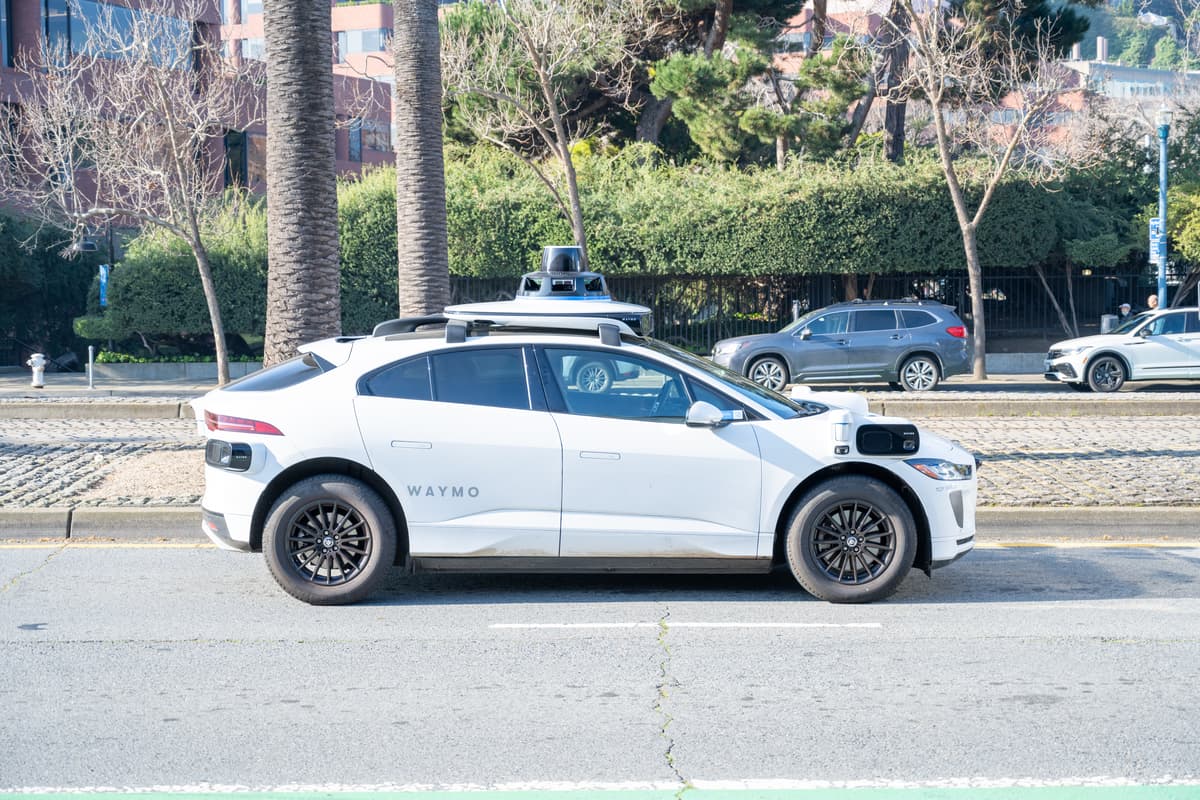
New Waymo Robotaxi Now Running Fully Autonomously on U.S. Roads
•February 20, 2026
0
Companies Mentioned


Why It Matters
Fully driverless operation proves Waymo can scale robotaxi services cost‑effectively, accelerating commercial autonomous mobility adoption.
Key Takeaways
- •Waymo's 6th-gen driver operates without safety drivers
- •Ojai robotaxi built on Geely's Zeekr Mix platform
- •Sensor suite cut to 13 cameras, 4 lidars, 6 radars
- •Production target: tens of thousands vehicles yearly
- •Supports extreme weather and multiple vehicle models
Pulse Analysis
Waymo’s shift to a fully autonomous fleet marks a watershed moment for the broader self‑driving industry. While competitors such as Cruise and Tesla continue to test safety‑driver‑assisted models, Waymo’s sixth‑generation driver eliminates the human backup, signaling confidence in its perception and decision‑making algorithms. This leap not only validates years of simulation and closed‑course testing but also raises the bar for regulatory bodies evaluating large‑scale driverless deployments across diverse U.S. jurisdictions.
The technical overhaul centers on a streamlined sensor suite—13 cameras, four lidars, and six radars—down from the previous generation’s heavier array. By reducing hardware complexity, Waymo cuts both unit cost and integration time, making the platform adaptable to multiple vehicle architectures, from Geely’s Zeekr Mix‑based Ojai to Hyundai’s Ioniq 5. The new driver also boasts enhanced weather resilience, a critical advantage in regions where rain, snow, or fog have historically hampered autonomous performance. These engineering choices reflect a strategic move toward a modular, platform‑agnostic system that can be mass‑produced without sacrificing safety.
From a business perspective, Waymo’s plan to manufacture tens of thousands of robotaxis annually positions it to dominate the emerging mobility‑as‑a‑service market. Scaling production lowers per‑ride costs, potentially making autonomous rides competitive with traditional ride‑hailing. As the service expands beyond employee‑only trips, Waymo could capture a sizable share of urban commuter traffic, influencing city planning, insurance models, and the future labor landscape for drivers. The rollout will also provide valuable real‑world data, further refining the technology and reinforcing Waymo’s leadership in autonomous transportation.
New Waymo robotaxi now running fully autonomously on U.S. roads
0
Comments
Want to join the conversation?
Loading comments...