Nissan Sets AI-Defined Vehicle Roadmap, Targets 90% Lineup by 2027

Companies Mentioned
Why It Matters
Embedding AI across 90 percent of Nissan's lineup could reshape consumer expectations for safety and autonomy, compelling rivals to accelerate their own AI roadmaps. The partnership with Wayve also highlights a growing trend of traditional OEMs teaming with specialist software firms to overcome the complexity of autonomous driving. If Nissan successfully demonstrates reliable, end‑to‑end autonomy in a mass‑market vehicle like the Elgrand, it may unlock new revenue streams from robotaxi services and advanced driver‑assist subscriptions, influencing the financial outlook of the broader automotive sector.
Key Takeaways
- •Nissan targets AI-driven features in 90% of its future vehicles.
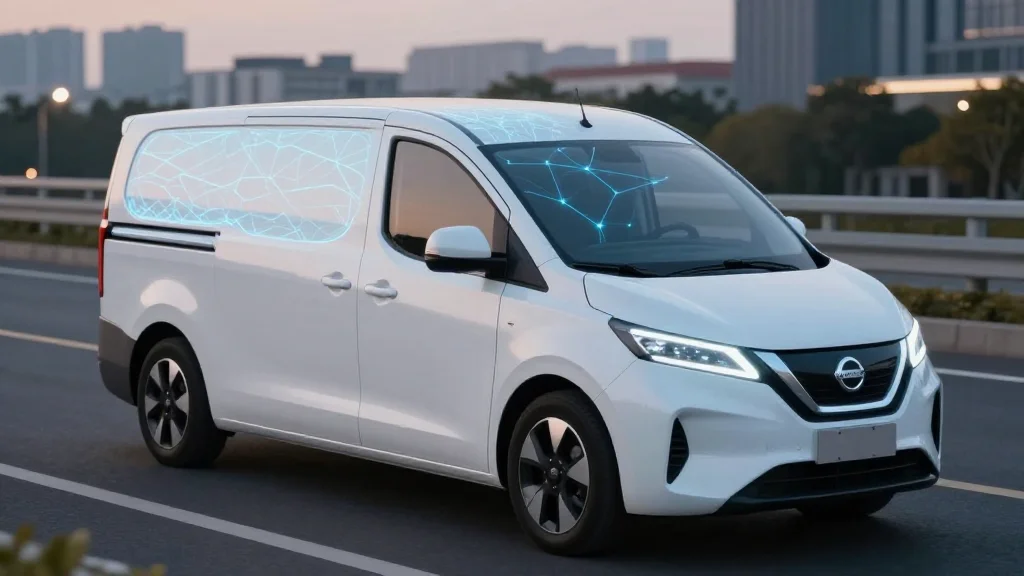
- •Wayve partnership will deliver an autonomous Elgrand van by FY2027.
- •Monolith technology shortens development time, first used on the new Leaf.
- •CEO Ivan Espinosa emphasizes customer experience as the guiding priority.
- •Analysts warn Nissan must regain leadership in driver‑assist tech to stay competitive.
Pulse Analysis
Nissan's AI‑first strategy marks a decisive effort to reassert its technological relevance after a period of financial strain and market share erosion. By committing to AI integration across the majority of its portfolio, the company is betting that software-defined value will become as critical as battery efficiency in the next decade. The Elgrand pilot, leveraging Wayve's autonomous stack, serves as a low‑risk entry point to validate the technology in a market where regulatory hurdles are less stringent than in the U.S. or Europe.
Historically, Nissan pioneered early driver‑assist features but fell behind as competitors accelerated their AI pipelines. The current plan attempts to close that gap by combining in‑house platforms with external expertise, a model that mirrors successful moves by rivals such as Toyota and Volkswagen. However, the success of this approach hinges on two variables: regulatory approval for higher levels of autonomy and consumer willingness to adopt advanced driver‑assist systems. Should either factor lag, Nissan may face a prolonged rollout, eroding the anticipated competitive advantage.
In the broader context, Nissan's announcement could trigger a wave of AI‑focused investments across the industry, especially among Japanese manufacturers seeking to counter Chinese entrants that are rapidly scaling autonomous capabilities. Investors will likely watch Nissan's quarterly reports for early indicators of AI‑related cost savings and revenue from software services, making the Elgrand's market performance a bellwether for the strategy's viability.
Nissan Sets AI-Defined Vehicle Roadmap, Targets 90% Lineup by 2027
Comments
Want to join the conversation?
Loading comments...