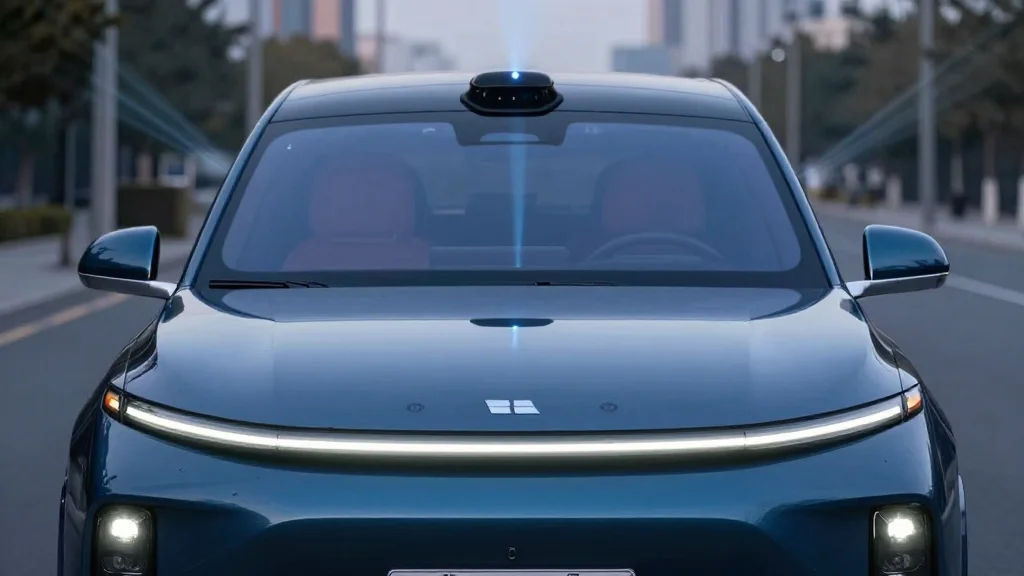
Nissan Unveils AI‑Powered ProPilot System with Wayve, 11‑Cam, 5‑Radar, 1‑Lidar Suite

Companies Mentioned
Why It Matters
Nissan’s AI‑first ProPilot could reshape the competitive dynamics of autonomous driving by proving that a sensor‑rich, map‑light approach remains viable against the industry’s growing tilt toward camera‑only stacks. If the system scales, it may influence regulators to favor solutions that demonstrate redundancy through radar and lidar, potentially slowing the adoption of minimalist designs. The partnership with Wayve also highlights a broader shift: traditional OEMs are increasingly partnering with specialist AI firms to bridge the talent gap in deep‑learning development. This model could accelerate innovation cycles and reduce the capital burden of building in‑house AI teams, reshaping how autonomy technology is sourced and commercialized.
Key Takeaways
- •Nissan’s new ProPilot uses Wayve’s end‑to‑end AI driver, eliminating rule‑based code.
- •Prototype Ariya EV carries 11 cameras, 5 radars and 1 lidar for sensor redundancy.
- •System operates without high‑definition maps, relying on real‑time perception.
- •Demo in Tokyo showed hands‑free navigation, but Japanese law still mandates a driver.
- •Production rollout targeted for 2027, pending regulatory approval.
Pulse Analysis
Nissan’s decision to embed a full AI stack from Wayve reflects a pragmatic response to the limitations of purely vision‑based autonomy. While Tesla’s camera‑only philosophy reduces hardware costs, it places a heavier burden on neural‑network robustness, especially in low‑light or adverse weather conditions. Nissan’s sensor suite, by contrast, offers physical redundancy that can mitigate such risks, a factor that may appeal to regulators in densely populated markets like Japan and Europe.
Historically, legacy automakers have struggled to keep pace with Silicon Valley startups in AI talent acquisition. By outsourcing core perception and decision‑making to Wayve, Nissan sidesteps a costly hiring race and gains immediate access to a proven research pipeline. This collaboration could set a precedent for other OEMs, accelerating a hybrid model where vehicle manufacturers focus on integration and safety while specialist firms supply the AI core.
Looking ahead, the key challenge will be scaling the prototype to mass production without inflating vehicle cost. If Nissan can achieve a price‑point comparable to its current Ariya lineup, the AI‑enhanced ProPilot could become a differentiator in the premium EV segment, compelling rivals to revisit their sensor strategies. The upcoming driver‑less trial will be a litmus test for both technology readiness and regulatory flexibility, with implications that could reverberate across the global autonomous‑vehicle market.
Nissan Unveils AI‑Powered ProPilot System with Wayve, 11‑Cam, 5‑Radar, 1‑Lidar Suite
Comments
Want to join the conversation?
Loading comments...