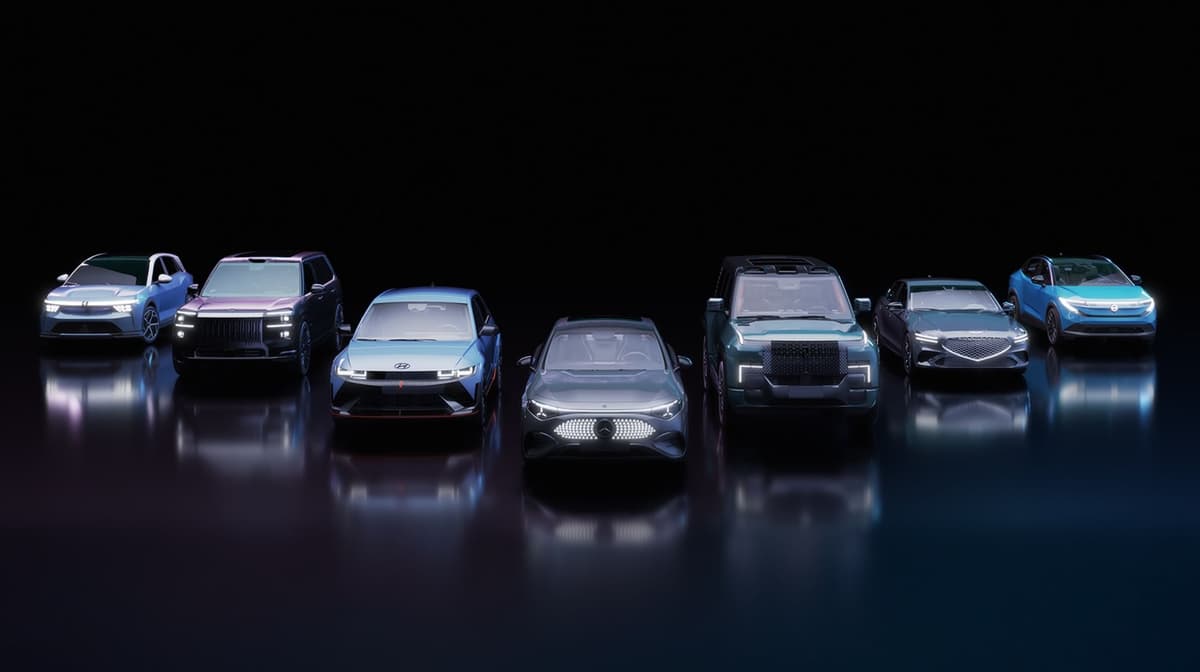
Nvidia Expands Drive Hyperion Level 4-Ready AV Ecosystem
Why It Matters
Nvidia’s unified, safety‑certified hardware‑software stack reduces integration complexity and shortens time‑to‑market, enabling automakers and ride‑hailing firms to launch revenue‑generating Level 4 fleets at scale.
Key Takeaways
- •Nvidia Drive Hyperion offers Level 4-ready compute, sensors, safety OS.
- •Foxconn targets 2028 robotaxi launch in Kaohsiung, Taiwan.
- •VinFast and Autobrains aim for Southeast Asian Level 4 fleets.
- •Uber partners with Autobrains for Munich robotaxi program.
- •Humain expands Hyperion robotaxis to Middle East markets.
Pulse Analysis
Nvidia’s Drive Hyperion platform is positioned as the industry’s first end‑to‑end, safety‑certified solution for Level 4 autonomous vehicles. By bundling the powerful Drive AGX compute, the Halos safety operating system and a compatible sensor suite, the stack removes the fragmented integration work that has slowed many robotaxi pilots. This unified architecture not only meets rigorous safety standards but also offers a scalable foundation that can be replicated across vehicle models and geographic markets, accelerating the transition from experimental fleets to everyday transportation.
The recent partnership wave underscores how automakers and mobility providers are leveraging Hyperion to fast‑track deployments. Foxconn’s plan to launch a Kaohsiung robotaxi service by 2028 demonstrates a concrete timeline for mass adoption in Asia, while VinFast’s collaboration with Autobrains targets the complex traffic environments of Southeast Asia. In Europe, Uber’s Munich pilot combines Autobrains’ agentic AI with Nvidia’s compute to test city‑wide operations, and Humain’s Middle East initiative expands the ecosystem into a region eager for advanced mobility solutions. Each alliance showcases a regional playbook that adapts the core platform to local regulatory, infrastructure and consumer demands.
The broader market impact could be profound. A standardized Level 4 stack lowers development costs, shortens time‑to‑revenue and invites new entrants to the autonomous mobility arena. As robotaxi fleets scale, ancillary industries—from high‑performance sensor manufacturers to data‑center providers—stand to benefit. Moreover, Nvidia’s dominance in AI hardware gives it leverage to shape industry standards, potentially influencing future regulations and safety certifications. The convergence of technology, partnerships and clear deployment roadmaps suggests that autonomous ride‑hailing may move from niche pilots to a mainstream urban service within the next few years.
Nvidia expands Drive Hyperion Level 4-ready AV ecosystem
Comments
Want to join the conversation?
Loading comments...