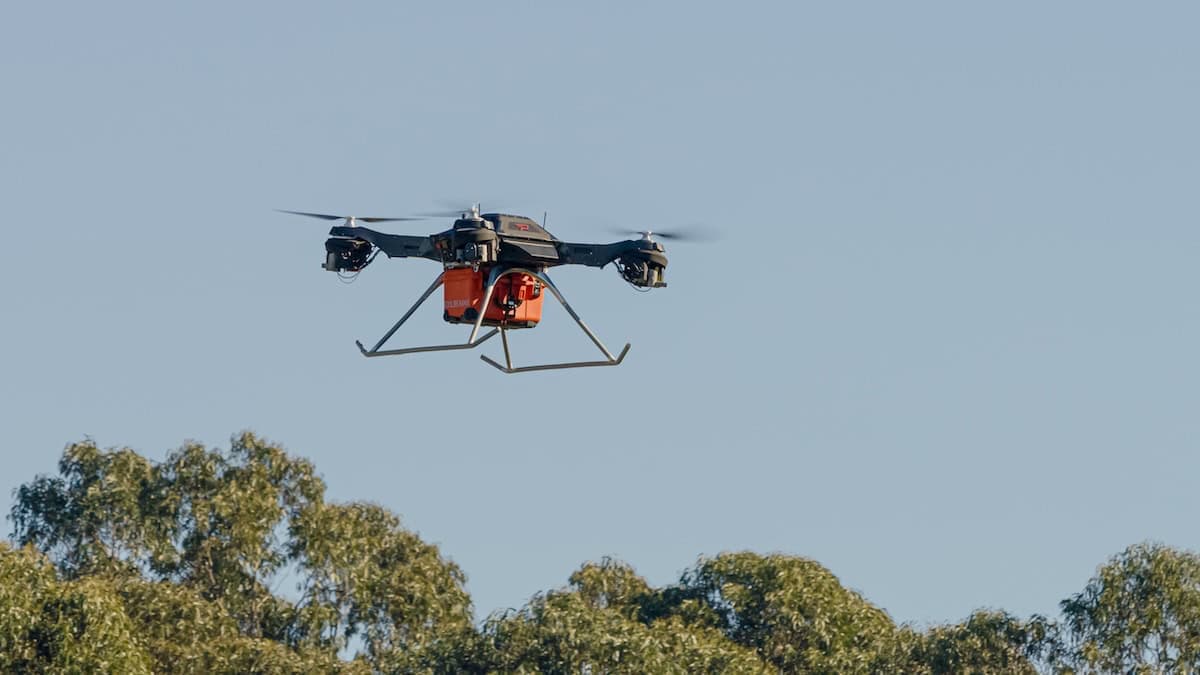
Parallel Flight Receives FAA 44807 Exemption for Hybrid UAS
•March 3, 2026
0
Why It Matters
The exemption validates Firefly’s safety architecture and unlocks a new commercial market for hybrid heavy‑lift drones, accelerating industrial and defense adoption in the U.S.
Key Takeaways
- •FAA 44807 exemption permits U.S. commercial flights
- •Firefly carries 100 lb payload, ten‑times endurance
- •Provides 2 kW continuous power to onboard sensors
- •NDAA‑compliant, U.S.-manufactured, suited for defense contracts
- •First shipments expected summer, scaling production underway
Pulse Analysis
The FAA’s 44807 exemption marks a pivotal regulatory shift for unmanned aircraft, moving hybrid platforms from experimental status to fully authorized commercial operations. By meeting the stringent safety and reliability criteria outlined in 49 U.S.C. §44807, Parallel Flight demonstrates that its fire‑resistant design and redundant propulsion meet federal standards, paving the way for broader acceptance of heavy‑lift UAS in regulated airspace. This clearance not only reduces bureaucratic barriers but also signals to investors and customers that hybrid drones can safely share the sky with manned aircraft.
At the heart of the Firefly’s appeal is its patented Parallel Hybrid Electric Multirotor (PHEM) system, which blends electric motors with a compact combustion generator. This architecture delivers up to 100 lb (45 kg) of payload while extending flight endurance up to tenfold compared with all‑electric counterparts, and it supplies 2 kW of continuous power for demanding payloads such as LiDAR, communications relays, or fire‑suppression equipment. The hybrid design also mitigates the weight‑penalty of large batteries, enabling rapid deployment from a pickup‑truck‑sized case and simplifying logistics for remote or expeditionary missions.
The commercial implications are substantial. With endorsements from NASA, USDA, NSF, and the DoD’s DIU, Firefly is positioned to serve a spectrum of high‑value markets, from wildfire monitoring to last‑mile cargo delivery and defense reconnaissance. Its NDAA‑compliant, U.S.-manufactured status satisfies security requirements for federal contracts, giving Parallel Flight a competitive edge over foreign‑origin drones. As the company ramps up production for summer deliveries, the exemption is likely to accelerate adoption across industrial sectors, stimulate further hybrid‑UAS innovation, and reshape the economics of heavy‑lift aerial services.
Parallel Flight Receives FAA 44807 Exemption for Hybrid UAS
0
Comments
Want to join the conversation?
Loading comments...