Proposed Chinese Robot Ban Is Latest U.S. Tech Sovereignty Move
Companies Mentioned
Why It Matters
Limiting Chinese ground robots tightens U.S. national‑security controls while reshaping the domestic robotics market, forcing firms to rethink supply chains and potentially spurring home‑grown production.
Key Takeaways
- •American robotics firms could capture U.S. government robot contracts
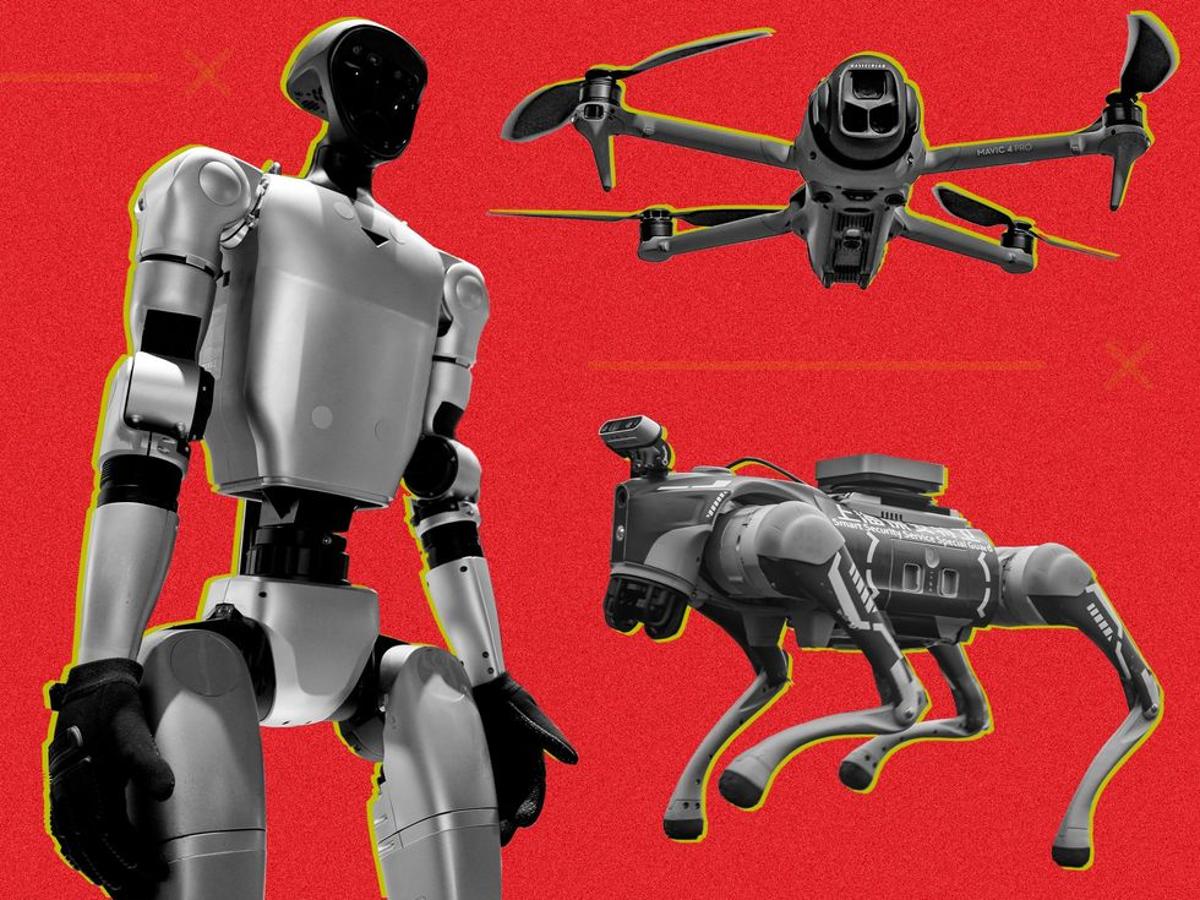
- •Ban targets Chinese ground robots: humanoids, dog‑type, crawlers
- •Policy adds to broader U.S. tech decoupling from China
- •Supply‑chain shifts may push U.S. firms toward Korean/Japanese components
Pulse Analysis
The American Security Robotics Act marks the latest legislative effort to curb Chinese influence in emerging technologies. By specifically targeting ground‑based robots—humanoids, quadruped "dog" units and crawler platforms—the bill extends the security rationale that has already driven bans on foreign routers, drones and telecom gear. Lawmakers argue that Chinese hardware poses a covert risk to critical infrastructure, and the bipartisan nature of the proposal signals a durable shift toward tighter export controls and import restrictions across the technology spectrum.
For U.S. robotics manufacturers, the bill presents both opportunity and dilemma. Companies such as Ghost Robotics, already positioned to supply the Department of Defense, stand to win new contracts as Chinese competitors are sidelined. Yet the industry’s supply chain remains heavily dependent on components sourced from China’s allies—South Korea, Japan and Taiwan—making a clean break difficult. If future regulations extend to lower‑tier parts, firms could face shortages or higher costs, prompting a strategic pivot toward diversified sourcing or accelerated domestic production of key subsystems.
The policy rollout also underscores a broader strategic gap: the United States lacks a unified roadmap for its techno‑economic rivalry with China. Rapid, often unilateral actions—like the FCC’s three‑week exemption for Netgear and Adtran routers—create uncertainty for manufacturers trying to navigate compliance. Experts warn that without a coordinated, long‑term plan, piecemeal bans may disrupt markets without delivering the intended security gains, while also giving allies an opening to fill the vacuum left by Chinese firms. The coming months will reveal whether the robotics ban becomes a catalyst for a resilient domestic supply chain or a source of further industrial friction.
Proposed Chinese Robot Ban Is Latest U.S. Tech Sovereignty Move
Comments
Want to join the conversation?
Loading comments...