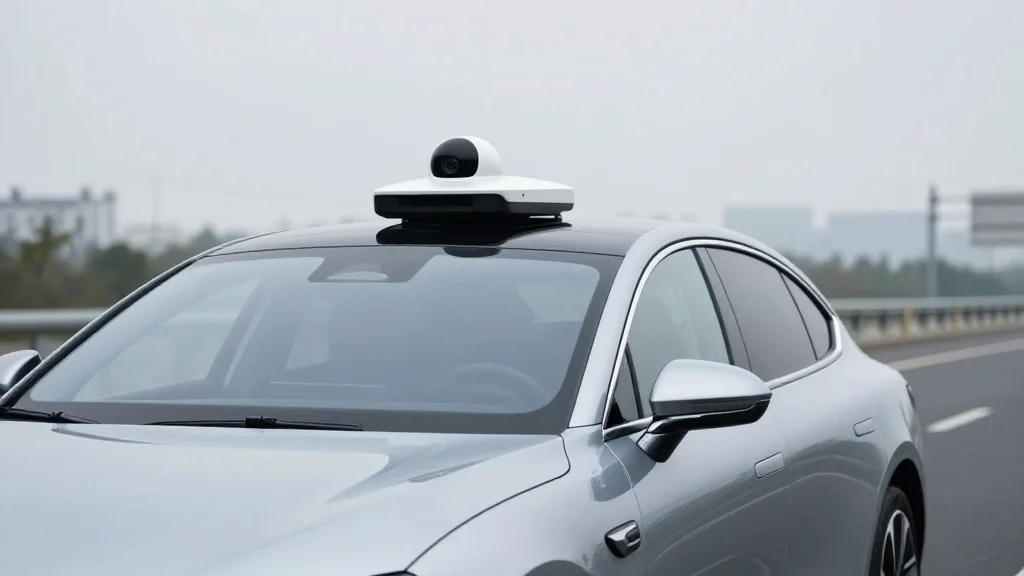
Ride AI Conference Signals Robotaxi Market Maturity as Industry Shifts to Commercialization

Companies Mentioned

Why It Matters
The shift from hype to commercialization signals that autonomous vehicle firms are confronting the hard economics of scaling, a turning point that could determine the sector’s long‑term viability. By attracting banks and consulting giants, the conference highlighted that capital markets now demand clear pathways to revenue, not just prototype demonstrations. If robotaxi services can achieve economies of scale, they could reshape urban mobility, reduce congestion and lower transportation costs for consumers. Conversely, failure to monetize could stall investment, leading to another wave of consolidations similar to the recent exits of Cruise, Argo AI and Apple’s self‑driving program.
Key Takeaways
- •Ride AI’s second conference drew >300 attendees and centered on market‑ready robotaxi strategies.
- •Sophia Tung noted a heavy presence of investors and consultants seeking investment opportunities.
- •Mobileye’s Chris Lichtmannecker said the industry is now focused on viable business cases, not just technology.
- •Toyota’s Ro Gupta emphasized that real‑world robotaxi experiences are finally available in select U.S. cities.
- •Wayve’s Kaity Fischer highlighted a surge in partnership announcements, indicating a move toward shared‑ecosystem models.
Pulse Analysis
The Ride AI summit serves as a barometer for the autonomous‑vehicle sector’s maturity. Over the past two years, safety incidents and missed timelines have forced companies to recalibrate expectations. The current narrative—shifting from “robots are just around the corner” to “how do we scale profitably”—mirrors the evolution seen in other capital‑intensive tech domains such as electric‑vehicle manufacturing and satellite broadband. Investors now demand unit economics, and the influx of banks and consultancies at the conference suggests that financing structures, regulatory compliance and fleet management will dominate boardroom discussions.
Historically, the robotaxi market suffered from a fragmented approach where firms attempted to own the entire stack—from sensors to ride‑hailing platforms—driving up capital burn. The emerging partnership model, exemplified by Wayve’s recent alliances with major ride‑hailing firms, reduces upfront costs and leverages existing distribution networks. This mirrors the airline industry’s shift to code‑share agreements and could accelerate market penetration if the technology reliability gap continues to narrow.
Looking ahead, the decisive factor will be the ability to generate consistent, per‑ride margins. Early adopters like Waymo have demonstrated that high‑density urban corridors can support profitable operations, but replication in less dense markets remains uncertain. The next Ride AI conference will likely reveal whether the sector can deliver the first publicly disclosed profit figures, a milestone that could unlock a new wave of institutional capital and cement autonomous robotaxis as a mainstream transportation option.
Ride AI Conference Signals Robotaxi Market Maturity as Industry Shifts to Commercialization
Comments
Want to join the conversation?
Loading comments...