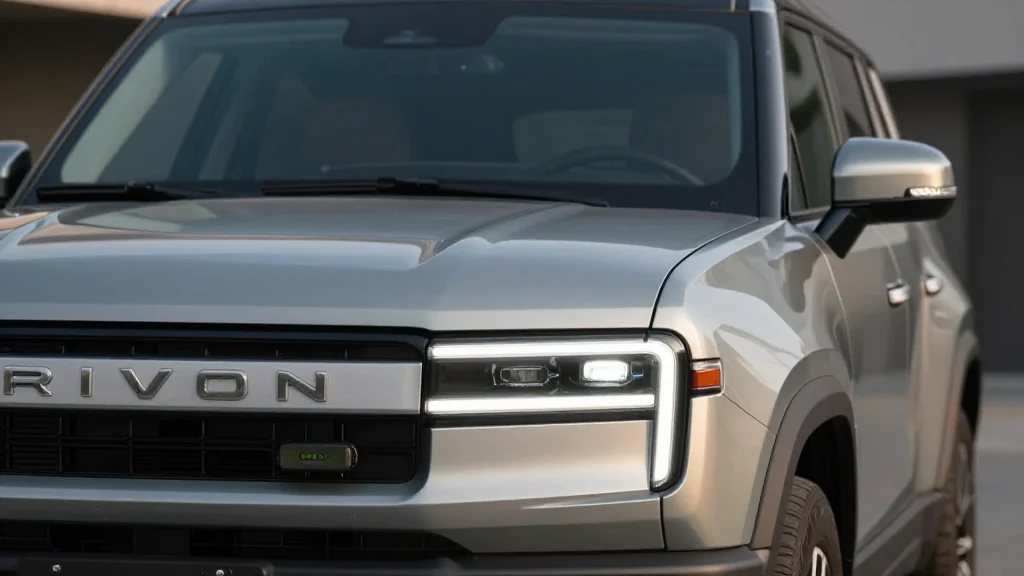
Rivian CEO Targets Level‑4 Autonomy in 18 Months as Tesla Engineers Express Doubt

Companies Mentioned
Why It Matters
The race to Level‑4 autonomy is a defining battle for the next generation of mobility. Rivian’s claim of eyes‑off driving within 18 months signals that new entrants can challenge Tesla’s long‑standing dominance in autonomous software. If Rivian succeeds, it could accelerate the commercial robotaxi market, attract additional fleet partners, and pressure legacy automakers to fast‑track their own autonomous programs. Conversely, the internal skepticism at Tesla highlights the technical and safety hurdles that still impede full autonomy. Persistent doubts among engineers could slow regulatory approvals, invite further litigation, and erode consumer confidence. The divergent trajectories of Rivian and Tesla will shape investor sentiment, partnership strategies, and the regulatory landscape for autonomous vehicles over the next five years.
Key Takeaways
- •Rivian CEO RJ Scaringe says Level‑3 eyes‑off driving will be available within 18 months; Level‑4 by 2030.
- •Tesla’s Full Self‑Driving technology faces internal distrust, with former staff refusing to ride in a Tesla robotaxi.
- •Rivian’s R2 SUV will underpin a planned Uber robotaxi fleet of up to 50,000 units through 2031.
- •Rivian secured a $4.5 billion DOE loan and expects Georgia plant capacity of 300,000 units per year.
- •Tesla’s safety claims of being “10 × safer than a human driver” are being questioned by former engineers.
Pulse Analysis
Rivian’s autonomy narrative is anchored in a tangible product rollout, not just speculative software upgrades. By tying the R2 to Uber’s sizable robotaxi order, the company creates a revenue engine that can fund the costly validation required for Level‑4 certification. This contrasts sharply with Tesla’s approach, which relies heavily on over‑the‑air software updates and a consumer‑facing beta program. The Reuters findings suggest that Tesla’s internal culture may be underestimating the engineering effort needed to achieve true Level‑4 safety, a miscalculation that could invite regulatory pushback.
Historically, autonomous‑driving leaders have been those who combine robust hardware, extensive real‑world data, and clear regulatory pathways. Waymo’s early dominance stemmed from its lidar‑centric sensor suite and city‑wide permits, while Cruise leveraged GM’s manufacturing scale. Rivian’s strategy of leveraging a mass‑market EV platform, coupled with a high‑profile partnership with Uber, mirrors this playbook. If Rivian can deliver eyes‑off driving on schedule, it will not only validate its sensor and software stack but also demonstrate that a newer entrant can meet the stringent safety standards that have eluded Tesla’s FSD.
Looking ahead, the market will likely bifurcate: firms that achieve Level‑4 in controlled geofenced zones will dominate fleet services, while consumer‑focused brands may linger at Level‑3 for several more years. Tesla’s brand cachet may keep it afloat, but without internal confidence, its path to Level‑4 could be delayed, opening space for Rivian, Waymo, and emerging Chinese players like WeRide, which reported a 66% jump in robotaxi revenue to RMB 51 million (≈$7.1 million) in Q4 2025. The coming 12‑month window will be a litmus test for whether Rivian’s aggressive timeline can translate into a competitive advantage or if Tesla’s incremental improvements will eventually close the gap.
Rivian CEO Targets Level‑4 Autonomy in 18 Months as Tesla Engineers Express Doubt
Comments
Want to join the conversation?
Loading comments...