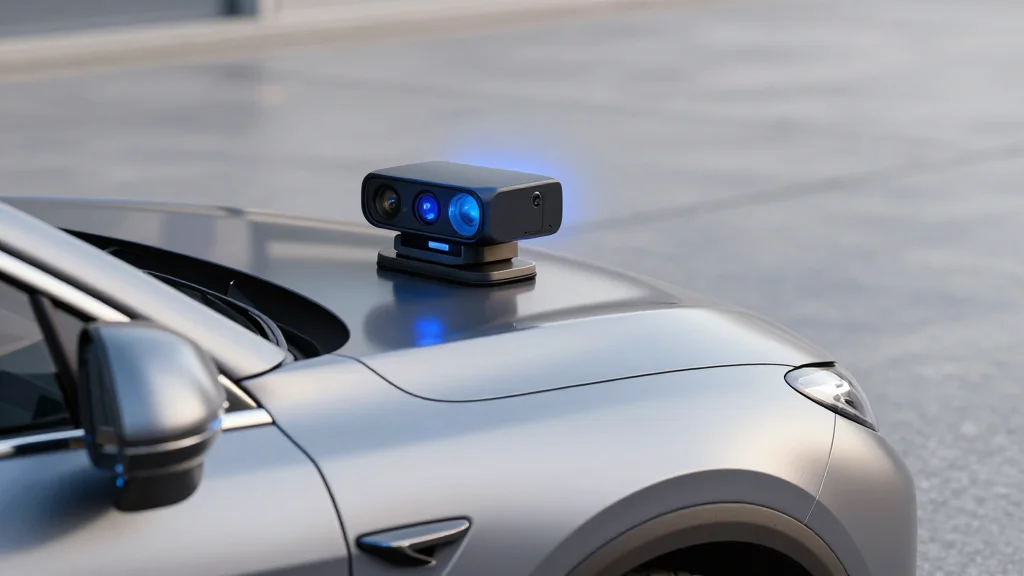
Rivian May Build Its Own Lidar Sensor For The R2 In The U.S.
Why It Matters
Domestic lidar production could reduce supply‑chain risk and give Rivian a competitive edge in the race for true autonomous driving, while signaling deeper U.S.–China tech collaboration.
Key Takeaways
- •Rivian may produce lidar domestically for R2 by late 2026
- •Potential joint venture with Chinese solid‑state lidar firms
- •First mass‑market US EV with home‑grown lidar
- •Early R2 models lack lidar and cannot be retrofitted
Pulse Analysis
Lidar technology has become a cornerstone of advanced driver‑assistance systems, offering high‑resolution 3‑D mapping that cameras and radar alone cannot achieve. Rivian’s decision to develop its own lidar aligns with a broader industry shift toward vertically integrated sensor stacks, as automakers seek tighter control over performance, cost, and data security. By targeting solid‑state lidar—a lighter, more reliable alternative to rotating units—the company positions the R2 to support Level 3 or higher autonomy, a capability that could differentiate it from rivals still relying on third‑party suppliers.
Manufacturing lidar in the United States also addresses a critical supply‑chain vulnerability exposed by recent geopolitical tensions. Rivian’s talks with Chinese solid‑state lidar firms suggest a hybrid approach: leveraging cutting‑edge Chinese optics while establishing a U.S. production footprint, possibly through a joint venture. This strategy could lower component costs, shorten lead times, and qualify the R2 for federal incentives tied to domestic content. Moreover, a home‑grown lidar line would protect proprietary sensor data, an increasingly valuable asset as autonomous software becomes a primary revenue source.
The timing of the rollout—late 2026—places Rivian ahead of many legacy OEMs that are still piloting lidar on limited fleets. Early R2 buyers will receive a vehicle without lidar, and Rivian has confirmed those units cannot be retrofitted, underscoring the importance of the sensor for the brand’s long‑term autonomous vision. As competitors like GM and Tesla push their own eyes‑off solutions, Rivian’s commitment to in‑house lidar could attract tech‑savvy consumers and investors looking for a clear path to Level 3 autonomy, potentially accelerating market adoption of fully self‑driving electric SUVs.
Rivian May Build Its Own Lidar Sensor For The R2 In The U.S.
Comments
Want to join the conversation?
Loading comments...